Best Time to Visit Belize: Diving, Wildlife & Travel Guide
Find the perfect time to visit Belize for diving the Blue Hole, jungle adventures, Mayan ruins, and the best weather conditions.
Table of Contents
Belize packs a remarkable amount of diversity into the smallest country in Central America. With the second-largest barrier reef in the world just offshore, dense jungle interiors hiding ancient Mayan ruins, and a Caribbean coastline dotted with idyllic cayes, this English-speaking nation draws divers, adventure seekers, and nature lovers from around the globe. When you visit matters: the difference between dry season and wet season affects everything from diving visibility and wildlife sightings to hotel prices and road conditions in the jungle interior.
Belize sits along the Caribbean coast of Central America, between Mexico to the north and Guatemala to the west and south. Its subtropical climate is influenced by Caribbean trade winds, which moderate temperatures year-round. Average temperatures stay between 24 and 32 degrees Celsius throughout the year, with the coast and cayes slightly cooler thanks to sea breezes. The country experiences two distinct seasons, and each one brings its own advantages for travelers.
Dry Season: December Through May
The dry season is Belize's peak tourist period, and it is easy to understand why. From December through May, rainfall is minimal, skies are predominantly blue, and humidity drops to comfortable levels. This is the window when the country's full range of activities -- from snorkeling on the reef to trekking through the jungle -- is most reliably accessible.
December and January mark the beginning of the dry season and the arrival of the tourist high season. North American and European visitors escaping winter account for the bulk of arrivals. Temperatures are at their mildest, with daytime highs around 28 degrees and cooler evenings, particularly in the Mountain Pine Ridge area of the Cayo District. This is an ideal time for combining beach and jungle itineraries.
February and March bring the driest and most settled weather of the year. Rainfall is at its absolute minimum, the reef is at its clearest, and trails in national parks and reserves are firm and easy to navigate. These are the best months for photography, as the combination of clear skies and still-green vegetation produces striking images.
April and May see temperatures climbing toward their annual peak, with daytime highs reaching 33 to 35 degrees along the coast. Humidity begins to increase as the dry season transitions into the wet. However, May is notable for one specific event that draws visitors from around the world: the beginning of whale shark season at Gladden Spit, where these enormous fish gather to feed on spawning reef fish during the full moon.
Best for: Diving and snorkeling, Mayan ruins, jungle trekking, wildlife photography, and the widest range of activities.
Wet Season: June Through November
Belize's wet season runs from June through November, bringing higher humidity, afternoon thunderstorms, and significantly more rainfall. However, the wet season in Belize is not a monsoon. Rain typically falls in intense but brief afternoon showers, and mornings are often sunny and pleasant. Many experienced travelers consider the early wet season (June and July) an excellent time to visit, as prices drop while the weather remains largely cooperative.
June and July are transitional months. Rain showers become more frequent but are usually short-lived, and the hours of sunshine still outnumber the hours of rainfall. The sea is warm and calm, and the reef remains accessible. These months offer a significant price advantage over the peak season, with accommodations often discounted by 20 to 40 percent.
August brings the brief "mauger" season, a dry spell that interrupts the wet season for a few weeks, particularly along the coast and cayes. This secondary dry period is not as reliable as the main dry season, but it can provide surprisingly good weather for a summer visit.
September and October are the wettest months, and they coincide with the peak of hurricane season. Rainfall can be heavy and prolonged, some unpaved roads in the interior become challenging, and there is a genuine risk of tropical storms. Tourist numbers are at their lowest, and many smaller lodges and resorts take the opportunity to close for annual maintenance and renovation.
November is a transitional month as the rains begin to taper off. By late November, conditions are improving rapidly, and early-bird travelers can find good weather at still-discounted rates.
Best for: Budget travel, fewer crowds, lush jungle scenery, and the mauger season beach window in August.
Diving and Snorkeling Conditions
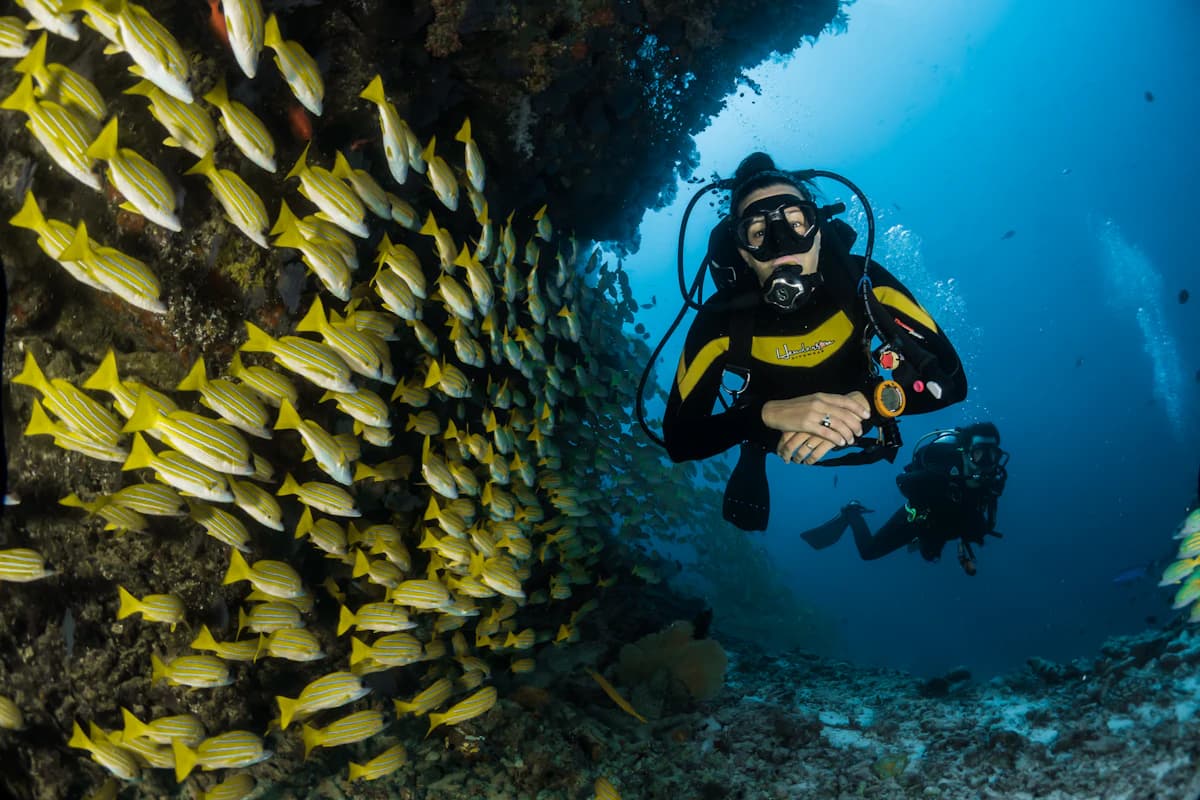
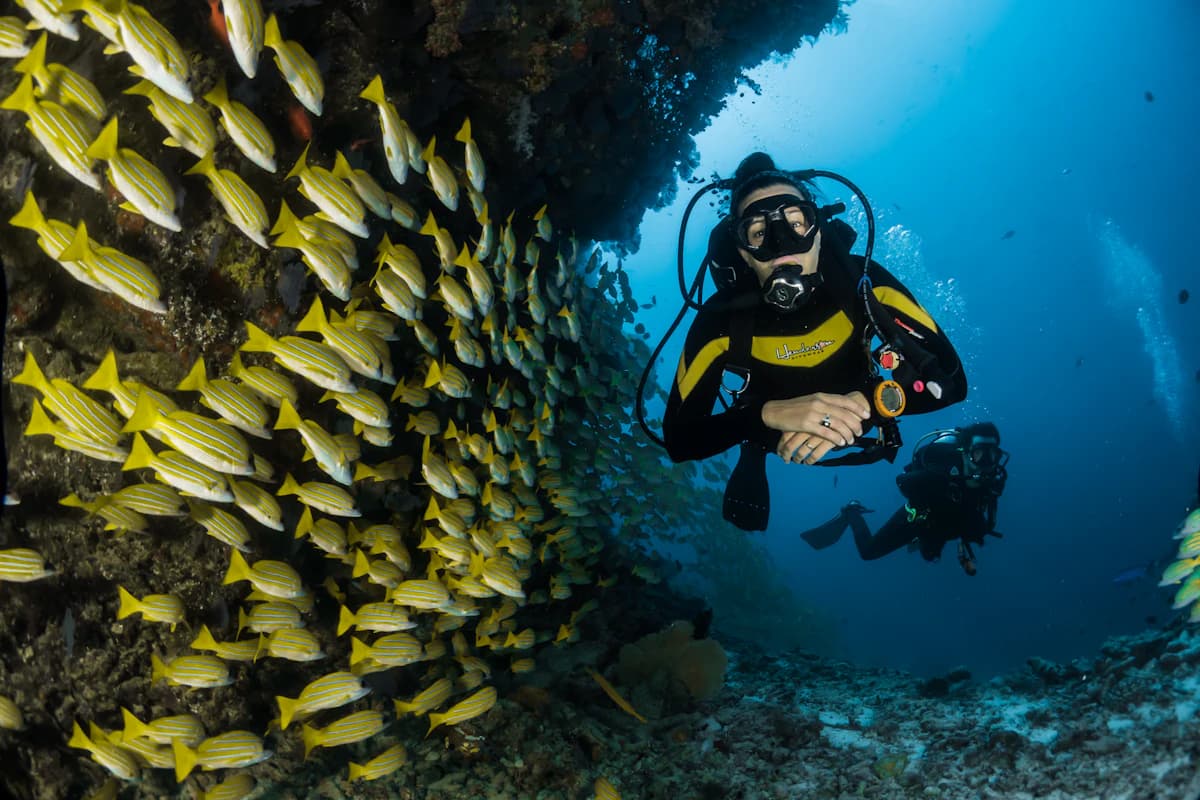
Belize's greatest natural asset is the Belize Barrier Reef, a UNESCO World Heritage Site that stretches 300 kilometers along the coast. The famous Great Blue Hole, a giant marine sinkhole 300 meters across and 125 meters deep, is the country's most iconic dive site, but the reef system offers hundreds of other world-class dive spots.
Best visibility: March through June, when rainfall is minimal and runoff from rivers is low. Visibility can exceed 30 meters at outer reef sites and atolls like Lighthouse Reef, Turneffe Atoll, and Glover's Reef.
Water temperature: Ranges from 25 degrees Celsius in January and February to 29 degrees in August and September. A 3mm wetsuit or shorty is sufficient for the cooler months; many divers go without a wetsuit from April through October.
Great Blue Hole: Diveable year-round, but the best conditions are from April through June when the water is warmest and calmest. The dive itself descends to around 40 meters and is best suited for advanced divers. Most operators run day trips from Ambergris Caye or Caye Caulker, departing very early in the morning for the two-hour boat ride.
Coral spawning: Occurs a few days after the full moon in August, attracting marine biologists and dive enthusiasts who want to witness this spectacular annual event. Night dives during coral spawning are offered by several operators.
Whale Shark Season: March Through June
One of Belize's most extraordinary wildlife experiences is swimming with whale sharks at Gladden Spit Marine Reserve, located about 36 kilometers off the coast of Placencia. These gentle giants, the largest fish in the ocean, gather here to feed on the eggs of spawning cubera snapper and dog snapper.
The season runs from March through June, with the peak activity occurring around the full moon in April and May. During these full moon windows, the snapper spawn in large aggregations, releasing clouds of eggs that attract whale sharks from the open ocean. Sightings are not guaranteed, but success rates during the full moon periods are high, often exceeding 80 percent.
Tour operators in Placencia run whale shark excursion trips during the season. These are snorkeling-only encounters (scuba diving with whale sharks is not permitted), and strict guidelines limit the number of swimmers in the water at any time to minimize disturbance to the animals.
Outside of Gladden Spit, whale sharks are occasionally spotted at other locations along the reef, particularly near the outer atolls. However, Gladden Spit remains the most reliable location in Belize for encounters.
Mayan Ruins: Best Time to Explore
Belize is home to numerous Mayan archaeological sites, from the towering temples of Caracol in the Chayo District to the ceremonial cave of Actun Tunichil Muknal (ATM Cave) and the coastal ruins of Lamanai. The best time to visit these sites depends on the specific location.
Caracol: Belize's largest Mayan site sits deep in the Chayo District jungle. The access road is unpaved and can become very difficult during the wet season. The best months to visit are January through April, when the road is in its best condition and the jungle trails around the ruins are dry. Guided tours from San Ignacio typically run year-round but may be canceled during heavy rain periods.
Xunantunich: Located near the Guatemalan border, this hilltop site is accessible by a hand-cranked ferry across the Mopan River. It is one of the easiest major ruins to reach in any season, though the dry season months provide more comfortable conditions for climbing the main pyramid, El Castillo, which offers panoramic views of the surrounding countryside.
ATM Cave (Actun Tunichil Muknal): This remarkable cave system requires swimming, wading, and scrambling through an underground river to reach a chamber filled with Mayan ceremonial artifacts, including crystallized human remains. The cave is accessible year-round, but water levels rise during the wet season, and the experience can be more physically demanding. The dry season (January through May) offers lower water levels and easier passage. The cave may close temporarily during periods of exceptionally heavy rainfall.
Lamanai: Accessible by a scenic river boat ride through the jungle, Lamanai is one of the longest continuously occupied Mayan sites. The boat journey is part of the experience and is particularly rewarding during the dry season, when wildlife (crocodiles, howler monkeys, and a wide variety of birds) is easier to spot along the riverbanks.
Caye Caulker vs. Ambergris Caye: Seasonal Considerations
Belize's two most popular island destinations have different characters, but their seasonal weather patterns are similar.
Ambergris Caye is the larger, more developed island, home to the town of San Pedro and a wide range of restaurants, bars, and dive shops. It is the most popular tourist destination in Belize and is busiest from December through April. During peak season, reservations at top restaurants and dive operators are essential. The shoulder months of May, June, and November offer lower prices and fewer crowds while maintaining good weather.
Caye Caulker is the smaller, more laid-back alternative, popular with backpackers and travelers seeking a quieter pace. Its motto, "Go Slow," captures the island's relaxed atmosphere. Caye Caulker is less affected by peak-season crowding than Ambergris Caye, but its limited accommodation still fills up during Christmas, New Year, and Easter. Budget travelers will find the best deals from June through November.
Both islands are exposed to northern fronts ("nortes") from November through February, which can bring cooler temperatures, overcast skies, and choppy seas for a few days at a time. These fronts rarely last more than three or four days, but they can affect dive conditions on the east side of the reef.
Water taxis run between Belize City and both islands throughout the year, with increased frequency during the high season. The journey takes about 45 minutes to Caye Caulker and 75 minutes to Ambergris Caye.
Jungle Activities and the Cayo District
The Cayo District in western Belize is the country's adventure capital, centered around the twin towns of San Ignacio and Santa Elena. Activities here include cave tubing on the Caves Branch River, zip-lining through the jungle canopy, horseback riding to remote waterfalls, and kayaking on the Macal and Mopan rivers.
The dry season (December through May) is the optimal period for most jungle activities. Trails are dry, river levels are manageable for cave tubing and kayaking, and the reduced foliage makes wildlife easier to spot. The Cayo District is also home to several excellent birding sites, including the Mountain Pine Ridge Forest Reserve, where over 300 species have been recorded.
During the wet season, rivers swell and some activities may be temporarily suspended. Cave tubing on the Caves Branch River, for example, may be closed if water levels are dangerously high. However, the wet season brings its own rewards: waterfalls like Big Rock Falls and Thousand Foot Falls are at their most dramatic, and the jungle is explosively green.
The Cayo District tends to be less affected by hurricanes than the coast, making it a relatively safer destination during September and October for travelers who still want to visit Belize during the wet season.
Lobster Season and Culinary Events
One of Belize's most anticipated annual events is the opening of lobster season on June 15. After months of closed season to allow the spiny lobster population to reproduce, restaurants, beach bars, and food stalls across the country celebrate with lobster-themed festivals.
Caye Caulker Lobster Fest (late June or early July): The biggest and most famous lobster celebration, featuring lobster prepared in every conceivable way -- grilled, curried, in ceviche, in burritos, and more. Live music, dancing, and a general atmosphere of celebration make this a highlight of the Belizean calendar.
San Pedro Lobster Fest (mid-June): Ambergris Caye holds its own lobster festival with a block party atmosphere, cook-off competitions, and plenty of cold Belikin beer.
Placencia Lobster Fest (late June): The mainland's premier lobster event, held in the charming seaside village of Placencia, with a more laid-back vibe than the island festivals.
Lobster season runs from June 15 through February 14. The freshest and most abundant lobster is available in the weeks immediately following the season opening.
Practical Tips for Planning Your Trip
- Book popular dive trips in advance during the dry season, especially for the Great Blue Hole and whale shark tours. These fill up quickly from February through May.
- Carry Belize dollars and US dollars. The Belize dollar is pegged to the US dollar at a 2:1 rate. Both currencies are accepted everywhere, but you will get better value paying in Belize dollars at local establishments.
- Rent a car only if exploring the mainland. The Northern and Western Highways are paved, but many secondary roads require a four-wheel-drive vehicle, especially during the wet season. On the cayes, golf carts are the primary mode of transportation.
- Apply insect repellent liberally in the jungle and coastal areas. Sand flies (sand gnats) are particularly bothersome on the cayes during calm, windless evenings.
- Bring a waterproof bag for electronics and valuables, regardless of the season. Sudden rain showers, boat spray, and water-based activities can catch you off guard.
- Respect marine park rules. The reef is protected, and touching coral, standing on reef structures, and using non-reef-safe sunscreen are prohibited. Fines are enforced.
Frequently Asked Questions
What is the cheapest time to visit Belize?
The wet season months of June through November offer the lowest prices across the board. Accommodation discounts of 20 to 40 percent are common, and some resorts offer package deals that include diving or tours. September and October are the cheapest months but carry the highest risk of weather disruptions. For a balance of value and weather, June, July, and late November are excellent choices.
When is the best time to dive the Blue Hole?
The best conditions for diving the Great Blue Hole are from April through June, when water temperatures are warm, visibility is excellent, and the seas are calm for the two-hour boat journey from the cayes. The dive is available year-round, but winter months (December through February) may see choppier conditions due to northern fronts. Advanced open water certification is required.
Is Belize safe for families?
Belize is widely regarded as a family-friendly destination in Central America. The country's small size makes it easy to combine beach, jungle, and cultural activities in a single trip. The cayes offer safe swimming and snorkeling in sheltered lagoon waters, and many resorts cater specifically to families with children. English is the official language, which eliminates language barriers for many visitors. The dry season (December through May) is the best time for family trips, as weather is most predictable.
Can I visit Belize during hurricane season?
Yes, though it requires careful planning. Belize's hurricane season runs from June through November, with the greatest risk in September and October. Historically, direct hits on Belize are relatively infrequent, but the country can be affected by storms passing through the western Caribbean. Travel insurance with hurricane coverage is essential during this period. The Cayo District in the interior is less exposed to hurricane impacts than the coast and cayes, making it a relatively safer option during peak hurricane months.
Conclusion
Belize delivers exceptional travel experiences throughout the year, but the ideal timing depends on your priorities. For the most reliable weather and the broadest range of activities, visit during the dry season from December through May, with February and March being the standout months. Divers should target March through June for the best visibility and whale shark encounters. Budget travelers and those who do not mind afternoon showers will find great value during the early wet season in June and July. Time your visit around Lobster Fest in late June for a uniquely Belizean culinary celebration, or around the April and May full moons for the best chance of swimming alongside whale sharks at Gladden Spit. However you time your trip, Belize's barrier reef, jungle-shrouded ruins, and welcoming culture will make it a destination you will want to return to.

About the Author
Hotels CA TeamEditorial Research Team
Hotels CA Team is the editorial desk behind these Central America hotel and travel guides. We research public property information, official sources, and traveler feedback. A hotel page is not a personal visit unless the article says so.