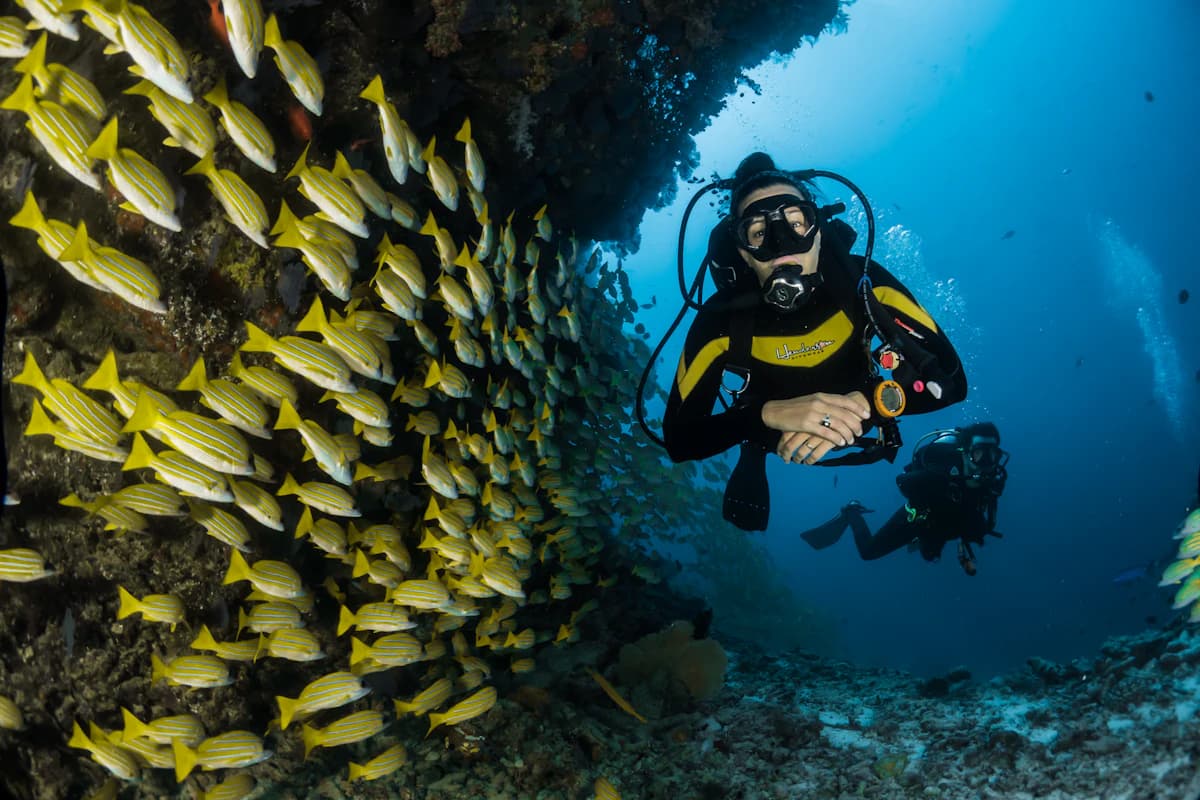
Best Dive Hotels in Belize: Where to Stay for World-Class Underwater Adventures
Discover the best dive hotels in Belize for snorkeling and scuba diving the Barrier Reef, Blue Hole, and pristine atolls. Expert picks with insider tips.
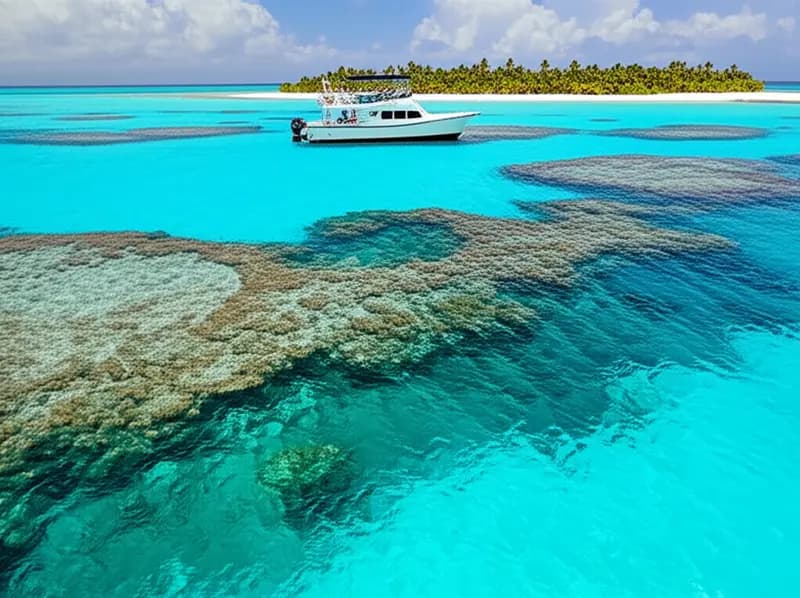
Table of Contents
Why Belize Is the Ultimate Dive Destination
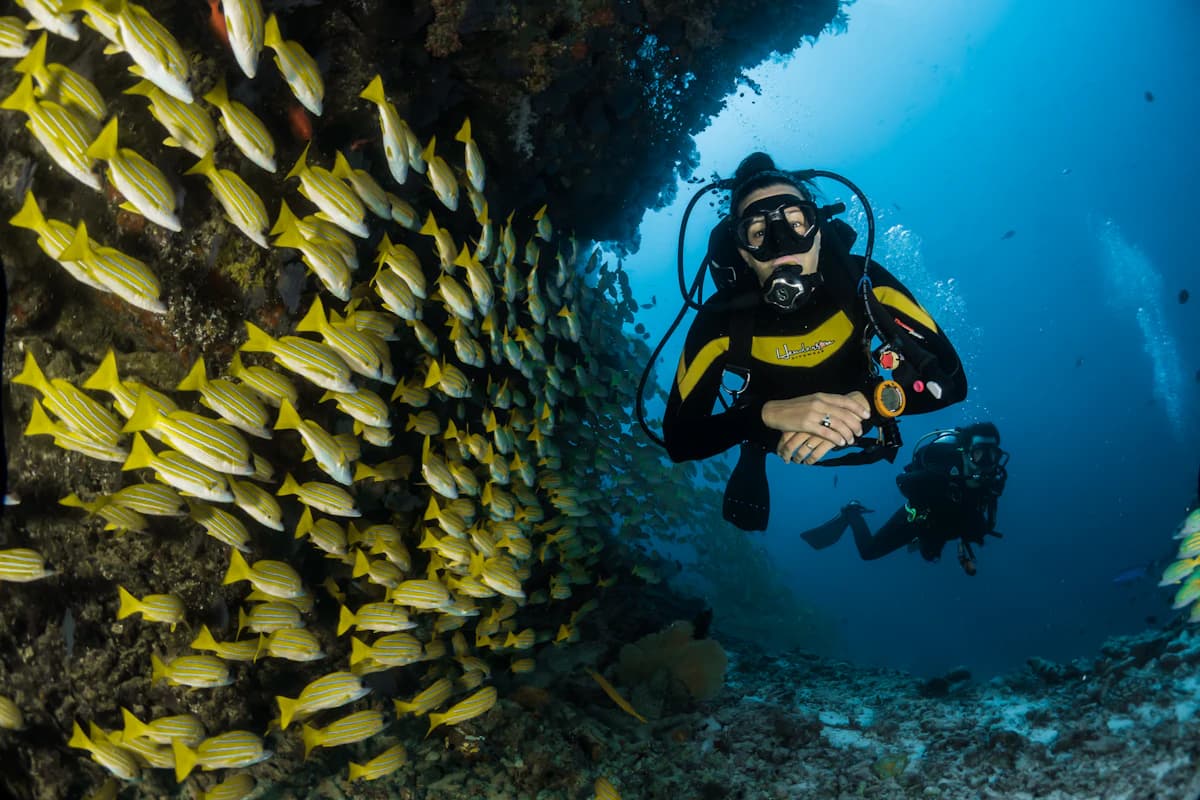
Belize sits along the Mesoamerican Barrier Reef — the largest reef system in the Western Hemisphere and a UNESCO World Heritage Site stretching over 300 kilometers along the Caribbean coast. For divers and snorkelers, there is simply no place in Central America that compares. From the legendary Great Blue Hole to the pristine coral gardens of Turneffe Atoll, Belize offers underwater experiences that range from beginner-friendly reef snorkeling to advanced wall dives that plunge into the abyss.
What makes Belize special is the sheer accessibility of its marine treasures. Unlike many world-class dive destinations that require long boat rides to reach the reef, many Belizean hotels sit within swimming distance of spectacular coral formations. The warm Caribbean waters maintain temperatures between 79°F and 84°F year-round, visibility regularly exceeds 100 feet, and the diversity of marine life — from nurse sharks and eagle rays to whale sharks during seasonal migrations — rivals anything the Indo-Pacific can offer.
But choosing where to stay matters enormously. The right dive hotel puts you close to the best sites, provides quality equipment and expert guides, and creates a seamless experience where the transition from bed to underwater paradise feels effortless. This guide breaks down the best options across Belize's diverse coastal geography.
Ambergris Caye: The Most Popular Base
Ambergris Caye is Belize's largest island and the most popular base for divers visiting the country. The reef runs parallel to the island less than a mile offshore, which means even novice snorkelers can reach world-class marine ecosystems within minutes.
The island offers the widest variety of accommodation, dining, and nightlife in Belize, making it ideal for travelers who want to combine diving with a broader vacation experience. The Hol Chan Marine Reserve and Shark Ray Alley are the marquee sites — both accessible by a 15-minute boat ride from most resorts.
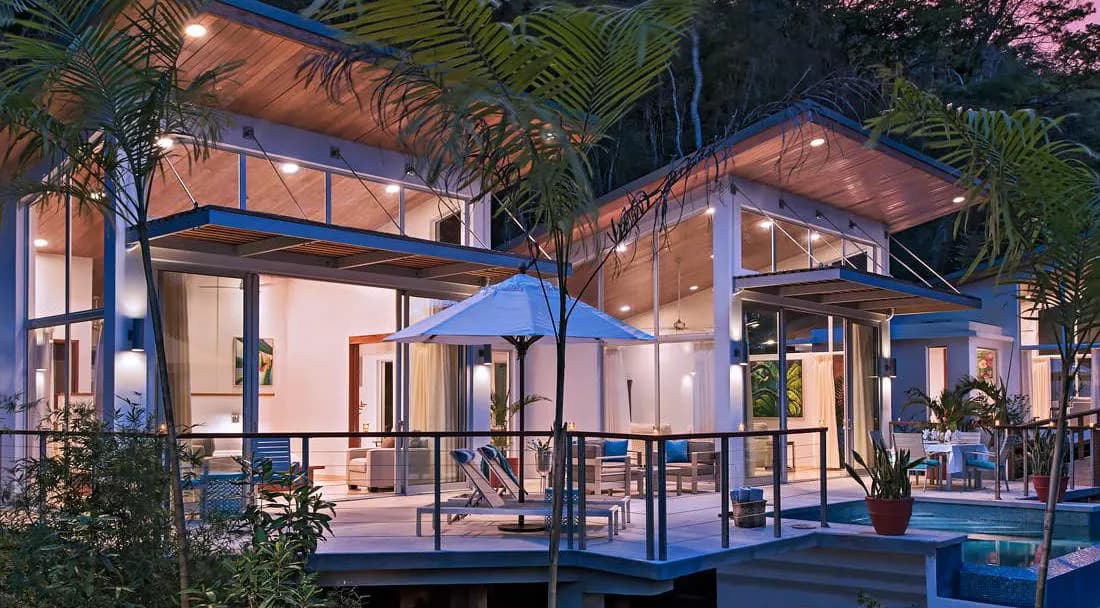
Matachica Resort & Spa is one of the standout properties on Ambergris Caye for divers who also crave luxury. This adults-only boutique resort features colorful beachfront casitas, an excellent restaurant, and partnerships with local dive operators that can arrange everything from reef dives to overnight trips to the Blue Hole. Its location on the northern part of the island means less crowding and more pristine stretches of beach.
For a comprehensive overview of all accommodation options on the island, see our guide to the best hotels in Ambergris Caye.
Hopkins and the Southern Coast
Hopkins Village, on the southern mainland coast, has quietly emerged as one of the best dive bases in Belize. The Belize Barrier Reef is just 20 minutes offshore, and the largely undeveloped coastline means fewer boats and less reef traffic than Ambergris Caye or Caye Caulker.
What truly sets Hopkins apart is its proximity to the South Water Caye Marine Reserve and Glover's Reef Atoll — two of the most pristine and least-visited dive sites in the country. Glover's Reef, in particular, is a UNESCO World Heritage Site within the larger reef system, featuring an almost perfectly circular atoll with more than 700 patch reefs inside its lagoon.
Hamanasi Adventure & Dive Resort is the premier dive-focused property in the Hopkins area. This award-winning resort has its own PADI dive center with top-tier equipment and runs daily trips to the reef and atolls. Their dive masters have decades of experience on the local sites, and the resort's commitment to small group sizes means you will never feel like part of a cattle-boat operation. Hamanasi also organizes multi-day liveaboard-style excursions to the most remote dive sites.
Muyono Resort Hopkins offers a more intimate boutique experience in the same area, with easy access to the same dive sites and a laid-back Garifuna cultural vibe that gives your trip an authentic Belizean flavor.
Placencia: Peninsula Paradise
The Placencia Peninsula on the southern coast is another excellent diving base, offering a long, narrow strip of beach with the Caribbean on one side and a quiet lagoon on the other. Placencia is the primary departure point for trips to the Silk Cayes, Laughing Bird Caye National Park, and Gladden Spit — the latter being one of the few places in the world where you can dive with whale sharks during their seasonal aggregation from March to June.
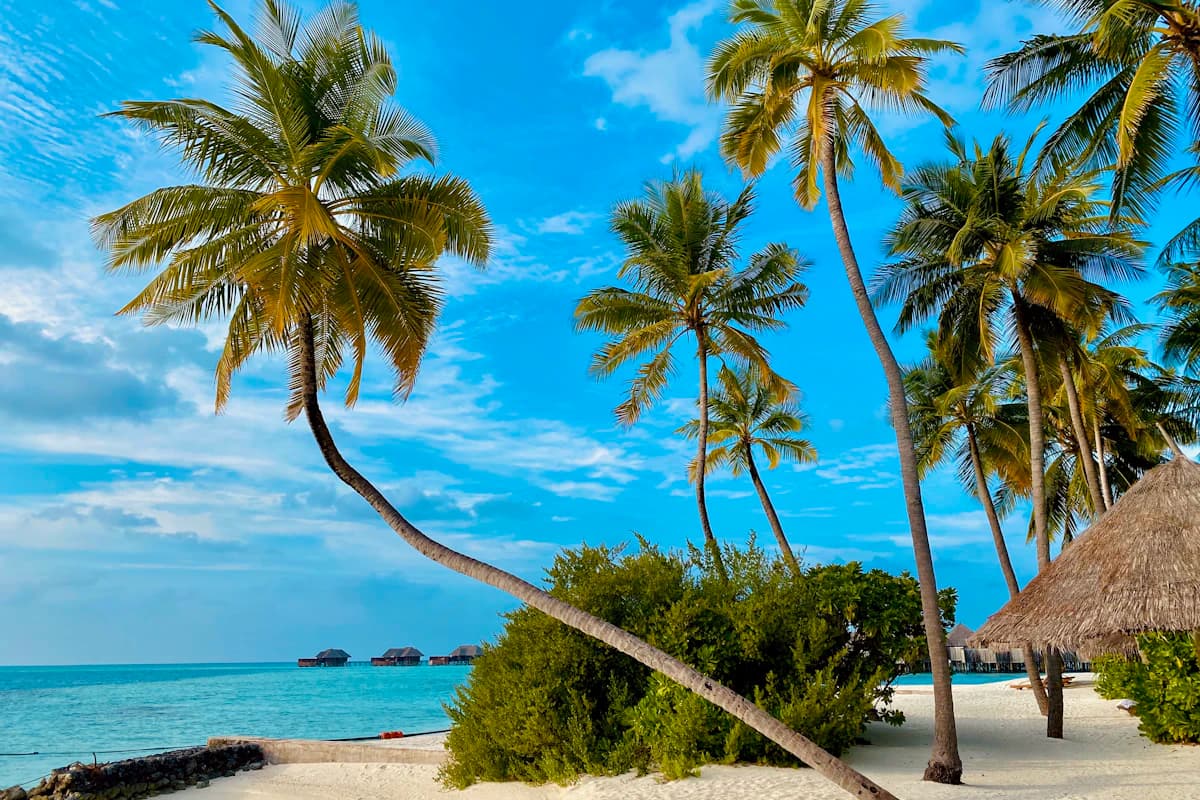
Turtle Inn Placencia, Francis Ford Coppola's Belizean resort, combines barefoot luxury with excellent dive access. The resort can arrange everything from casual reef snorkeling to full-day expeditions to Glover's Reef or the famous Blue Hole. Its beachfront location, Balinese-inspired design, and outstanding Italian-Belizean cuisine make it a memorable base whether you spend four hours or four days underwater.
The Cayo District: Jungle and Reef Combined
While the Cayo District in western Belize is an inland jungle destination, several resorts here offer split-stay packages that combine rainforest adventures with Caribbean diving. This approach gives travelers the best of both worlds — morning cave tubing and ancient Maya ruins, followed by a transfer to the coast for reef diving.
San Ignacio Resort is the top property in the Cayo District and works with coastal dive operators to arrange seamless split-itineraries. Guests typically spend two to three nights at the resort exploring the jungle, Actun Tunichil Muknal cave, and Xunantunich ruins before transferring to the coast.
Chaa Creek Eco Resort offers a similar jungle-reef combination with a stronger emphasis on sustainability and natural history. Their naturalist guides are among the best in the country, and the resort's 400-acre private reserve is home to more than 300 bird species.
The Great Blue Hole: Planning Your Dive
No guide to diving in Belize would be complete without addressing the Great Blue Hole — the country's most iconic dive site and one of the most recognizable underwater formations on earth. This massive marine sinkhole, roughly 300 meters across and 125 meters deep, was made famous by Jacques Cousteau in 1971 and remains a bucket-list destination for divers worldwide.
The Blue Hole is located approximately 70 kilometers offshore from the mainland near the center of Lighthouse Reef Atoll. Because of the distance, most Blue Hole trips depart very early in the morning (around 5:30 AM) and involve a 2–3 hour boat ride each way. The dive itself takes you to a depth of around 40 meters, where you swim among enormous stalactites formed during the last ice age when the cave was above sea level.
A few important considerations for planning:
- Certification level: The Blue Hole is an advanced dive (minimum Advanced Open Water). The depth, limited bottom time, and overhead environment make it unsuitable for beginners.
- Best time: The calmest seas are typically from March to June. Visibility inside the hole is generally excellent year-round.
- Expectations: The Blue Hole is more geological than biological. The main attractions are the stalactites and the sheer scale of the formation. For colorful reef life and marine diversity, the wall dives at Half Moon Caye and Long Caye on the same atoll are arguably more rewarding.
Most dive hotels on Ambergris Caye and in Placencia can arrange Blue Hole day trips. Hopkins-based hotels like Hamanasi are geographically closer and can sometimes offer shorter transit times.
Best Time to Dive in Belize
Belize is a year-round dive destination, but conditions vary by season:
- Dry season (November–April): The most popular time. Calmer seas, less rain, and excellent visibility. Water temperatures hover around 79–82°F. This is peak tourist season, so expect higher prices and busier dive sites.
- Whale shark season (March–June): Gladden Spit near Placencia hosts seasonal aggregations of whale sharks during the full moon. This is one of the most predictable whale shark encounters in the Caribbean.
- Rainy season (June–November): Afternoon showers are common but rarely disrupt diving. Visibility can drop slightly after heavy rains, but the reef is less crowded and prices are lower. Many experienced divers prefer this season for the solitude.
What to Look for in a Belize Dive Hotel
When choosing a dive hotel in Belize, consider:
- On-site dive center: Hotels with their own PADI or SSI dive center offer the most convenient experience. Equipment quality and guide expertise vary significantly between operators.
- Proximity to the reef: Some hotels are a 5-minute boat ride from the reef; others require 30–45 minutes. This makes a real difference over a multi-day diving trip.
- Group sizes: Smaller groups mean more personalized attention and less impact on the reef. Ask about maximum diver-to-guide ratios.
- Equipment quality: Older or poorly maintained equipment can make diving uncomfortable or unsafe. Ask when regulators and BCDs were last serviced.
- Nitrox availability: For multi-day diving, Nitrox (enriched air) extends your bottom time and reduces nitrogen loading. Not all operators offer it.
Budget Considerations
Diving in Belize is not cheap, but it delivers extraordinary value relative to other world-class dive destinations. Expect to pay approximately:
- Two-tank reef dive: $90–$150 USD per person
- Blue Hole day trip: $250–$350 USD per person (includes 3 dives, lunch, and park fees)
- PADI Open Water certification: $400–$500 USD
- Snorkeling half-day trip: $50–$75 USD per person
For more on budgeting your Belize trip, check our Belize travel budget guide.
Final Thoughts
Belize offers an underwater experience that genuinely stands alongside the world's best — the Maldives, the Red Sea, Indonesia — but with the added advantage of being just a two-hour flight from the United States. Whether you are a certified diver seeking the thrill of the Blue Hole and remote atolls, or a snorkeler who wants to float above technicolor coral gardens in bathtub-warm water, the right hotel makes all the difference.
Start with your priorities: luxury and convenience point toward Ambergris Caye and properties like Matachica; serious diving with expert guides points toward Hamanasi in Hopkins; the ultimate in barefoot-luxury beach atmosphere leads to Turtle Inn in Placencia. Whatever you choose, the reef will not disappoint.
For more island hotel options along the reef, explore our Belize Barrier Reef island hotels guide.
FAQ
What is the best time of year to dive in Belize?
The dry season from November to April offers the calmest seas and best visibility, but Belize is diveable year-round. For whale shark encounters, visit Gladden Spit near Placencia during the March–June full moon periods.
Do I need to be a certified diver to enjoy Belize's reef?
No. Many hotels offer Discover Scuba programs for beginners, and the snorkeling in Belize is world-class — sites like Hol Chan Marine Reserve and Shark Ray Alley are best experienced from the surface.
How far is the Belize Barrier Reef from shore?
The reef runs parallel to the coast at varying distances. Near Ambergris Caye it is less than a mile offshore; near Hopkins and Placencia it is roughly 15–20 kilometers out. Most dive boats reach the reef in 15–45 minutes depending on location.
Is the Great Blue Hole worth the trip?
For experienced divers, absolutely — the geological formations are unlike anything else in the Caribbean. However, the long boat ride and advanced depth requirements mean it is not for everyone. The wall dives at Lighthouse Reef Atoll, done on the same trip, are often the highlight for many divers.

About the Author
Hotels CA TeamEditorial Research Team
Hotels CA Team is the editorial desk behind these Central America hotel and travel guides. We research public property information, official sources, and traveler feedback. A hotel page is not a personal visit unless the article says so.