Best Time to Visit Costa Rica: Seasons, Weather & Travel Tips
Discover the ideal time to visit Costa Rica based on weather, wildlife, surfing conditions, and hotel prices across different regions.
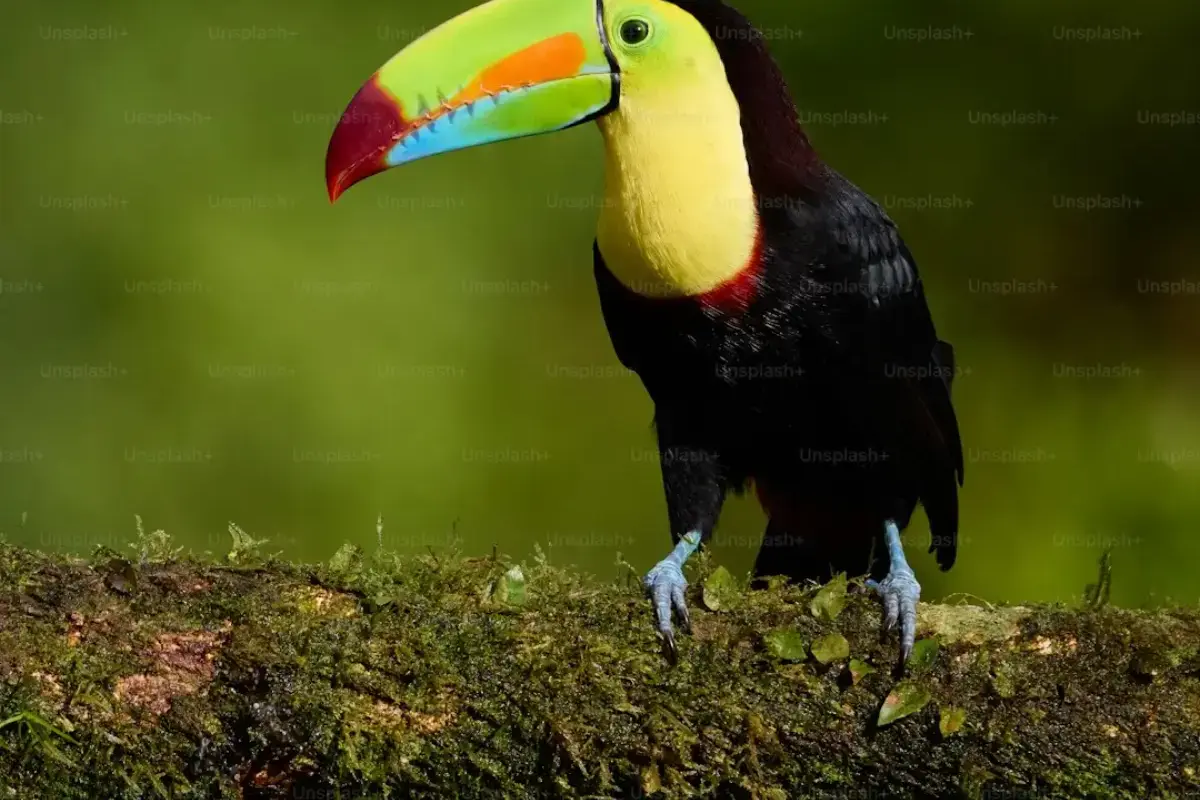
Table of Contents
Understanding Costa Rica's Seasons
Costa Rica may be a small country, but its climate is remarkably diverse. Two coastlines, volcanic mountain ranges, cloud forests, and lowland jungles create a patchwork of microclimates that can deliver sunshine and rain within the same hour depending on where you stand. The country does not follow the traditional four-season model. Instead, Costa Rica has two primary seasons: the dry season (locally called verano or summer) running from December to April, and the green season (invierno or winter) from May to November. Pair this calendar with the Costa Rica hub budget snapshot and the area guides for La Fortuna, Manuel Antonio, and Guanacaste — a dry March in Papagayo is not a dry March in the park.
What makes Costa Rica particularly interesting for trip planning is that the Pacific and Caribbean coasts often have opposite weather patterns. When the Pacific side is bone dry in February, the Caribbean coast near Puerto Viejo can still be receiving rain. And when the Pacific lowlands are drenched in September, the Caribbean side often enjoys its driest stretch of the year. This means that with a bit of planning, you can find good weather somewhere in Costa Rica during almost any month.
Dry Season (December to April)
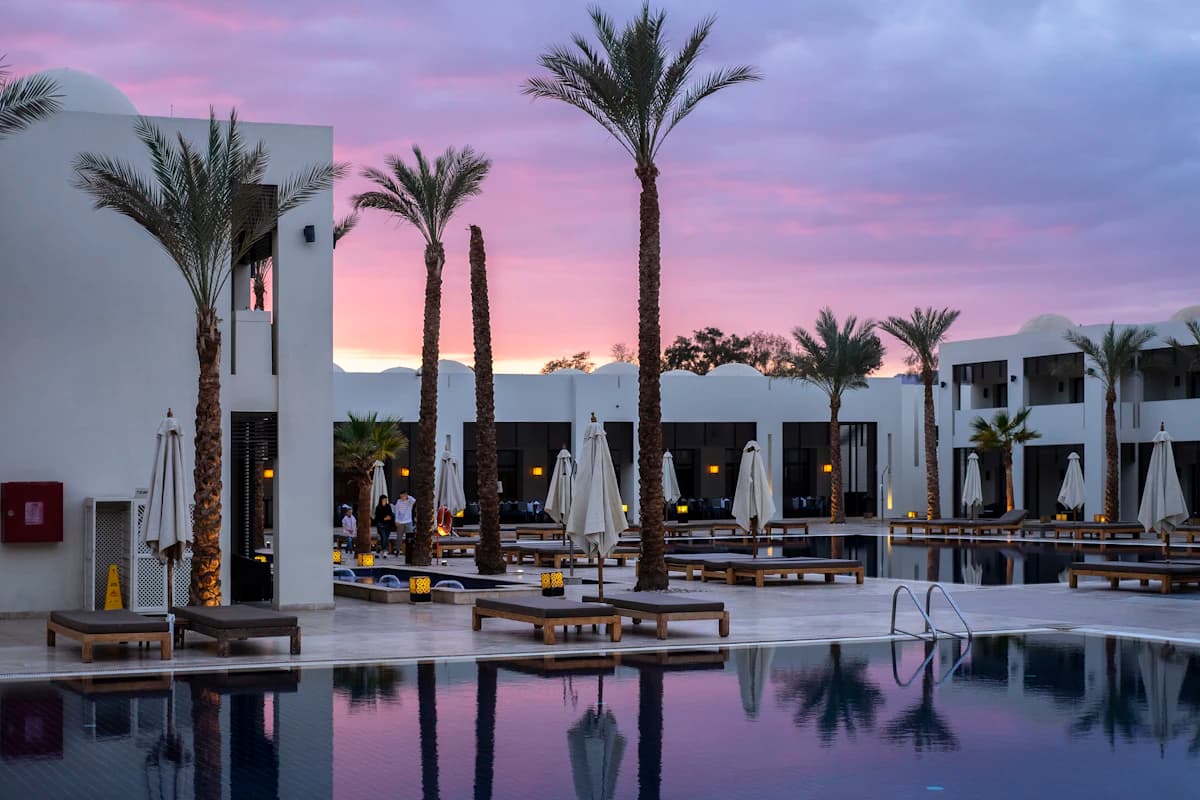
The dry season is Costa Rica's peak travel period. The Pacific coast, Central Valley, and Guanacaste province bake under clear blue skies, and the country's national parks and beaches are at their most accessible. This is the time when North American and European visitors arrive in the greatest numbers, drawn by the promise of guaranteed sunshine and warm temperatures.
December and January mark the beginning of peak season. The Christmas and New Year holidays bring a surge of visitors, and prices at popular hotels and resorts jump accordingly. Temperatures along the Pacific coast range from 30 to 35 degrees Celsius, while the Central Valley around San Jose stays comfortable at 24 to 28 degrees. The countryside is still green from the recent rains, making this one of the most photogenic periods.
February and March are the driest months nationwide. Guanacaste can go weeks without a drop of rain, and the Nicoya Peninsula beaches are at their golden best. This is prime time for beach vacations, diving, and snorkeling because water visibility reaches its peak. However, the landscape in Guanacaste starts to look parched and brown by March, a stark contrast to the lush green of the rainy season.
April is the final month of dry season and the warmest of the year. Temperatures can feel oppressive in the lowlands, regularly exceeding 35 degrees Celsius on the Pacific coast. Semana Santa (Easter week) is the busiest domestic travel period, when Costa Rican families flood the beaches. Expect heavy traffic on highways leading to the coast and fully booked accommodations at popular beach towns. The first scattered showers may appear by late April, signaling the coming transition.
Green Season (May to November)
The green season is when Costa Rica truly lives up to its name. The rains transform the landscape into an explosion of vivid greens, waterfalls run at full force, and the jungle canopy buzzes with life. Many experienced travelers consider this the best time to visit, and not just because of the 20 to 40 percent discounts on hotels.
May and June see the rains arrive in earnest on the Pacific side. Mornings are typically clear and sunny, with clouds building through the afternoon and rain falling in heavy bursts between 2 p.m. and 5 p.m. The pattern is predictable enough that most outdoor activities can be scheduled in the morning without issue. Rivers and waterfalls, many of which slow to a trickle during the dry season, come roaring back to life.
July brings a brief dry spell to the Pacific coast known as the veranillo de San Juan (little summer of Saint John). This two- to three-week break from the rains, usually in mid to late July, creates an appealing window for travelers who want green-season prices with partial dry-season weather. It is not guaranteed every year, but it occurs often enough to be worth planning around.
August and September are among the wettest months on the Pacific side but can be surprisingly dry on the Caribbean coast. September and October are often considered the least popular months for tourism, which means dramatic discounts on accommodation and activities. Whale watching season is in full swing on the Pacific coast, with humpback whales arriving from both the northern and southern hemispheres.
October and November bring the heaviest rains of the year, particularly in October. Some remote roads may become impassable, and a few lodges in the most rain-prone areas close for maintenance. November starts wet but begins to transition toward dry season by the final week, making late November an underrated time to visit for travelers seeking the first clear skies of the season at still-discounted prices.
Regional Weather Guide
Guanacaste and the Nicoya Peninsula (Pacific Northwest)
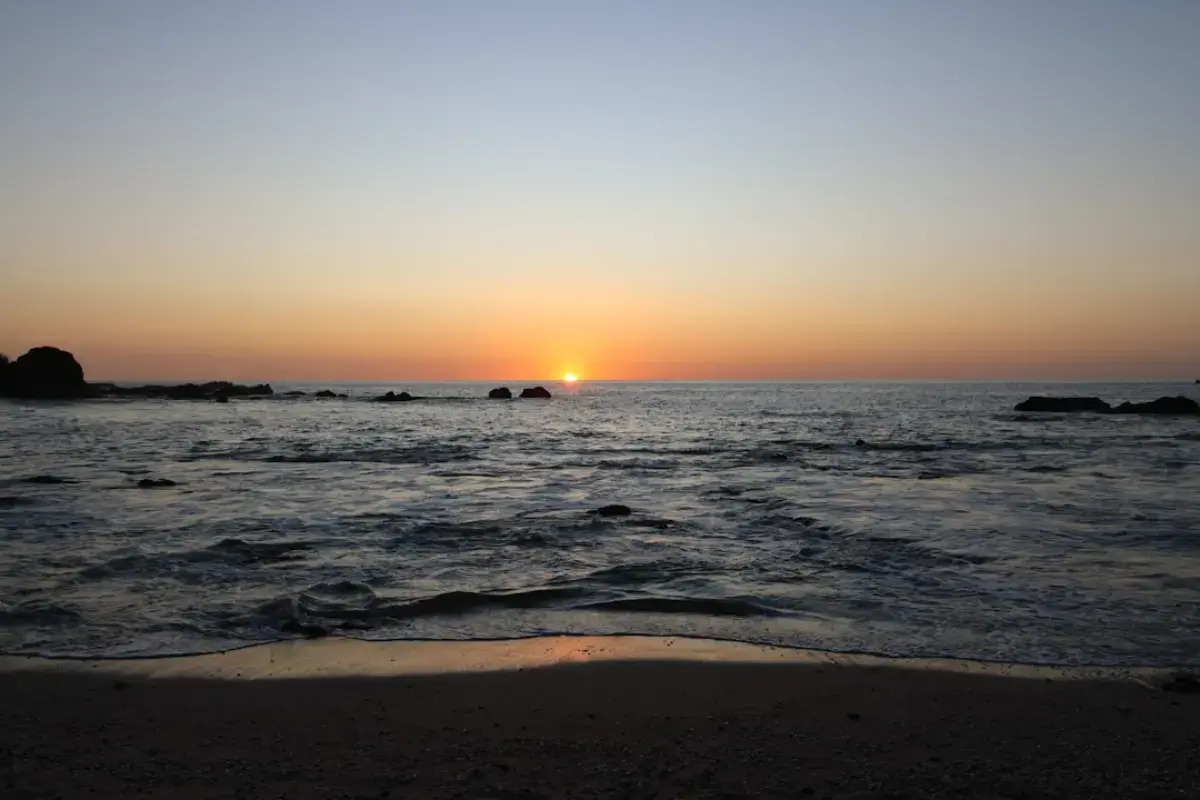
This is the driest region in Costa Rica, with a true tropical dry forest climate. The dry season here is the most pronounced anywhere in the country, and from January to March you can expect day after day of unbroken sunshine. Beaches like Tamarindo, Flamingo, Nosara, and Santa Teresa are at their most popular during this period. The green season brings afternoon rains but mornings remain largely dry.
Central Pacific (Manuel Antonio, Jaco, Dominical)
The Central Pacific coast receives more rainfall than Guanacaste but still follows the general dry and green season pattern. Manuel Antonio National Park is excellent year-round, with wildlife active in all conditions. The park is most crowded from December to April but offers a more intimate experience during the green season when visitor numbers drop. Dominical and Uvita are the gateway to whale watching from August to October and again from December to March.
Osa Peninsula and Southern Pacific
The Osa Peninsula is one of the wettest regions in Costa Rica and one of the most biodiverse places on Earth. The dry season from December to April is the most practical time to visit, as trails in Corcovado National Park can be extremely muddy and some river crossings become dangerous during heavy rains. That said, the green season is when the jungle is most alive, and dedicated nature enthusiasts willing to embrace the mud will be rewarded with incredible wildlife encounters.
Caribbean Coast (Puerto Viejo, Cahuita, Tortuguero)
The Caribbean coast follows its own weather calendar. The driest months are typically February to March and September to October, almost the inverse of the Pacific side. This makes the Caribbean an excellent alternative during the Pacific's wettest months. Tortuguero, famous for sea turtle nesting, is best visited from July to October when green sea turtles come ashore to lay their eggs. Puerto Viejo and Cahuita offer a laid-back Caribbean vibe year-round, with the best beach weather in September and October.
Central Valley and Cloud Forests (San Jose, Monteverde, Arenal)
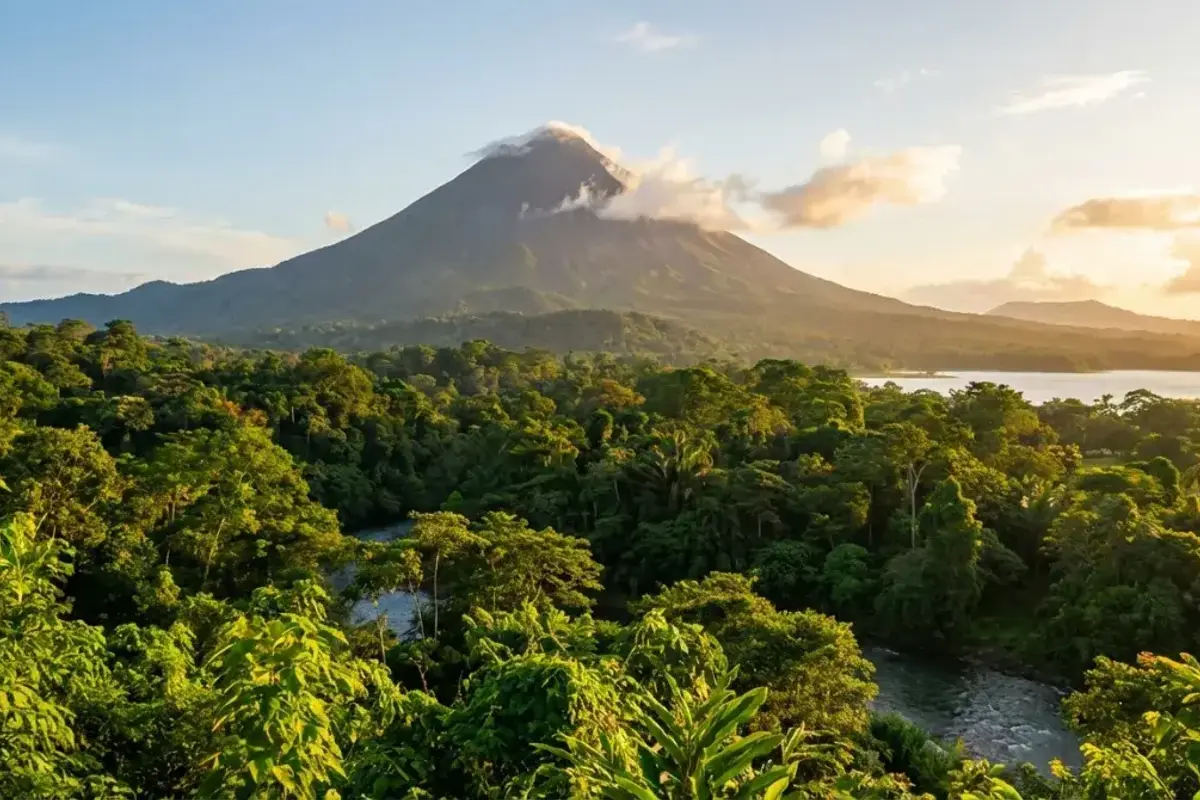
The Central Valley enjoys a comfortable, spring-like climate year-round, with temperatures between 20 and 28 degrees Celsius. Monteverde Cloud Forest is misty and cool throughout the year -- that is what makes it a cloud forest -- but the dry season from January to April has the least rainfall. Arenal Volcano and the surrounding area receive rain almost daily during the green season, but the hot springs and thermal pools are enjoyable rain or shine. January through April offer the best chances of seeing Arenal's cone without cloud cover.
Wildlife Seasons
Costa Rica's incredible biodiversity means there is always something to see, but certain wildlife experiences are seasonal.
Sea turtle nesting: Green sea turtles at Tortuguero from July to October. Olive ridley turtles at Ostional from July to December (mass arrivals called "arribadas"). Leatherback turtles on the Caribbean coast from March to June.
Whale watching: Humpback whales from the Southern Hemisphere visit the Pacific coast from July to November, with peak activity in September and October. A smaller population from the Northern Hemisphere arrives from December to March. Costa Rica is one of the few places in the world where both populations overlap.
Bird watching: The resplendent quetzal is most visible from January to May during breeding season in the cloud forests of Monteverde and the San Gerardo de Dota valley. Scarlet macaws are visible year-round in the Osa Peninsula and Carara region but are most active during the dry season.
Monkey and sloth activity: Active year-round, but easier to spot during the dry season when the canopy is thinner and animals congregate around water sources.
Surfing Seasons
Costa Rica is a world-class surfing destination with waves available year-round, though conditions vary by coast and season.
Pacific coast: The best swells arrive from May to November, when south and southwest swells generate consistent waves along the entire coast. Spots like Playa Hermosa (Jaco), Pavones, and Dominical come alive during this period. The dry season brings smaller, cleaner waves that are better suited for beginners, particularly at Tamarindo and Nosara.
Caribbean coast: Salsa Brava in Puerto Viejo fires with powerful reef breaks from December to March, when north swells push through the Caribbean. This world-famous wave draws experienced surfers from around the globe. Smaller, more forgiving breaks near Cahuita work year-round.
Budget Tips by Season
Best value months (May, June, September, October, early November): Hotels offer significant discounts, often 25 to 40 percent off peak rates. Rental cars are more available and cheaper. Restaurants and tour operators may offer shoulder-season specials. National parks are far less crowded, enhancing the quality of your experience.
Moderate pricing (July, August, late November, early December): Summer holidays from North America bring some visitors in July and August, but prices remain below peak levels. Late November and early December offer the first dry weather of the season before the holiday surge.
Peak pricing (mid-December to April): Expect the highest rates for accommodation, rental cars, and domestic flights. Booking three to six months in advance is recommended for popular areas like Manuel Antonio, Arenal, and Guanacaste beach towns. Easter week is the single most expensive period.
Frequently Asked Questions
Does it rain every day during the green season?
It rains most days during the green season on the Pacific side, but "rain" in Costa Rica usually means a heavy afternoon downpour lasting one to three hours, not an all-day drizzle. Mornings are typically sunny and pleasant, giving you a full half-day of dry weather for activities. Many travelers find the afternoon rain refreshing after a morning of hiking or beach time. The Caribbean coast has its own pattern and can be dry when the Pacific is wet.
What is the best month for wildlife in Costa Rica?
There is no single best month, as different wildlife experiences peak at different times. For humpback whales, September and October are the prime months. For sea turtle nesting at Tortuguero, July to September is ideal. For quetzal sightings, February to April during the breeding season offers the best chances. For general wildlife viewing with comfortable weather, January and February strike a good balance between dry conditions and active animals.
Is the green season worth visiting for a beach vacation?
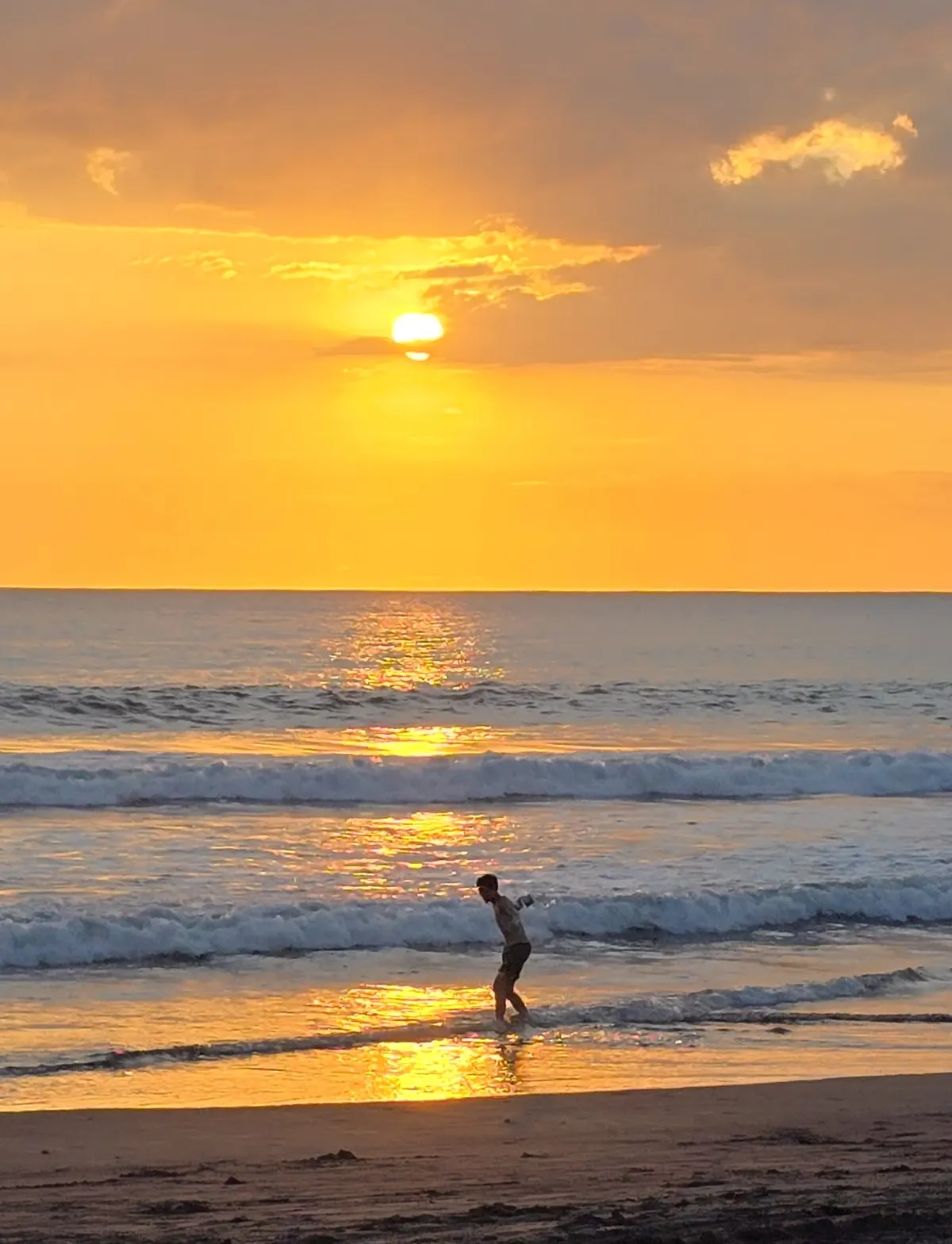
Absolutely. While the Pacific coast receives afternoon rain, mornings are sunny and warm, perfect for beach activities. The green season also brings warmer water temperatures, excellent surfing conditions, and dramatically fewer people on the sand. Hotels near the beach drop their rates significantly, allowing you to upgrade your accommodation for the same budget you would spend on a mid-range room during peak season. The Caribbean coast is an especially good choice for a green-season beach trip, as September and October are among its driest months.
How far in advance should I book during peak season?
For travel between mid-December and April, booking accommodation three to six months in advance is recommended for popular destinations like Manuel Antonio, Arenal, Monteverde, and Guanacaste beach towns. Rental cars during peak season can sell out entirely, so reserving early is critical. For Easter week, booking six months or more ahead is advisable. During the green season, last-minute bookings are usually possible, and you may even score walk-in discounts at smaller hotels and lodges.
Conclusion
Costa Rica is a genuine year-round destination, and there is no universally wrong time to visit. The dry season from December to April appeals to travelers who prioritize sunshine and want the easiest conditions for exploring the country's national parks and beaches. The green season from May to November draws budget-conscious visitors, surfers, whale watchers, and anyone who wants to experience the country at its most lush and vibrant without the crowds. By understanding the regional differences -- particularly the Pacific versus Caribbean weather patterns -- you can find excellent conditions somewhere in Costa Rica during any month of the year. The best time to visit is the time that aligns with your interests, your budget, and the experiences you most want to have.

About the Author
Hotels CA TeamEditorial Research Team
Hotels CA Team is the editorial desk behind these Central America hotel and travel guides. We research public property information, official sources, and traveler feedback. A hotel page is not a personal visit unless the article says so.