Is Costa Rica Expensive in 2026? $45–$160/Day by Region
Mid-range $90–160 a day; backpackers $45–70. 13% VAT plus restaurant service, region prices, and how much cash to bring.
Table of Contents
Is Costa Rica expensive in 2026?
Short answer: yes, relative to Guatemala, El Salvador, Honduras, or Nicaragua. A mid-range traveler should plan $90–160 per person per day once hotels, food, transport, and one paid activity are included. A careful backpacker can still land near $45–70 by using sodas, public buses, and hostels. Luxury beach or eco-lodge days run $250–500+. The 13% VAT plus a mandatory 10% restaurant service charge is why restaurant bills surprise first-time visitors.
Where the money actually moves: Guanacaste and Manuel Antonio sit at the expensive end (beach hotels $80–160 mid-range, Papagayo and Arenas del Mar $250–500+). La Fortuna is a two-track market: $40–80 in town or $150–800 on the volcano road. The Caribbean (Puerto Viejo, Cahuita) and a San José transit night are the cheap valves. Park tickets are the fixed line: Manuel Antonio about $18, Arenal $15, Monteverde reserve about $25.
This page is a 2026 cost breakdown by region, not a claim that prices never move. Confirm current hotel and park fees before you book. Start on the Costa Rica hub for seasons and the first hotel base. Area picks: La Fortuna, Manuel Antonio, Guanacaste. For a cheaper neighbor, use the El Salvador daily-cost guide or the Central America backpacking route.
How to read these 2026 Costa Rica prices
The colon (CRC) is the local currency; US dollars are widely accepted in tourist towns and usually at a worse rate than an ATM withdrawal in colones. The figures below already assume 13% VAT on most services. Restaurant menus do not: the bill adds VAT plus a mandatory 10% service charge, which is why a $12 entrée becomes about $15.
Why Costa Rica Is More Expensive
Before diving into specific costs, it helps to understand why Costa Rica sits above its neighbors in pricing. The country has a higher cost of living, driven by better infrastructure, stronger environmental protections, and a well-developed tourism industry. National park fees go toward conservation. The 13% VAT (IVA) applies to most goods and services, and restaurants add a mandatory 10% service charge on top of that. Imported goods are heavily taxed. All of this adds up, but it also means you get reliable roads, excellent nature preserves, and a country where roughly 30% of the land is protected.
Average Daily Budget Breakdown
Here is a realistic picture of what you will spend per day in Costa Rica:
| Category | Budget ($45-70/day) | Mid-Range ($90-160/day) | Luxury ($250-500+/day) |
|---|---|---|---|
| Accommodation | $12-25 (hostels, cabinas) | $50-100 (boutique hotels, lodges) | $150-400 (luxury resorts, villas) |
| Food | $12-18 (sodas, street food, cooking) | $25-40 (restaurants, cafes) | $60-120 (fine dining, resort dining) |
| Transport | $8-12 (public buses) | $20-40 (shuttles, shared rides) | $50-100 (rental car, private transfers) |
| Activities | $10-20 (hiking, free beaches) | $30-50 (national parks, one tour) | $80-200 (zip-lines, diving, private tours) |
| Miscellaneous | $3-5 | $5-10 | $10-30 |
These figures reflect the reality that Costa Rica is roughly 40-60% more expensive than Guatemala, El Salvador, or Nicaragua for similar services.
Accommodation Costs by Region
San Jose and the Central Valley
San Jose is the most affordable major area for accommodation. Hostel dorms cost $10-18 per night, and budget hotels in the city center run $25-45. Mid-range hotels in the upscale Escazu and Santa Ana suburbs cost $60-100. Unless you have an early flight, most travelers pass through quickly.
Guanacaste and the Pacific Coast
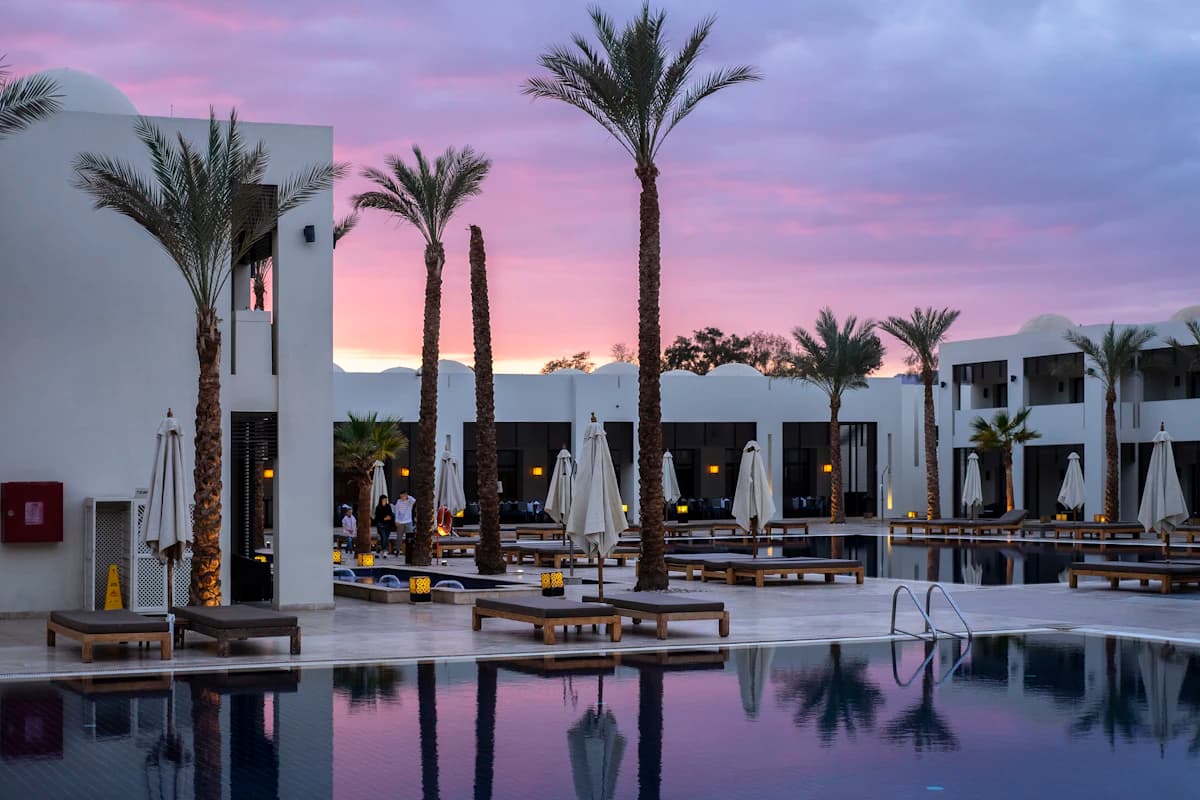
The northwestern Pacific coast, including Tamarindo, Nosara, and Papagayo, is the most expensive region. Budget cabinas start at $30-50 per night. Mid-range beachfront hotels cost $80-150, and luxury resorts like the JW Marriott Guanacaste or Andaz Papagayo range from $250-600 per night. Nosara in particular has seen prices climb as it becomes an international yoga and surf destination.
Arenal and Monteverde
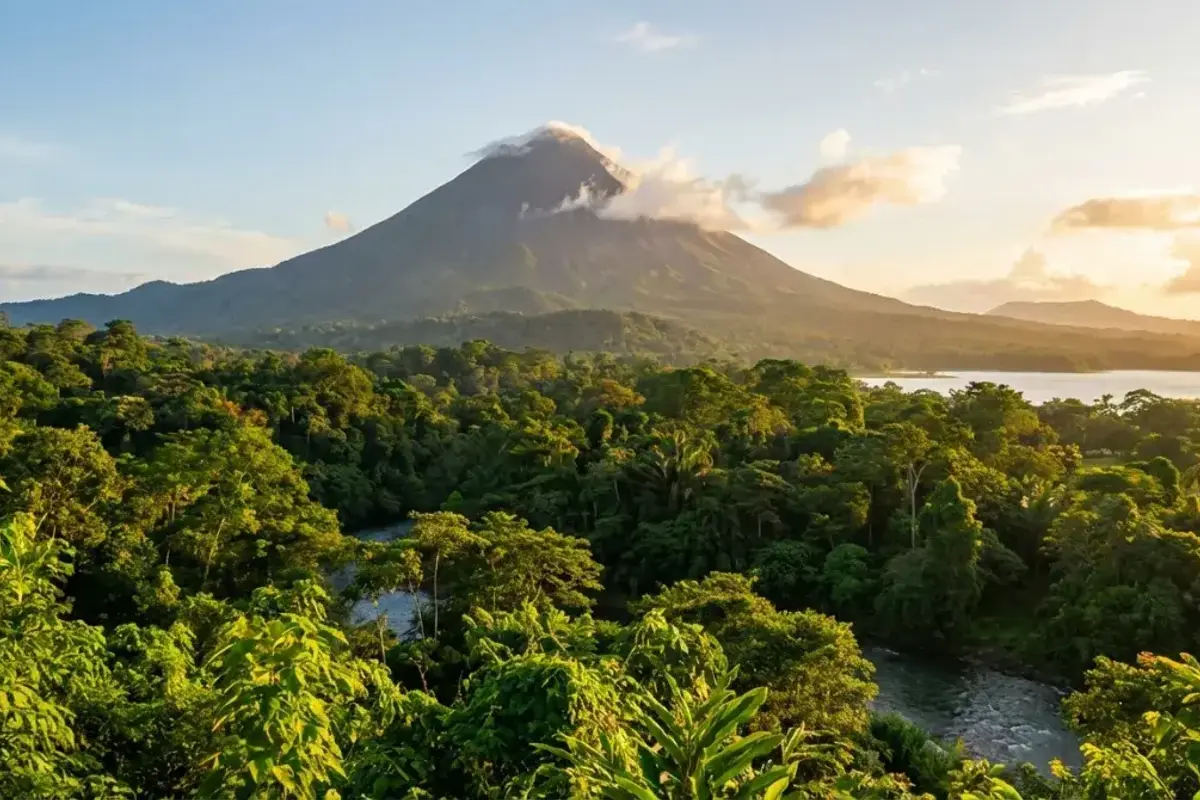
The volcano and cloud forest region offers good mid-range value. Hotels with volcano views around La Fortuna run $50-120 per night. The famous Tabacon Thermal Resort costs $250-400 per night but includes access to hot springs. Budget hostels in La Fortuna and Monteverde cost $12-22 per night.
Caribbean Coast
Puerto Viejo de Talamanca and Cahuita offer slightly lower prices than the Pacific side. Budget cabinas start at $20-35, mid-range lodges cost $50-90, and there are fewer luxury options overall. This side of the country feels more relaxed and less developed.
Manuel Antonio and the Central Pacific
Manuel Antonio is heavily touristed and prices reflect that. Budget accommodation starts at $25-40, mid-range hotels with ocean views cost $80-160, and luxury properties like Arenas del Mar run $300-500 per night.
Osa Peninsula
Getting to the Osa Peninsula is more difficult and expensive, and lodges there reflect the remoteness. Budget options are limited; most eco-lodges cost $150-350 per night, often including meals and guided hikes. Lapa Rios Lodge, for example, is an all-inclusive eco-lodge starting around $300 per person per night.
Food and Drink Costs
Sodas (Local Eateries)
The soda is Costa Rica's version of the comedor. A casado (the traditional plate with rice, beans, salad, plantains, and a protein) costs 3,000-5,000 CRC ($5.50-9 USD) at a local soda. This is your best bet for affordable, filling meals. Gallo pinto (rice and beans) breakfasts cost 2,000-3,500 CRC ($3.50-6.50 USD).
Restaurants and Tourist Areas
At mid-range restaurants in tourist towns, main courses run 6,000-12,000 CRC ($11-22 USD). Remember that your bill already includes 10% service charge and 13% tax, so the total is 23% more than the menu price. A craft beer at a bar costs 2,500-4,000 CRC ($4.50-7.50 USD). A local Imperial beer is 1,500-2,500 CRC ($2.75-4.50 USD). A cup of coffee is 1,200-2,500 CRC ($2-4.50 USD).
Fine Dining
High-end restaurants in San Jose, Guanacaste resorts, and Manuel Antonio charge 15,000-30,000 CRC ($27-55 USD) for entrees. A dinner for two with wine at a fine dining establishment runs $80-150 USD before the mandatory charges.
Groceries and Cooking
If your accommodation has a kitchen, shopping at supermarkets (Auto Mercado, Walmart/Mas x Menos) can significantly reduce food costs. A week of groceries for self-catering costs roughly $40-60 per person.
Transportation Costs
Public Buses
Costa Rica has an extensive public bus system. Intercity bus fares are remarkably affordable:
- San Jose to La Fortuna: 3,000-4,000 CRC ($5.50-7.50 USD), 4 hours
- San Jose to Manuel Antonio: 5,000-6,500 CRC ($9-12 USD), 3.5 hours
- San Jose to Puerto Viejo: 6,000-8,000 CRC ($11-15 USD), 4.5 hours
- San Jose to Monteverde (via Tilaran): 4,000-5,500 CRC ($7.50-10 USD), 4-5 hours
Local city buses cost 300-700 CRC ($0.50-1.25 USD).
Tourist Shuttles
Shared shuttle services like Interbus and Grayline connect tourist destinations door-to-door. They cost more than public buses but save time and eliminate confusion:
- San Jose to Arenal/La Fortuna: $50-60 USD
- Arenal to Monteverde: $30-45 USD
- San Jose to Manuel Antonio: $50-60 USD
- Manuel Antonio to Uvita: $40-55 USD
Rental Cars
Many travelers choose to rent a car, especially for Pacific coast road trips. Daily rental rates for a compact SUV (recommended for unpaved roads) range from $40-75 USD per day including mandatory insurance. A 4x4 vehicle costs $55-100 per day. Gas costs approximately 900-1,000 CRC per liter ($6-7 USD per gallon). Consider that many beach town roads are unpaved, so the SUV or 4x4 is not optional in some areas.
Domestic Flights
Sansa and other small carriers fly between San Jose and destinations like Liberia, Drake Bay, Tambor, and Tortuguero. One-way tickets cost $80-150 USD.
National Park and Activity Costs
Costa Rica's national parks charge entrance fees that vary by park:
- Manuel Antonio National Park: $18 USD (foreigners)
- Arenal Volcano National Park: $15 USD
- Corcovado National Park: $15 USD (plus mandatory guide, $80-100 USD per day)
- Monteverde Cloud Forest Reserve: $25 USD
- Tortuguero National Park: $15 USD
Adventure activities are a major draw but add up quickly:
- Zip-lining canopy tour: $50-85 USD
- White-water rafting (Pacuare River): $90-130 USD for a full day
- Hanging bridges walk: $26-40 USD
- Hot springs entry (Tabacon): $99-120 USD (day pass)
- Snorkeling tour (Cahuita): $30-50 USD
- Sport fishing (half day): $400-800 USD for a boat
- Surfing lessons: $50-70 USD for a 2-hour session
- Night wildlife tour: $35-55 USD
Tipping and Tax Information
Restaurants in Costa Rica include a 10% service charge (propina) and 13% IVA (sales tax) in the bill. Because service is already included, additional tipping is not expected but appreciated for excellent service (rounding up or adding 5% is generous). Tour guides typically receive $5-15 per person per tour. Hotel housekeeping receives 1,000-2,000 CRC ($2-4 USD) per day.
Money-Saving Tips
- Eat at sodas. Every town has them, and a casado is one of the best meals in Central America at a fraction of restaurant prices.
- Visit free or cheap beaches. Not all beaches charge access fees. Playa Conchal, Playa Samara, and many Caribbean beaches are free to visit.
- Travel by public bus. Intercity buses are clean, reliable, and cost a fraction of shuttle services.
- Go in green season (May-November). Hotels drop rates by 20-40% during the rainy season, and mornings are usually clear.
- Book tours locally. Tour prices in La Fortuna, Monteverde, and Manuel Antonio are often cheaper when booked at local agencies versus online platforms.
- Get a kitchen. Airbnb and cabinas with kitchens let you cook breakfasts and lunches, cutting food costs significantly.
- Combine destinations strategically. Shuttle costs add up. Plan a route that minimizes backtracking, such as San Jose to Arenal to Monteverde to Guanacaste, rather than zigzagging across the country.
- Carry a refillable water bottle. Tap water in Costa Rica is safe to drink in most areas, saving you from buying bottled water daily.
Conclusion
Costa Rica is not the cheapest Central American destination, but it rewards travelers with some of the best nature experiences on the planet. Budget travelers can get by on $45-70 per day by using public buses, eating at sodas, and staying in hostels. Mid-range travelers spending $90-160 per day will enjoy comfortable lodges, guided tours, and good restaurants. And luxury travelers will find that even at $250-500 per day, Costa Rica offers outstanding value compared to Caribbean islands or high-end destinations in Europe and North America. The key is understanding where costs are fixed (national park fees, shuttle prices) and where you have flexibility (food, accommodation, timing).
Frequently Asked Questions
Is it better to bring US dollars or Costa Rican colones?
Both work in tourist areas, but colones give you better value. ATMs throughout Costa Rica dispense colones, and you can often choose to withdraw in either currency. Paying in dollars at restaurants and shops typically results in an unfavorable exchange rate. Bring some US dollars as backup but use colones for daily spending.
Should I rent a car in Costa Rica?
It depends on your itinerary. If you are visiting multiple Pacific coast beaches, Arenal, and Monteverde, a rental car offers flexibility and can be cost-effective for groups of 2-4 people compared to shuttle costs. Solo travelers and couples usually save money with shuttles and buses. Be aware that mandatory insurance adds $15-25 per day to rental costs, and many roads require a 4x4.
How much should I budget for a 10-day Costa Rica trip?
For a comfortable mid-range 10-day trip covering Arenal, Monteverde, and a beach destination, plan for $900-1,600 per person (not including international flights). This covers accommodation, food, transport between destinations, and 3-4 major activities. Budget travelers can do the same route for $450-700 per person.
What is the cheapest region of Costa Rica to visit?
The Caribbean coast (Puerto Viejo, Cahuita) and the Central Valley around San Jose tend to be the most affordable areas. Guanacaste and Manuel Antonio are the most expensive. The Southern Zone (Dominical, Uvita) offers a good middle ground with lower prices than the northern Pacific coast and excellent beaches and wildlife.

About the Author
Hotels CA TeamEditorial Research Team
Hotels CA Team is the editorial desk behind these Central America hotel and travel guides. We research public property information, official sources, and traveler feedback. A hotel page is not a personal visit unless the article says so.