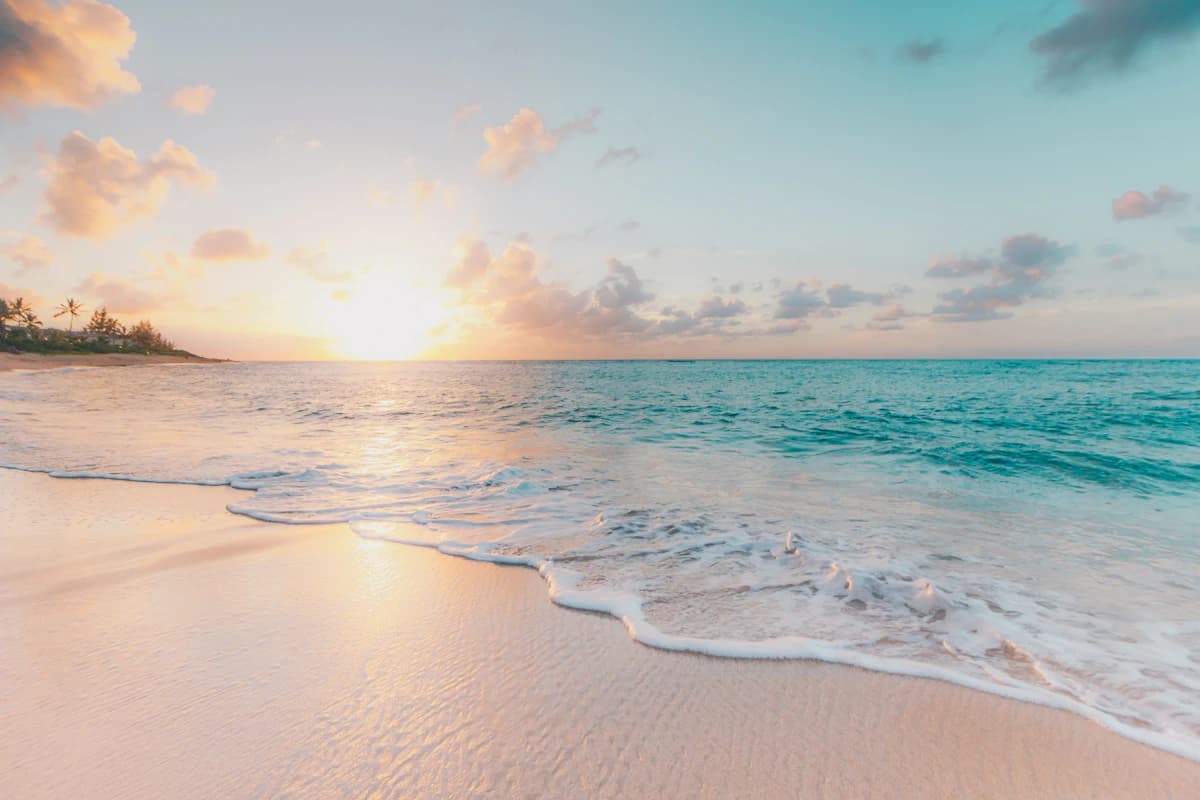
The Ultimate Costa Rica Road Trip: 2 Week Itinerary
Plan the perfect 2-week Costa Rica road trip with our day-by-day itinerary covering beaches, volcanoes, and rainforests.
Contents
Two weeks. One rental car. And one of the most biodiverse countries on Earth. A Costa Rica road trip is the kind of adventure that rewires you — the kind where you wake up next to a volcano, fall asleep listening to howler monkeys, and somewhere between a cloud forest and a Pacific sunset, you stop checking your phone.
This itinerary covers the country's greatest hits: from the chaos and charm of San José to the emerald canals of the Caribbean coast. We're talking active volcanoes, black-sand beaches, cloud forests dripping with mist, and jungle lodges where the wildlife comes to you. Fourteen days, seven distinct regions, zero filler.
Let's go.
Before You Hit the Road
Renting a car: Book a 4WD well in advance, especially for dry season (December–April). Expect to pay $45–$80/day for a basic 4x4 from companies like Adobe, Vamos, or Economy. Many roads — especially to Monteverde and the Osa — are unpaved, and you'll need ground clearance. Budget $15–$25/day for full insurance (highly recommended).
Fuel: About $1.50–$1.80/liter (roughly $6–$7/gallon). Fill up whenever you see a station in rural areas.
Cash vs. card: Carry colones (CRC) for small towns and tolls. Major tourist spots accept USD, but you'll get bad exchange rates. ATMs are widely available in cities.
Best time to go: The dry season (December–April) gives you reliable weather on both coasts. May–November is greener and cheaper, but expect afternoon rains — especially in Osa.
Days 1–2: San José — Arrival & Acclimatize
Drive time: N/A — you're starting here.
Land at Juan Santamaría International Airport (SJO) and resist the urge to flee immediately. San José gets a bad rap, but the city has real soul if you know where to look. Spend your first evening in the Barrio Escalante neighborhood — San José's hippest district, full of coffee shops, craft beer bars, and excellent restaurants.
Where to stay:
- Kap Place (Barrio Escalante) — Boutique guesthouse, clean and well-located. $70–$110/night
- Hotel Grano de Oro — Colonial charm, beautiful garden, excellent breakfast. $150–$200/night
- Selina San José — Hostel/hotel hybrid for budget travelers. $20–$45/night
What to do:
- Walk through the Mercado Central — a covered labyrinth of butchers, sodas (local diners), and spice vendors. Try a casado (rice, beans, plantain, meat) for under $5.
- Visit the Museo del Jade or the Museo Nacional for pre-Columbian history.
- Take a coffee tour at Café Britt in nearby Heredia — Costa Rica's coffee culture is world-class and worth understanding before you go.
Eat: Dinner at Sikwa (indigenous Costa Rican cuisine, $20–$35 per person) or Restaurante Nunus for elevated Caribbean flavors ($15–$25 per person).
Pick up your rental car on Day 2 morning and load up on snacks at a Walmart or Automercado — they're everywhere in San José and significantly cheaper than tourist-area shops.
Days 3–4: La Fortuna & Arenal Volcano
Drive time: ~3 hours from San José (via Ciudad Quesada/San Carlos)
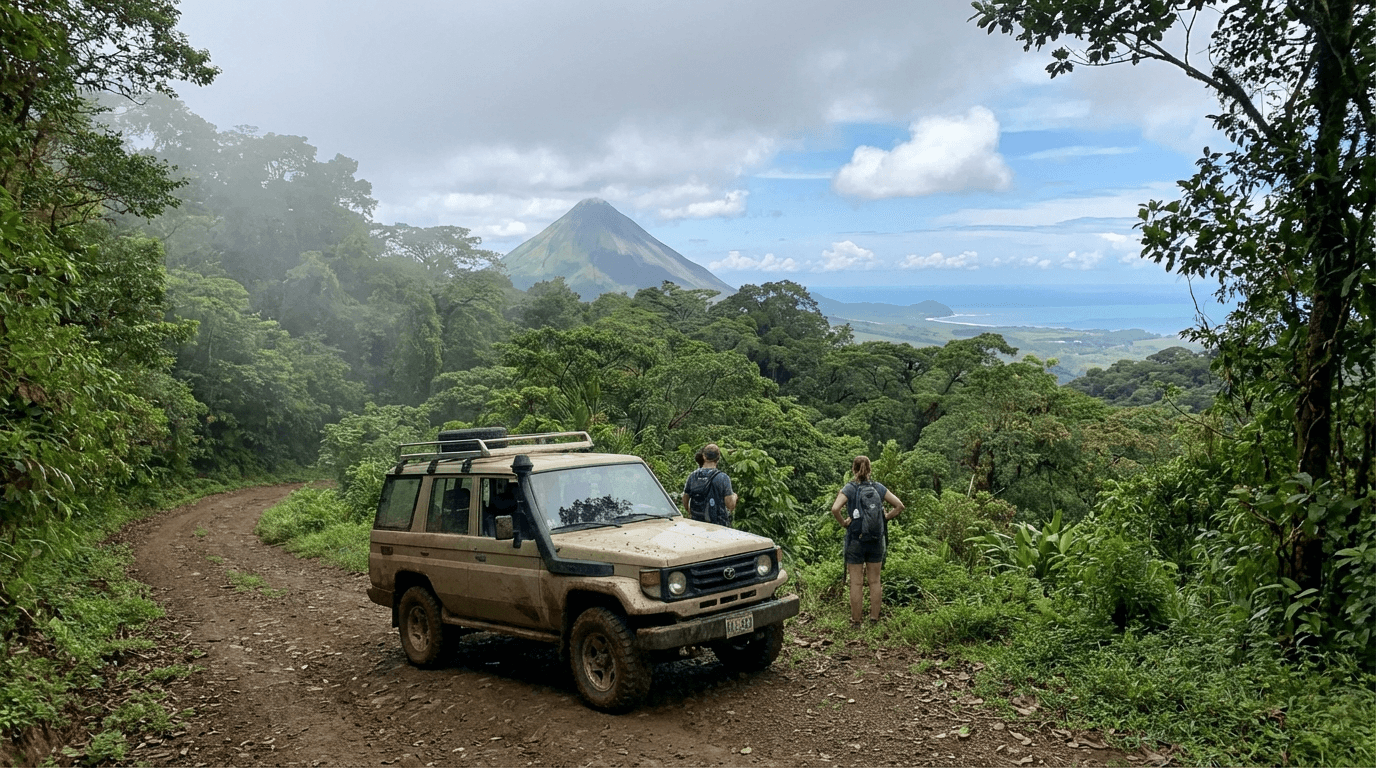
The road to La Fortuna winds through pineapple plantations and mountain towns before the cone of Arenal Volcano appears — dramatic, perfectly symmetrical, occasionally smoking. This is the adventure capital of Costa Rica, and for good reason.
Where to stay:
- Arenal Manoa Resort — Beautiful infinity pool facing the volcano, solid breakfast included. $110–$160/night
- Lost Iguana Resort — Jungle setting, volcano views, sublime. $180–$260/night
- La Choza Inn — Budget pick right in town. $35–$55/night
What to do:
- Arenal Volcano National Park (entry ~$18): Hike the El Ceibo or Los Tucanes trails through old lava fields. Views of the cone on clear mornings are breathtaking.
- La Fortuna Waterfall (~$20 entry): A 500-step descent to a 75-meter cascade. Swim in the pool at the base — cold, clear, magical.
- White-water rafting on the Balsa or Toro rivers (~$50–$75 with a guide) — Class III–IV rapids, good for beginners and experienced paddlers alike.
- Hot springs: Skip the overpriced Tabacón ($$$). Instead, head to Eco Termales (~$35) for a more intimate experience, or find the free hot river springs along the road to Tabacón at dusk.
Eat: Restaurante Nene's in La Fortuna town — no-frills Costa Rican food, huge portions, $6–$10 per plate. For something nicer, El Novillo del Arenal has great steaks with volcano views ($15–$25).
Days 5–6: Monteverde & Santa Elena
Drive time: ~3–4 hours from La Fortuna (jeep-boat-jeep taxi is faster and more fun — about $30 per person)
The road from Arenal to Monteverde via the lake crossing is one of Costa Rica's great small adventures: drive to the lake, take a 30-minute boat across, hop in a jeep on the other side, and climb up into the clouds. The last stretch to Santa Elena is notoriously rough — you'll earn those kilometers.
Where to stay:
- Arco Iris Lodge (Santa Elena) — Cozy wooden bungalows, Swiss-Costa Rican owners, lovely garden. $80–$130/night
- El Sueño Tranquilo — Hammocks, mountain views, relaxed vibe. $50–$80/night
- Selina Monteverde — Social atmosphere, great for solo travelers. $25–$50/night
What to do:
- Monteverde Cloud Forest Biological Reserve (~$26 entry): One of the world's most important reserves. Early morning guided walks ($35–$50 with naturalist guide) give you the best chance of spotting the resplendent quetzal.
- Santa Elena Cloud Forest Reserve (~$18): Less crowded, more budget-friendly, equally stunning.
- Ziplining at Extremo or Selvatura (~$55–$75): Monteverde basically invented canopy ziplines. Do it at least once.
- Hanging bridges at Selvatura or Mistico: Walk above the forest canopy on suspension bridges — extraordinary perspectives. ~$28.
- Night walk ($25–$35 with guide): When the forest truly comes alive — kinkajous, tarantulas, glass frogs.
Eat: Morpho's Restaurant in Santa Elena — beloved local spot, great gallo pinto and fruit batidos. Meals $8–$15. For craft beer and a social scene, Buen Muchacho Bar is the place.
Days 7–8: Guanacaste — Tamarindo or Nosara
Drive time: ~3.5 hours from Monteverde (descend to the Interamerican Highway, head north)
You drop out of the clouds and into the dry tropics. Guanacaste is Costa Rica's Gold Coast — sunburned, surf-soaked, and beloved by North Americans and Europeans who've been coming for decades. Choose your base:
Tamarindo — lively, touristy, great nightlife and surf schools. Perfect if you want action. Nosara — quieter, yoga-centric, world-class surf breaks. Better for those escaping the crowds.
Where to stay (Tamarindo):
- Hotel Pasatiempo — Pool, garden bar, comfortable rooms. $90–$140/night
- Witch's Rock Surf Camp — Surf-focused, energetic, lessons included. $60–$100/night
- Hostel La Botella de Leche — Budget, social, great location. $15–$25/night
Where to stay (Nosara):
- Harmony Hotel — Boutique eco-resort, gorgeous pool, farm-to-table restaurant. $200–$300/night
- Nosara Beach House — Mid-range, steps from Playa Guiones. $80–$130/night
What to do:
- Surf lessons in Tamarindo (~$40–$60 for 2 hours with a board): Playa Tamarindo has mellow beach breaks perfect for beginners.
- Sunset cruise from Tamarindo (~$65–$85): Dolphins, manta rays, cold beer, and a Pacific sunset.
- Rincon de la Vieja National Park (~$18): Active volcanic activity, mud pools, hot springs, and wildlife-rich trails. About 1.5 hours from Tamarindo.
- ATV tours through coastal dry forest (~$75–$120).
Eat (Tamarindo): Nogui's — legendary beachfront breakfast spot, $8–$14. Longboards Bar & Grill for burgers and sunset cocktails, $10–$20.
Days 9–10: Manuel Antonio
Drive time: ~5–6 hours from Tamarindo (south on Interamerican, turn off at Quepos)
This is the big one. Manuel Antonio National Park — tiny in size but extraordinary in concentration of wildlife — sits on a peninsula of rainforest-meets-Pacific. White-faced capuchins, three-toed sloths, scarlet macaws, and some of Costa Rica's most beautiful beaches all coexist within a few square kilometers.
Where to stay:
- Hotel Si Como No — Award-winning eco-resort, two pools, on-site cinema, lush gardens. $160–$240/night
- Arenas del Mar — Beachfront, exceptional. $250–$400/night
- Hostel Backpackers Manuel Antonio — Budget, pool, good vibes. $20–$35/night
What to do:
- Manuel Antonio National Park (~$20 entry, limited daily visitors — book online in advance): Hire a guide ($25–$40 for 2 hours) for wildlife spotting — they carry telescopes and know exactly where to look.
- Kayaking and snorkeling tours from Quepos (~$65–$85): Paddle around the park's marine edges, snorkel over coral.
- Rainmaker Aerial Walkway (~$20): Suspension bridges through primary rainforest, less visited than Monteverde.
- Quepos Saturday market: Fresh fruit, local cheese, artisanal chocolate.
Eat: La Cantina in Manuel Antonio — fantastic fish tacos and ceviche, $10–$18. Restaurant Barba Roja for sunset cocktails and views, $15–$25.
Days 11–12: Osa Peninsula — Puerto Jiménez & Corcovado
Drive time: ~3.5 hours from Manuel Antonio (via Palmar Norte, ferry or bridge across Golfo Dulce)
National Geographic called Corcovado "the most biologically intense place on Earth." That's not marketing — it's measurably true. The Osa Peninsula is raw, remote, and not for everyone. Roads flood. Electricity hiccups. Jaguars actually roam here. It's magnificent.
Getting there: Drive to La Palma or take the passenger ferry from Sierpe to Drake Bay. The road into Puerto Jiménez is paved now — easier than it used to be.
Where to stay:
- Iguana Lodge (Playa Platanares) — Gorgeous beachfront eco-lodge, yoga decks, excellent food. $150–$250/night
- Cabinas Jiménez — Simple, clean, right on the Golfo Dulce. $45–$70/night
- La Paloma Lodge (Drake Bay) — Remote luxury, guided tours included, all-inclusive from $300/night
What to do:
- Corcovado National Park day hike (~$15 park fee + $25 mandatory guide): Enter via San Pedrillo or La Leona station. Tapirs, peccaries, and all four Costa Rican monkey species in one day.
- Snorkeling or diving at Caño Island (~$85–$120): One of the top dive sites in the Eastern Pacific — whale sharks, manta rays, hammerheads.
- Kayaking the Golfo Dulce: Spot dolphins, humpback whales (seasonal), and nesting sea turtles.
Eat: Soda Carolina in Puerto Jiménez — the local institution. Rice, beans, fresh fish caught that morning. Under $8 for a full meal.
Practical note: Stock up on cash and snacks in Quepos or Palmar Norte. ATMs in Puerto Jiménez are unreliable.
Days 13–14: Caribbean Coast — Puerto Viejo de Talamanca
Drive time: ~7 hours from Osa (back through San José, down through Limón) — this is a long driving day; split it if needed with a night in San José.
The Caribbean side of Costa Rica is a different country culturally. Afro-Caribbean and Bribri indigenous influences shape everything — the food (rice and beans cooked in coconut milk, not the Pacific version), the music (reggae everywhere), the pace (deliciously slow), and the landscape (dense jungle, chocolate-colored rivers, aquamarine sea).
Where to stay:
- Samasati Nature Retreat — Hilltop jungle lodge with Caribbean views, yoga, stunning setting. $100–$160/night
- Casa Verde Lodge — Puerto Viejo institution, gardens, helpful staff. $55–$90/night
- Rocking J's — Legendary backpacker spot, hammock camping, mosaic murals. $12–$35/night
What to do:
- Tortuguero National Park (if you add a day): Boat through jungle canals, spot manatees, river otters, and nesting sea turtles. Best accessed from Limón.
- Playa Cocles and Playa Chiquita: The most beautiful beaches on the Caribbean coast — calm water, reef offshore, almost no crowd on weekdays.
- Jaguar Rescue Center ($15 guided tour): A wildlife rescue center in Playa Chiquita that releases sloths, monkeys, and raptors back into the wild. Extraordinary.
- Chocolate tour at Cariblue or Tirimbina (~$30): Learn how Bribri communities have grown and processed cacao for centuries. Taste everything.
- Rent bikes and cycle the coast road to Manzanillo — flat, scenic, 10 km each way.
Eat: Bread & Chocolate (Puerto Viejo) — legendary breakfast, French toast, local cacao smoothies, $8–$14. Stashu's Con Fusion for the best jerk chicken and Caribbean fusion you'll find, $12–$20. El Refugio Grill for sunset ceviche.
Practical Tips for the Whole Trip
Total budget estimate (2 people, mid-range):
- Accommodation: $80–$160/night average = ~$1,120–$2,240 total
- Food: $40–$70/day for two = ~$560–$980 total
- Activities: $500–$800 total
- Car rental + gas: ~$700–$1,000 total
- Grand total: $2,880–$5,020 for two people over 14 days
Navigation: Download Maps.me or Waze offline maps for Costa Rica before you leave San José. Cell service disappears in Osa and parts of the Caribbean coast.
Safety: Don't leave anything visible in your rental car — ever. Smash-and-grab theft is common at trailheads and beaches. Use hotel safes.
Wildlife: Never feed animals. Capuchins in Manuel Antonio are cute but will absolutely steal your lunch and scratch your face. Keep food in sealed bags.
Language: Spanish is universal. On the Caribbean coast, many locals speak Creole English as a first language — "respect" goes a long way.
Pura vida: It's not just a tourist slogan. It's genuinely how people move through life here. You'll stop rushing somewhere around day 4. Let it happen.
Costa Rica in two weeks won't show you everything — nothing could. But this route gives you the full emotional arc: from cloud forest mystery to Pacific wildness to Caribbean soul. You'll come back changed, slightly sunburned, and already planning the return trip.
Pura vida.

About the Author
Hotels CA TeamEditorial Research Team
Hotels CA Team is the editorial desk behind these Central America hotel and travel guides. We research public property information, official sources, and traveler feedback. A hotel page is not a personal visit unless the article says so.