Best Eco-Lodges in Costa Rica: Sustainable Luxury in the Rainforest
Your complete guide to Costa Rica's best eco-lodges. From cloud forest sanctuaries to Pacific coast retreats, find sustainable luxury that protects the planet.
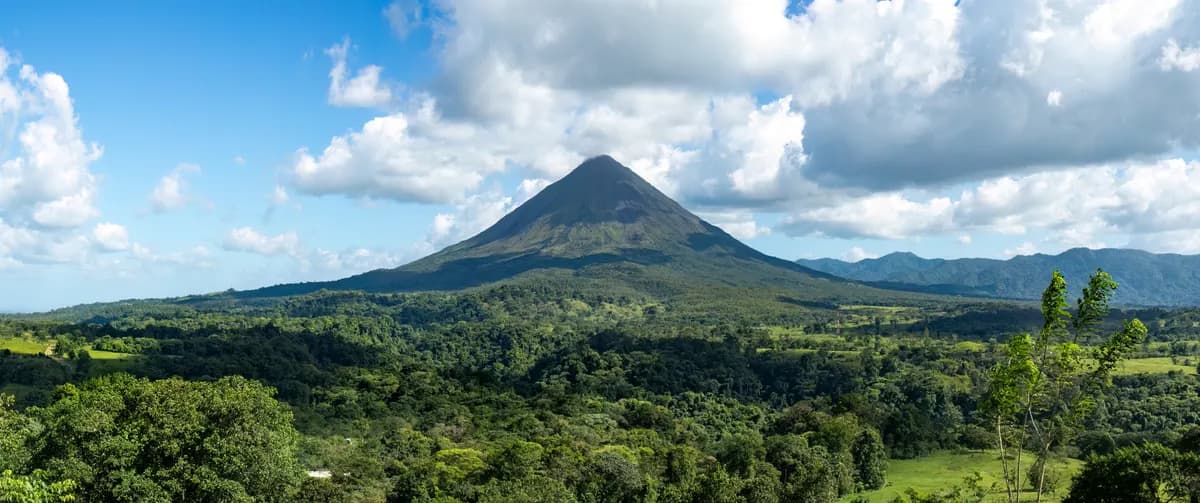
Table of Contents
Costa Rica: The Birthplace of Eco-Tourism
Costa Rica didn't just adopt eco-tourism — it invented the modern concept. When the country began setting aside vast tracts of rainforest as national parks and biological reserves in the 1970s and 1980s, a new kind of traveler emerged: one who wanted to experience pristine nature without destroying it. Today, nearly 30% of Costa Rica's territory is protected, and the country's commitment to sustainability has made it the gold standard for eco-tourism worldwide.
That philosophy extends naturally to accommodation. Costa Rica's eco-lodges are not rustic camping experiences disguised as hotels. The best properties combine genuine environmental stewardship — solar power, rainwater harvesting, organic gardens, wildlife corridors, carbon neutrality — with the kind of comfort and service that would satisfy any luxury traveler. The result is an experience where you sleep in a beautifully designed room, eat exceptional food, and wake up to howler monkeys and toucans outside your window, all while knowing your stay actively supports conservation.
This guide covers the best eco-lodges across Costa Rica's diverse landscapes, from volcanic highlands to coastal rainforest, helping you find the property that matches your priorities.
The Osa Peninsula: Costa Rica's Wild Heart
The Osa Peninsula in southwestern Costa Rica is widely considered the most biologically intense place on earth. National Geographic called it one of the most biodiverse regions on the planet, and Corcovado National Park — which covers a third of the peninsula — harbors an almost unimaginable concentration of wildlife: all four Costa Rican monkey species, tapirs, jaguars, scarlet macaws, and more than 400 species of birds.
The lodges on the Osa tend to be remote, accessed by small aircraft or unpaved roads, and that remoteness is precisely the point. You come here to disconnect from the modern world and immerse yourself in primary rainforest.
Lapa Rios Lodge is the flagship eco-lodge of the Osa Peninsula and one of the most celebrated sustainable properties in Latin America. Set within a 1,000-acre private nature reserve on a ridge overlooking the Pacific Ocean where it meets the Golfo Dulce, Lapa Rios operates on a philosophy of using tourism to protect the rainforest. The lodge's 17 bungalows are built from sustainably harvested local wood and designed to blend into the jungle canopy. There are no TVs, no air conditioning (ocean breezes handle that), and no minibar — but there are open-air showers with forest views, a stunning infinity pool, and some of the best naturalist guides in the country.
What sets Lapa Rios apart is the depth of its conservation commitment. The lodge employs exclusively from surrounding communities, operates its own environmental education program for local schools, and has helped increase forest cover on the Osa by protecting its reserve from logging. Every guest stay directly funds these initiatives.
The Cloud Forest: Mystical Heights
Costa Rica's cloud forests — found at elevations between 1,400 and 1,800 meters — are among the most atmospheric landscapes on earth. Perpetual mist drifts through moss-covered trees draped in epiphytes and orchids, and the forests are home to the resplendent quetzal, one of the most sought-after bird sightings in the Americas.
Hotel & Spa Quelitales offers a boutique cloud forest experience in the highlands of Cartago, about 90 minutes from San José. This intimate property sits within its own cloud forest reserve and features a volcanic mineral spa, organic gardens that supply the restaurant kitchen, and guided birdwatching walks that regularly produce quetzal sightings. The lodge's commitment to sustainability includes solar hot water, organic waste composting, and chemical-free operations throughout. For travelers who want to experience the cloud forest without the crowds of Monteverde, Quelitales is an excellent alternative.
Arenal and the Northern Lowlands
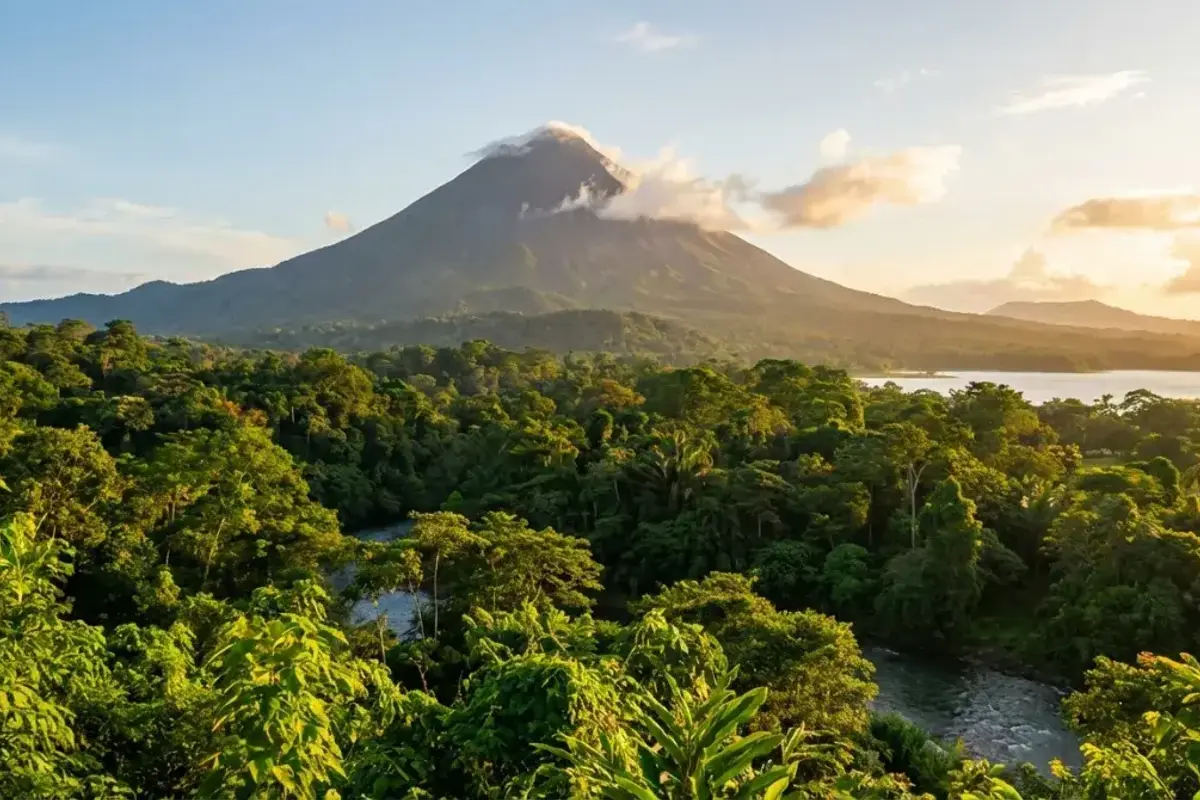
The Arenal Volcano area in Costa Rica's northern lowlands combines dramatic volcanic scenery with lush tropical rainforest and natural hot springs. The region has become one of the country's most popular destinations, but the best eco-lodges here manage to feel secluded despite the area's popularity.
Hotel Nayara Arenal represents the pinnacle of eco-luxury in the Arenal region. While the Nayara collection — comprising Nayara Gardens, Nayara Springs, and Nayara Tented Camp — is undeniably luxurious, the properties are built on a genuine foundation of environmental responsibility. The buildings were threaded between existing trees rather than clearing the forest, and the extensive gardens were planted specifically to attract wildlife. Resident naturalists lead daily walks, and guests regularly spot sloths, toucans, and hummingbirds from their private villas.
Nayara Springs holds the distinction of being the first hotel in Costa Rica to receive Three Michelin Keys, and the collection has been repeatedly ranked among the top hotels in Central America. For travelers who want both world-class luxury and meaningful environmental credentials, it is hard to do better.
The Central Valley: Coffee Country
Costa Rica's Central Valley — the highland plateau between the major volcanic ranges — is coffee country, and several eco-lodges here combine sustainability with the country's most important agricultural tradition.
Finca Rosa Blanca Coffee Plantation Resort sits in the hills above Heredia with panoramic views of the Central Valley and surrounding volcanoes. This boutique property operates its own organic coffee plantation, and the Coffee Tour is one of the most popular activities — guests follow the journey from cherry to cup while learning about sustainable shade-grown cultivation practices.
The lodge's architecture is striking: the main building is a fantasy of curves and hand-painted murals inspired by the work of Antonio Gaudí. Each room is individually designed with local artwork, and the property runs on a comprehensive sustainability program that has earned it multiple certifications. The on-site restaurant sources ingredients from the organic garden and local producers, creating a true farm-to-table experience.
The Pacific Coast: Where Jungle Meets Sea
Costa Rica's Pacific coast offers a different eco-lodge experience: tropical dry forest and lush rainforest tumbling down to warm-water beaches, with opportunities for surfing, snorkeling, and whale watching alongside the usual wildlife encounters.
Si Como No Resort in Manuel Antonio is one of the pioneers of sustainable tourism on the Pacific coast. This four-star eco-certified resort sits on a forested hillside overlooking the Pacific, with Manuel Antonio National Park — one of the most visited parks in the country — practically at its doorstep. The resort operates a butterfly garden and wildlife sanctuary, uses solar panels for water heating, and has earned Costa Rica's highest sustainability certification (5 Leaves).
What makes Si Como No particularly accessible is its proximity to Manuel Antonio's beaches and trails. Guests can walk to the national park entrance, then return to the resort's tropical pools, outdoor cinema, and excellent restaurant. It proves that sustainability and convenience are not mutually exclusive.
Further south, Kura Design Villas in Uvita takes eco-luxury to an architectural extreme. This adults-only boutique hotel perches above the jungle canopy with infinity pools that seem to merge with the Pacific Ocean below. The design is ultra-modern — all clean lines and floor-to-ceiling glass — but the environmental ethos is serious: solar power, rainwater collection, local sourcing, and a commitment to minimal footprint on the surrounding forest. The views of the famous Whale's Tail (Marino Ballena National Park) are extraordinary, and humpback whale watching from December to April adds another dimension to the experience.
What Makes a True Eco-Lodge?
Not every hotel that calls itself "eco" deserves the label. In Costa Rica, look for these indicators of genuine sustainability:
-
CST Certification: Costa Rica's Certification for Sustainable Tourism (CST) is a government-run program that evaluates hotels on four criteria: physical-biological environment, infrastructure, external clients, and socioeconomic impact. Properties are rated from 1 to 5 Leaves, with 5 being the highest. Look for at least 3 Leaves.
-
Bandera Azul Ecológica: The Blue Flag ecological certification is awarded to communities and businesses that meet specific environmental standards. Many eco-lodges display this certification.
-
Local employment: True eco-lodges hire from surrounding communities. Ask about the percentage of local staff.
-
Conservation programs: The best properties operate their own reserves, fund conservation research, or support environmental education. This goes beyond simply recycling.
-
Energy and water: Solar power, rainwater harvesting, greywater recycling, and energy-efficient design are baseline expectations for a genuine eco-lodge.
-
Food sourcing: Organic gardens, relationships with local farmers, and farm-to-table dining reduce food miles and support the local economy.
Planning Your Eco-Lodge Trip
Best Time to Visit
Costa Rica has two main seasons: dry (December–April) and green/rainy (May–November). The dry season offers reliable sunshine but higher prices and more crowds. The green season brings afternoon rain showers — which rarely last long — along with lower rates, fewer tourists, and lusher, more vibrant vegetation. Many eco-lodges actually recommend the green season because wildlife activity increases and the forests are at their most beautiful.
Getting Around
Most eco-lodges are in rural or remote areas. Renting a 4x4 vehicle gives you the most flexibility, but many lodges also arrange private transfers from San José or the regional airports in Liberia and Quepos. Domestic flights on SANSA airlines can save hours of driving, particularly to the Osa Peninsula.
Budget
Eco-lodges in Costa Rica span a wide price range:
- Budget eco-lodges: $80–$150/night — Basic but clean facilities with genuine sustainability practices
- Mid-range eco-lodges: $150–$350/night — Comfortable rooms, good food, guided activities included
- Luxury eco-lodges: $350–$1,200+/night — World-class design, personalized service, gourmet dining
Most rates include breakfast, and many include guided nature walks. Full meal plans and activity packages can simplify budgeting.
The Future of Eco-Tourism in Costa Rica
Costa Rica has set an ambitious goal to become completely carbon-neutral, and the hospitality industry is a critical part of that vision. New eco-lodges continue to open with increasingly innovative sustainability features — from biogas digesters to wildlife bridges that connect fragmented habitats — while established properties deepen their commitment through expanded conservation programs.
For travelers, this means that choosing an eco-lodge in Costa Rica is not just an accommodation decision — it is a vote for a model of tourism that protects rather than exploits. The lodges featured in this guide prove that you can sleep in extraordinary comfort, eat magnificent food, and have experiences that will stay with you for a lifetime, all while leaving the forest a little better than you found it.
For more eco-lodge options across the region, explore our guide to the best eco-lodges in Central America.
FAQ
What is the best eco-lodge in Costa Rica for wildlife?
Lapa Rios Lodge on the Osa Peninsula offers the most immersive wildlife experience, with all four monkey species, scarlet macaws, and even occasional jaguar sightings within its 1,000-acre private reserve.
Are Costa Rica eco-lodges suitable for families?
Many are. Si Como No Resort and Nayara Gardens both welcome families and offer activities designed for children. The Osa Peninsula lodges tend to be better suited for older children and adults due to the remote location.
Do eco-lodges have air conditioning?
Some do, some don't. Highland cloud forest lodges don't need it. Coastal and lowland properties increasingly use energy-efficient cooling systems, though some rely on natural ventilation and ceiling fans — which works well in most locations.
How do I know if an eco-lodge is genuinely sustainable?
Look for Costa Rica's CST certification (aim for 3+ Leaves), Bandera Azul Ecológica awards, and specific information about their conservation programs, energy sources, and community employment practices.

About the Author
Hotels CA TeamEditorial Research Team
Hotels CA Team is the editorial desk behind these Central America hotel and travel guides. We research public property information, official sources, and traveler feedback. A hotel page is not a personal visit unless the article says so.