Best Time to Visit El Salvador: Surfing, Weather & Travel Guide
Plan your El Salvador trip with our guide to weather patterns, surf seasons, festivals, and the best months for beaches and volcanoes.
Table of Contents
Why Timing Matters in El Salvador
El Salvador is Central America's smallest country, but its compact size does not mean uniform weather. From the Pacific surf beaches of El Tunco and Las Flores to the highland coffee towns along the Ruta de las Flores and the volcanic peaks that dot the landscape, elevation and geography create meaningful variations in temperature, rainfall, and conditions for different activities. Getting the timing right can mean the difference between world-class surf and flat ocean, between wildflower-covered mountain slopes and dry, brown hillsides.
The country follows the standard Central American two-season pattern: a dry season from November through April and a rainy season from May through October. Temperatures remain warm year-round at lower elevations, typically between 28 and 35 degrees Celsius along the coast, while the highlands around towns like Juayua and Apaneca sit comfortably between 18 and 25 degrees Celsius. With no Caribbean coast to complicate the picture, El Salvador's weather patterns are more straightforward than those of its neighbors, making trip planning relatively simple once you understand the seasonal rhythm.
Dry Season (November to April)
The dry season is the most popular time to visit El Salvador, and for good reason. Clear skies prevail across the country, roads are in good condition, and the full range of outdoor activities from volcano hikes to beach days are available without the interruption of afternoon storms.
November marks the transition from rainy to dry season. The final showers clear out in the first two weeks, and by mid-November the country settles into a pattern of sunny days with comfortable temperatures. This is an underrated month to visit -- prices have not yet climbed to peak levels, the landscape is still green from the rains, and the first waves of the dry season bring a refreshed energy to the surf towns along the coast.
December brings the holiday season and an uptick in both domestic and international visitors. Christmas and New Year celebrations are lively throughout the country, with towns decorating their central plazas and hosting posadas (nativity processions) in the evenings. Beach towns like El Tunco and El Cuco fill up during the final two weeks of the month. Temperatures are pleasant, with cool evenings in the highlands making it one of the most comfortable months for hiking.
January and February are considered the best overall months to visit El Salvador. Rainfall is at its lowest, humidity is moderate, and the weather is ideal for everything from surfing to exploring Joya de Ceren (the "Pompeii of the Americas") to driving the Ruta de las Flores. The highland coffee towns are in the middle of their harvest season, and visitors can tour working fincas to learn about El Salvador's renowned specialty coffee. Whale watching off the coast, while not as established as in Costa Rica, is possible during these months as humpback whales migrate through Pacific waters.
March and April are the hottest and driest months. Temperatures along the coast can exceed 35 degrees Celsius, and the air feels thick and heavy in the lowlands. The highlands offer relief, with their cooler temperatures and shade-grown coffee forests. Semana Santa (Easter week) is the biggest travel period of the year, when Salvadoran families head to the beaches en masse. If you want to experience Semana Santa traditions -- particularly the elaborate processions and carpet-making in Suchitoto and other colonial towns -- plan well ahead and book accommodation early. Otherwise, consider timing your trip to avoid this extremely crowded week.
Rainy Season (May to October)
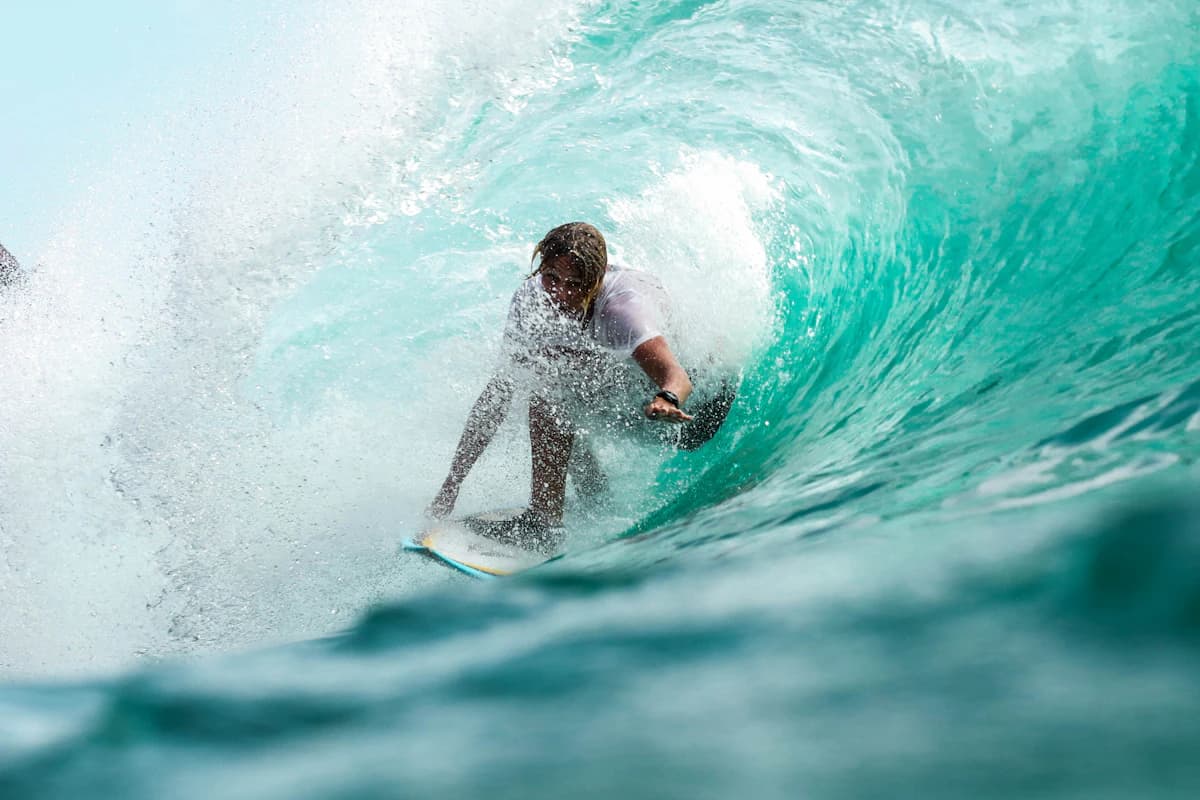
The rainy season transforms El Salvador from a dry, dusty landscape into a lush tropical garden. The rains are not constant -- they follow a predictable afternoon pattern that leaves mornings free for activities. For surfers, the rainy season brings the biggest and most consistent swells of the year, making it the prime time to hit the waves along the Pacific coast.
May and June bring the onset of the rains. Showers are moderate at first, arriving in the mid to late afternoon and rarely lasting more than a couple of hours. The countryside greens up rapidly, and waterfalls that dried to a trickle during the dry months come roaring back. These are excellent months for photographers, as the combination of lush vegetation, volcanic backdrops, and dramatic cloud formations creates spectacular scenery.
July and August see heavier and more consistent rainfall, though the mornings remain sunny and warm. The Ruta de las Flores is at its most beautiful during this period, with flowering trees and tropical plants creating a riot of color along the highland route. Food festivals in towns like Juayua, Ataco, and Apaneca continue throughout the rainy season, offering visitors the chance to sample Salvadoran cuisine at weekend gastronomic fairs.
September and October are the wettest months and come with the highest risk of tropical storms. Heavy rains can cause flooding in low-lying areas and landslides on mountain roads. This is the lowest period for tourism, which means rock-bottom prices and an authentic experience of daily life in El Salvador. Surfers continue to enjoy excellent waves, particularly at breaks like Punta Roca in La Libertad and Las Flores on the eastern coast. The rains begin to ease in late October, previewing the return of dry conditions.
Surfing in El Salvador
El Salvador has emerged as one of the top surfing destinations in Central America, and understanding the surf seasons is crucial for wave-seeking travelers.
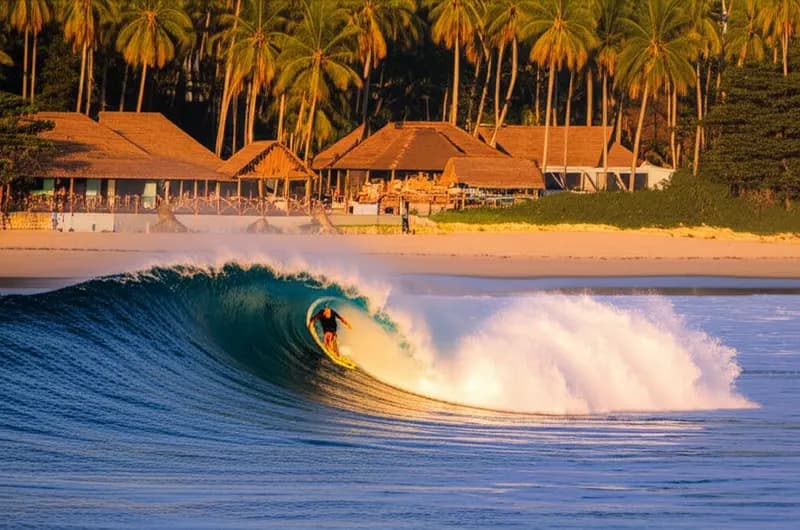
Dry season surf (November to April): Swells are generally smaller and less consistent during the dry season, but the conditions are clean and glassy, particularly in the early morning. This period is ideal for intermediate surfers and beginners, with manageable wave sizes at breaks like El Tunco, Sunzal, and El Zonte. Offshore winds are more common, grooming the waves into clean, peeling lines.
Rainy season surf (May to October): This is prime surf season in El Salvador. South and southwest swells generated by storms in the southern Pacific push consistent waves to the coast, with overhead and larger sets arriving regularly at exposed breaks. Punta Roca, one of the most famous right-hand point breaks in Central America, comes alive during this period with long, powerful waves that draw experienced surfers from around the world. Las Flores on the eastern coast offers a similarly world-class right-hand point break in a more remote setting.
Year-round surf spots: El Tunco and the La Libertad area have rideable waves virtually every day of the year, making El Salvador a reliable surfing destination regardless of when you visit. Water temperatures stay between 27 and 30 degrees Celsius year-round, so a rash guard or thin spring suit is all you need.
The Ruta de las Flores
The Ruta de las Flores (Route of the Flowers) is a scenic highland drive connecting a string of charming mountain towns between Sonsonate and Ahuachapan. This region is one of El Salvador's premier attractions, and the timing of your visit significantly affects the experience.
Best time for flowers (May to October): The route earns its name during the rainy season, when the highland slopes burst into bloom. Flowering trees, tropical plants, and cultivated gardens create a colorful display that is most vivid from June to August. The countryside is intensely green, and the cooler mountain temperatures provide relief from the coastal heat.
Best time for coffee (November to March): The coffee harvest season transforms the Ruta de las Flores towns into hubs of activity. Working fincas welcome visitors for tours and tastings, and the sweet aroma of drying coffee beans fills the mountain air. El Salvador's coffee industry has earned international recognition for its specialty varieties, and experiencing the harvest firsthand is a highlight of any visit.
Weekend food festivals (year-round): The town of Juayua hosts a famous gastronomic fair every weekend, rain or shine. Dozens of food stalls serve traditional Salvadoran dishes, grilled meats, and international fare in the town's central plaza. Similar but smaller festivals occur in Ataco and Apaneca. These weekend markets are liveliest during the dry season but continue throughout the year.
Volcano Hiking
El Salvador sits along the Pacific Ring of Fire and is home to more than 20 volcanoes, several of which offer excellent hiking opportunities.
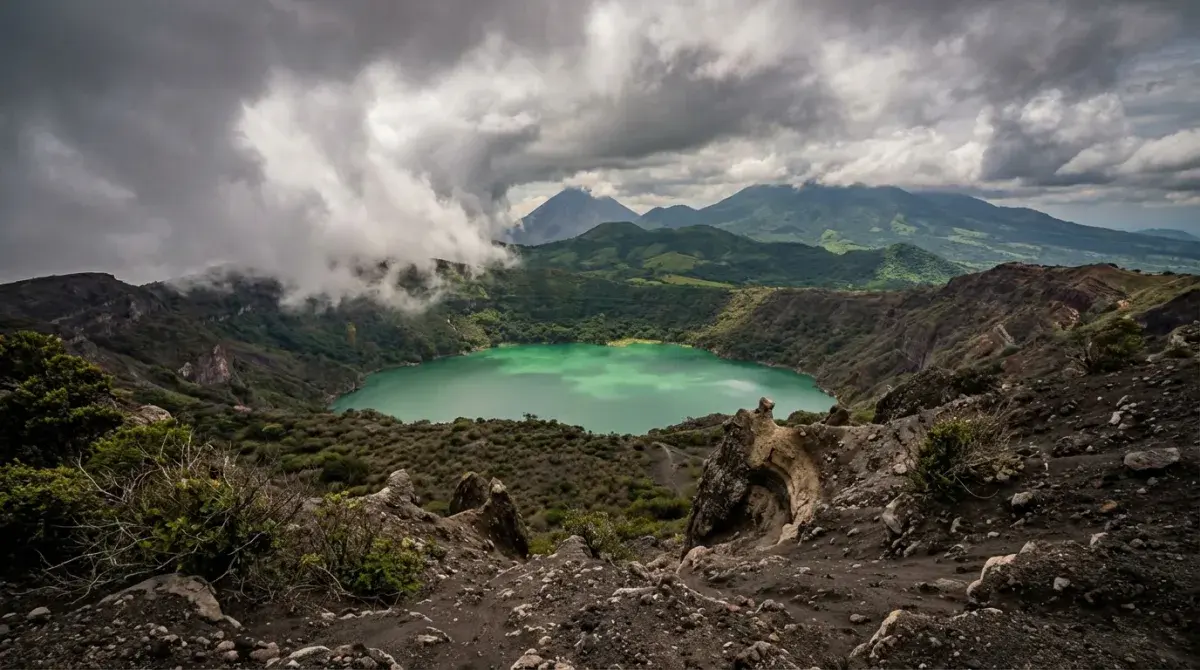
Best hiking season (November to March): The dry season provides the most comfortable conditions for volcano hikes, with clear skies offering panoramic views from the summits. Santa Ana Volcano (Ilamatepec), the country's highest peak at 2,381 meters, is best climbed during this period for the clearest views of the stunning turquoise crater lake. The Izalco Volcano, known as the "Lighthouse of the Pacific" for its nearly perfect cone shape, is also best hiked during the dry months.
Rainy season hiking (May to October): Volcano hikes are still possible during the rainy season if you start early in the morning and aim to reach the summit before the afternoon clouds roll in. Trails can be muddy and slippery, so proper footwear with good traction is essential. The upside is far fewer hikers on the trail and a lusher, more atmospheric landscape.
El Boqueron (San Salvador Volcano): This volcano at the edge of the capital is accessible year-round and makes for a half-day outing. The crater rim walk offers views into the nested inner crater and across the city below. Early morning visits during the dry season provide the best conditions.
Festivals and Cultural Events
Fiestas Agostinas (August 1-7): The August festivals in San Salvador celebrate the city's patron saint, El Salvador del Mundo (the Savior of the World). A massive street parade, carnival rides, concerts, and traditional food stalls fill the capital for a full week. The celebration reaches its peak on August 6 with the Bajada, a religious procession that draws hundreds of thousands of spectators.
Semana Santa (March or April): Holy Week is observed with fervent devotion across El Salvador. Suchitoto, a beautifully preserved colonial town overlooking Lake Suchitlan, hosts some of the most elaborate processions and sawdust carpets. San Miguel and Santa Ana also hold significant celebrations. Expect everything to slow down or close during the final days of the week.
Day of the Dead (November 2): Salvadorans honor deceased family members by visiting cemeteries and decorating graves with flowers. The atmosphere is festive rather than somber, with families sharing food and stories at gravesides. Some communities hold candlelit vigils the night before.
Festival de Maiz (August): Held in various towns, this festival celebrates corn in all its forms -- pupusas, tamales, atol, and dozens of other corn-based dishes and drinks that form the foundation of Salvadoran cuisine.
Budget Tips by Season
Cheapest months (May, June, September, October): Hotel rates drop 25 to 40 percent, surf hostels in El Tunco and El Zonte offer rainy-season specials, and domestic transportation costs less. This is the time to negotiate rates directly with smaller properties.
Moderate months (July, August, November, December except holidays): Summer holiday visitors from North America bring some additional demand in July and August. November and early December offer excellent value with good weather.
Most expensive (January to April, Christmas week, Fiestas Agostinas week): Dry season pricing peaks during Semana Santa and the Christmas holidays. The Fiestas Agostinas in August also drive up prices in San Salvador.
General savings tips:
- Pupusas, the national dish, cost between $0.25 and $0.75 each at local pupuserias and make for filling, inexpensive meals
- Use local buses (chicken buses) for intercity travel at a fraction of shuttle prices
- Stay in surf hostels along the coast for budget-friendly accommodation with a social atmosphere
- Visit the free weekend food festivals along the Ruta de las Flores as an alternative to restaurant dining
- El Salvador uses the US dollar, eliminating currency exchange fees for American travelers
Frequently Asked Questions
Is El Salvador safe for tourists?
El Salvador has made significant strides in improving safety for tourists in recent years. Popular tourist areas like El Tunco, the Ruta de las Flores, Suchitoto, and the national parks are generally safe and welcoming. Standard travel precautions apply: avoid displaying expensive jewelry or electronics, use registered taxis or rideshares, and stay aware of your surroundings, particularly after dark. The tourism infrastructure has grown considerably, with more hotels, tour operators, and services catering specifically to international visitors. Most travelers report positive experiences and find Salvadorans to be some of the friendliest people in Central America.
What is the best month for surfing in El Salvador?
For experienced surfers seeking the biggest and most consistent waves, June through September is the prime season. South swells push powerful waves to the Pacific coast, and breaks like Punta Roca and Las Flores produce world-class conditions. For intermediate surfers and beginners, December through March offers cleaner, smaller waves with glassy morning conditions at user-friendly breaks like El Tunco and Sunzal. The beauty of El Salvador is that rideable waves exist year-round, so you are unlikely to have a completely flat visit regardless of when you come.
How many days do I need in El Salvador?
A minimum of five to seven days allows you to experience the highlights: two to three days on the coast for surfing and beach time, one to two days exploring the Ruta de las Flores, and one day for a volcano hike or a visit to Joya de Ceren. With ten days or more, you can add Suchitoto, the eastern surf breaks near Las Flores, and deeper exploration of the highland coffee region. El Salvador's small size means travel times between destinations are short, typically two to four hours at most, allowing you to see a lot in a compact trip.
Can I combine a trip to El Salvador with other Central American countries?
Yes, El Salvador is well-positioned for multi-country trips. It shares borders with Guatemala and Honduras, and the CA-4 visa agreement allows travelers from many countries to move freely between El Salvador, Guatemala, Honduras, and Nicaragua on a single 90-day visa stamp. Common combination trips include El Salvador and Guatemala (adding Antigua and Lake Atitlan) or El Salvador and Honduras (adding Copan Ruins and the Bay Islands). Land border crossings are straightforward, and international bus services like Tica Bus and Pullmantur connect the capitals.
Conclusion
El Salvador offers a compelling travel experience in any season. The dry season from November to April provides the most predictable weather, the best conditions for volcano hikes and highland exploration, and the heart of the coffee harvest season. The rainy season from May to October brings the country's best surfing, the most beautiful landscapes along the Ruta de las Flores, and prices that make this already-affordable destination even easier on the budget. With its compact geography, warm hospitality, and growing tourism infrastructure, El Salvador rewards visitors whenever they choose to come. The country's rising profile as a surf and coffee destination makes it one of Central America's most exciting places to explore, and the best time to visit depends simply on whether you prioritize waves, weather, or wildflowers.

About the Author
Hotels CA TeamEditorial Research Team
Hotels CA Team is the editorial desk behind these Central America hotel and travel guides. We research public property information, official sources, and traveler feedback. A hotel page is not a personal visit unless the article says so.