Is El Salvador Cheap to Visit in 2026? Daily Costs and What to Budget
El Salvador is one of Central America's cheapest trips in 2026. Daily budgets, pupusa prices, surf-town hotels, and how much money to bring.
Table of Contents
Is El Salvador cheap in 2026?
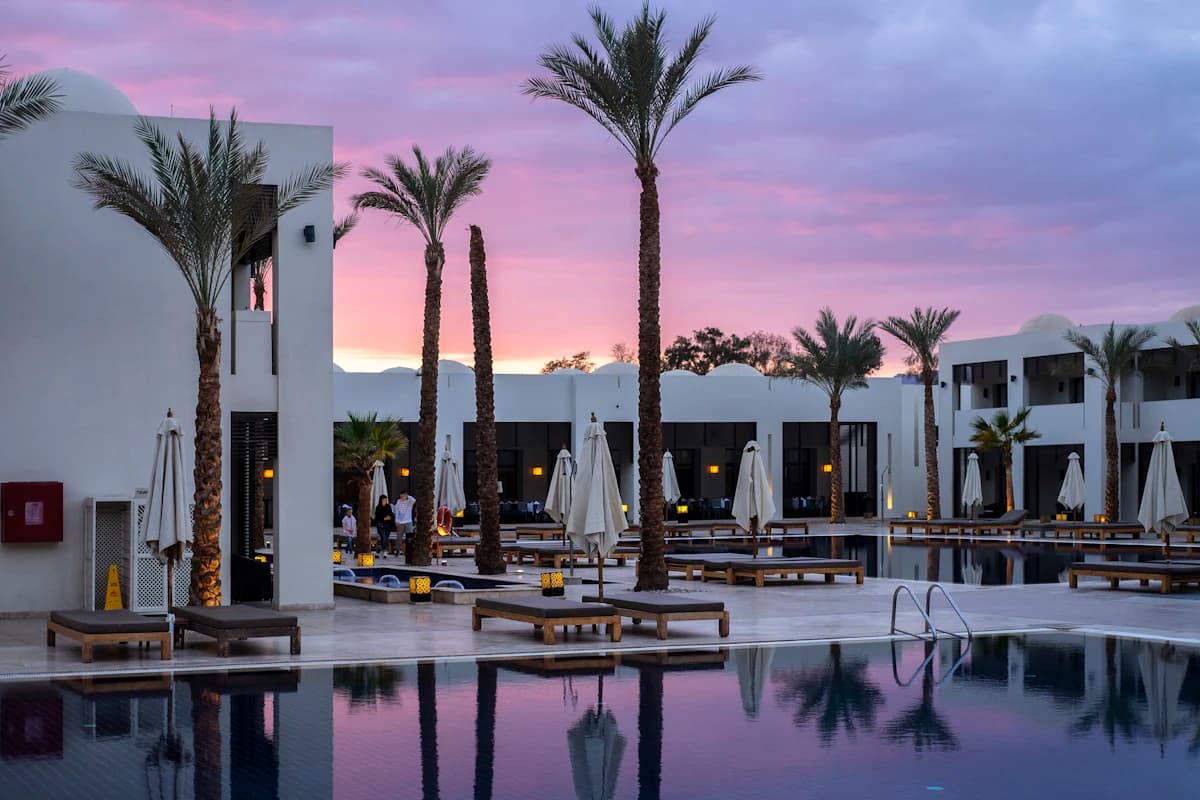
Short answer: yes, compared with Costa Rica and even with well-touristed parts of Guatemala. A backpacker can keep a real trip near $25–40 per day. Mid-range travelers who want a surf-town hotel, restaurant meals, and Uber in San Salvador should plan $50–85. Luxury stays on the Bálsamo coast or in the capital run $120–250+. The country uses the US dollar, so there is no exchange-rate surprise for US visitors.
Prices below are 2026 planning ranges. Confirm hotel quotes and park fees before you travel. For a cheaper-neighbor comparison use the Nicaragua daily-cost guide; for a multi-country route see the 2026 backpacking itinerary.
Why El Salvador stays cheap (pupusas, dollars, short buses)
El Salvador is Central America's smallest country and one of its most affordable travel destinations. For years overshadowed by its neighbors, El Salvador has emerged as a genuine contender for budget-conscious travelers who want great surf, volcanic landscapes, colonial towns, and outstanding food without the prices of Costa Rica or the crowds of Guatemala's tourist trail. The country officially uses the US dollar, which eliminates exchange rate worries for American travelers and simplifies budgeting for everyone.
What makes El Salvador stand out on a budget is the combination of low prices and concentrated geography. You can surf world-class waves in the morning, hike a volcano in the afternoon, and eat pupusas for dinner, all for less than $40 a day. The country is small enough that no bus ride takes more than four or five hours, keeping transport costs low. And the food, especially the iconic pupusa, is arguably the best budget meal in all of Central America.
The Pupusa Economy
No budget guide to El Salvador would be complete without leading with the pupusa. These thick corn tortillas stuffed with cheese, beans, pork (chicharron), or loroco (a local flower bud) are the national dish and the backbone of affordable eating in the country. A single pupusa costs $0.35-0.75 depending on location and filling. Three pupusas with curtido (cabbage slaw) and tomato sauce make a full meal for $1-2.25. You could theoretically eat three pupusa meals a day for under $5. No other country in Central America offers a comparable staple food at this price point.
Pupuserias are everywhere, from roadside stands to sit-down restaurants. Sunday evenings are the traditional pupusa time, and whole families gather at their favorite pupuseria.
Average Daily Budget Breakdown
| Category | Budget ($25-40/day) | Mid-Range ($50-85/day) | Luxury ($120-250+/day) |
|---|---|---|---|
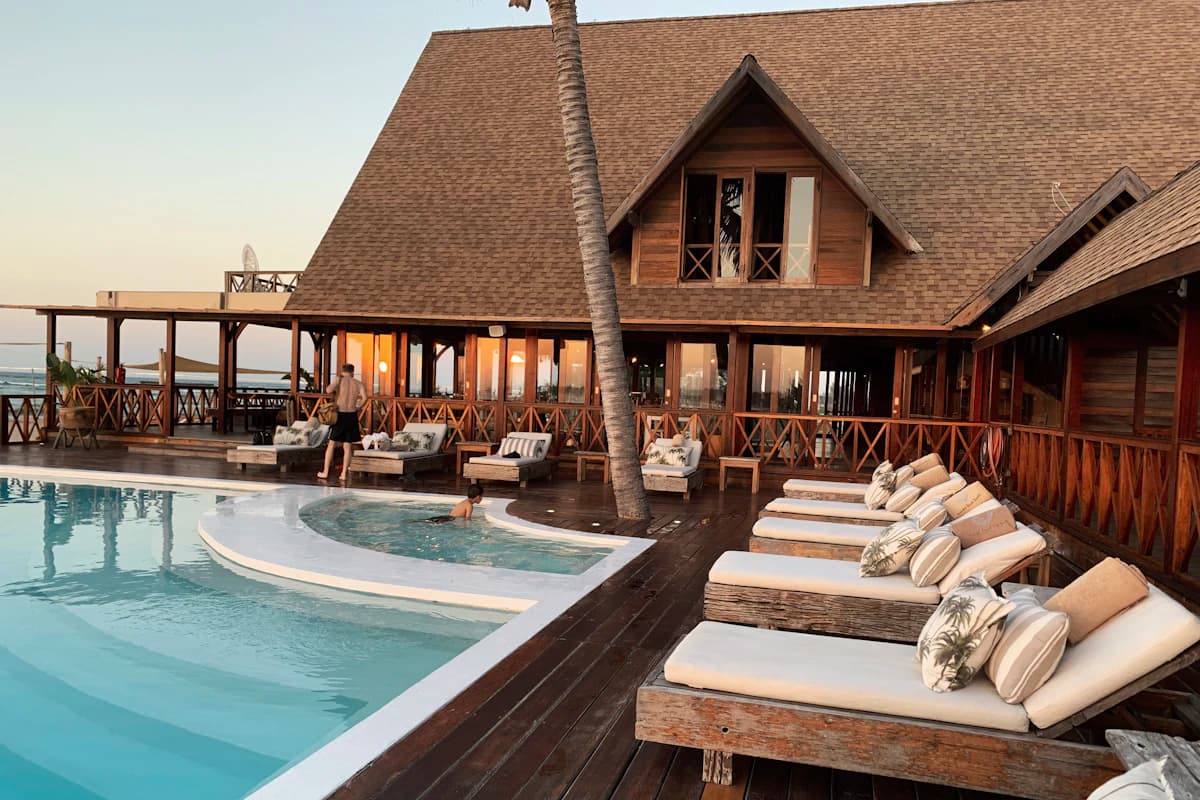
| Accommodation | $6-15 (hostels, guesthouses) | $25-50 (boutique hotels, surf lodges) | $80-180 (luxury hotels, resorts) |
| Food | $5-10 (pupuserias, comedores) | $12-22 (restaurants, cafes) | $30-60 (fine dining, hotel restaurants) |
| Transport | $2-5 (public buses) | $8-15 (Uber, shuttles) | $20-50 (private drivers, rental car) |
| Activities | $3-8 (hiking, beaches, markets) | $10-20 (tours, entrance fees) | $25-60 (private tours, surf lessons) |
| Miscellaneous | $2-4 | $4-8 | $8-20 |
El Salvador is consistently one of the two or three cheapest countries in Central America, rivaling Honduras and Nicaragua for affordability.
Accommodation Costs
El Tunco and the Surf Coast
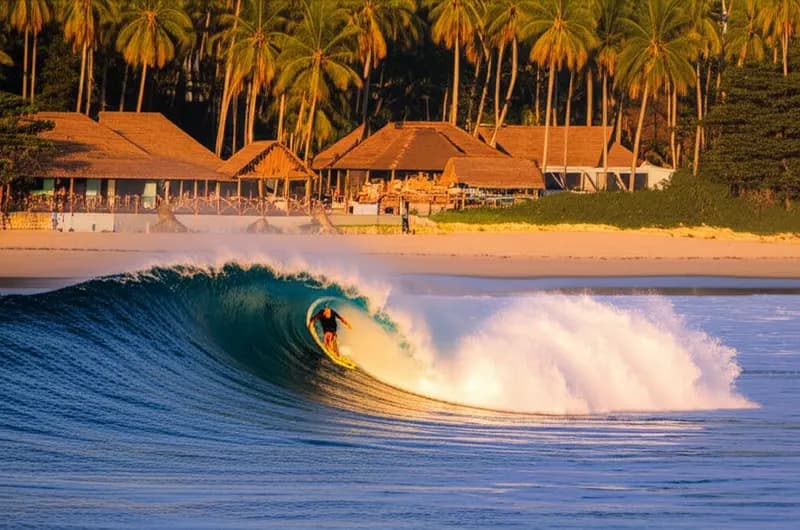
El Tunco is the main surf and nightlife hub along the coast. Hostel dorms start at $8-15 per night. Private rooms in guesthouses run $20-35. Surf lodges with pools and ocean proximity cost $40-80 per night. The upscale Las Flores Resort, east of El Tunco, charges $150-250 per night for a premium surf experience with private beach access.
Further along the coast, quieter surf spots like El Zonte and El Sunzal offer cabins and guesthouses for $15-40 per night. El Zonte in particular has developed a reputation as a Bitcoin-friendly community with a growing number of hostels and cafes.
San Salvador
The capital has business hotels in the $40-80 range in areas like Zona Rosa and Colonia Escalon. Budget travelers can find hostels for $8-15 per night. The Sheraton Presidente and other upscale hotels cost $100-180 per night. San Salvador is not a major tourist draw, so prices remain reasonable even at the higher end.
Ruta de las Flores
This scenic highland route through coffee towns (Juayua, Apaneca, Ataco, Concepcion de Ataco) offers charming guesthouses and small hotels for $20-50 per night. Budget hostels cost $8-15. There are a few boutique properties in the $60-100 range. The region is particularly affordable and rewarding for travelers who enjoy hiking, coffee culture, and small-town atmosphere.
Suchitoto
This colonial lakeside town has become an arts and culture destination. Boutique hotels like Los Almendros de San Lorenzo cost $60-100 per night. Budget guesthouses run $15-30. The town is walkable and accommodation options are concentrated in the historic center.
Lake Coatepeque and the Volcanoes
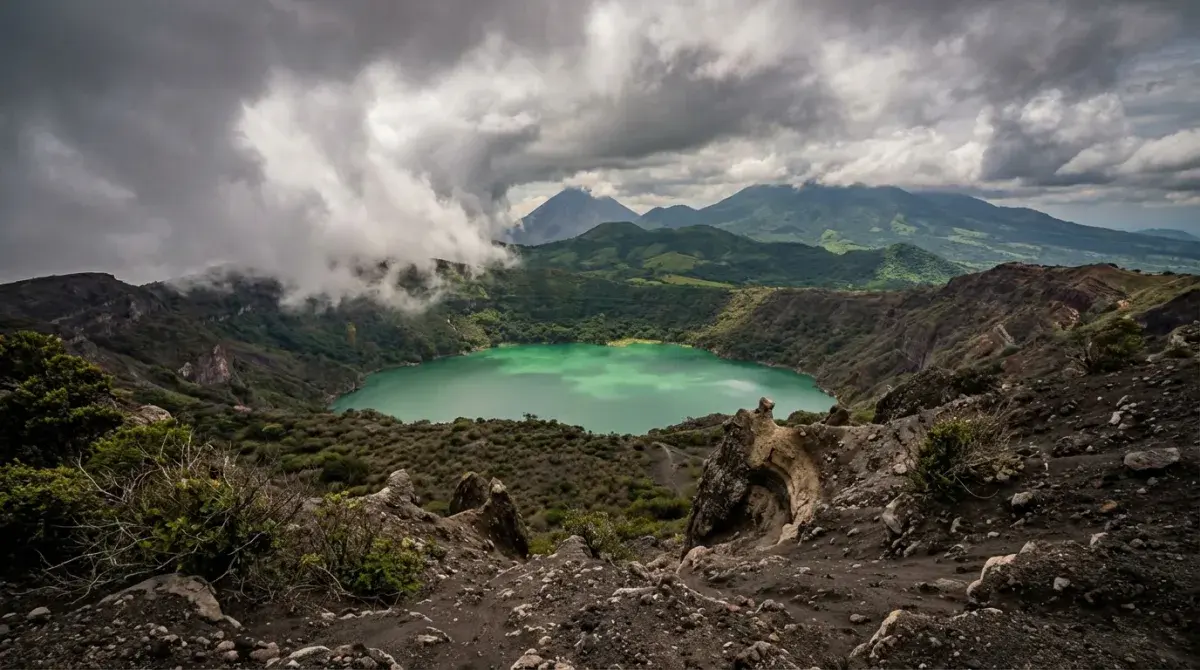
Hotels around Lake Coatepeque range from $30-80 for standard rooms to $100-180 for lakeside properties. In the Cerro Verde national park area, options are limited and mostly mid-range at $40-70 per night.
Food and Drink Costs
Street Food and Pupuserias
El Salvador's street food scene is outstanding and unbelievably cheap:
- Pupusas: $0.35-0.75 each (3-4 make a meal)
- Yuca frita con chicharron: $1.50-3
- Pastelitos (fried empanadas): $0.50-1 each
- Tamales de elote: $0.50-1
- Fresh fruit juice (fresco): $0.50-1.50
- Atol de elote (corn drink): $0.50-1
Comedores and Local Restaurants
A comida a la vista (buffet-style meal) at a comedor costs $2.50-5 for a full plate with rice, beans, a protein, salad, tortillas, and a drink. These are found in every town and neighborhood. A sit-down lunch at a local restaurant runs $4-8 for a main course.
Tourist-Area Restaurants
In El Tunco, Suchitoto, and Ruta de las Flores, restaurants catering to tourists and expats charge $6-15 for main courses. Seafood restaurants along the coast serve fresh fish and shrimp platters for $8-18. A beer at a bar costs $1.50-3 for a local Pilsener or Golden, and $3-6 for craft or imported options.
Fine Dining
San Salvador has a growing fine dining scene. A multi-course dinner at a top restaurant costs $25-50 per person. Wine lists tend to be expensive since all wine is imported, with bottles starting at $15-25 at restaurants.
Transportation Costs
Public Buses
El Salvador's bus system is extensive and dirt cheap. Standard buses (retired US school buses) charge $0.25-0.60 per ride depending on distance. Air-conditioned express routes between major cities cost $1-3. Common routes:
- San Salvador to El Tunco: $1-2, 1.5 hours
- San Salvador to Santa Ana: $0.75-1.50, 1.5 hours
- San Salvador to Suchitoto: $1, 1.5 hours
- San Salvador to Ruta de las Flores (Juayua): $1.50-2.50, 2.5 hours
Uber and Taxis
Uber operates in San Salvador and some surrounding areas. Rides within the city cost $3-8. Traditional taxis cost slightly more and should be negotiated in advance. From the airport to the city center, expect to pay $10-15 by Uber.
Car Rental
Renting a car costs $25-45 per day for a compact vehicle. Gas is approximately $3.50-4.50 per gallon, cheaper than Costa Rica but slightly more than Guatemala. El Salvador's small size means you rarely drive more than 3-4 hours to reach any destination.
Boat Transport
Boats across Lake Suchitlan to visit island communities cost $1-3 per person. Lanchas (small boats) along the coast are available for surf spot access at $5-10 per ride.
Activity and Attraction Costs
El Salvador packs a surprising number of activities into a compact area:
- Surf board rental (per day): $10-15
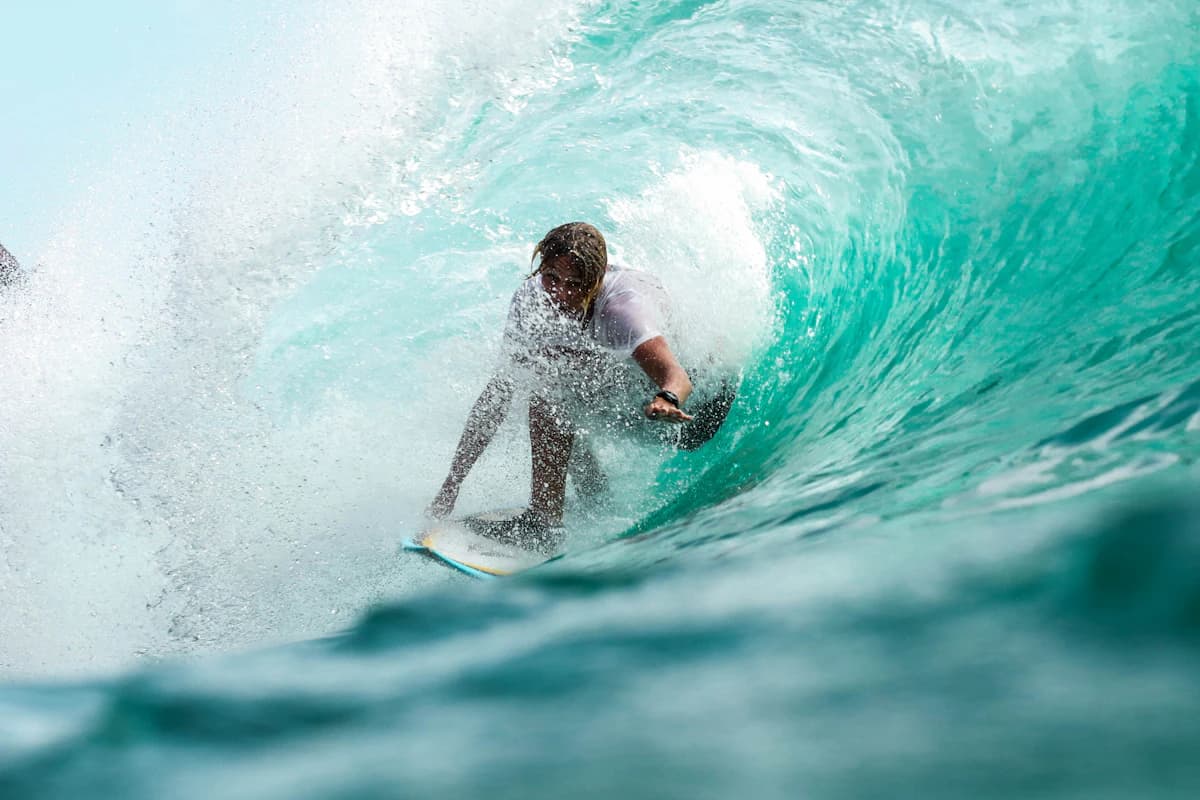
- Surf lessons (2 hours): $25-40
- El Imposible National Park entrance: $3-6
- Cerro Verde National Park entrance: $3
- Joya de Ceren archaeological site: $3 (UNESCO World Heritage)
- Tazumal ruins entrance: $3
- Santa Ana Volcano hike (guided): $15-25 including transport
- Ruta de las Flores food festival (Juayua, weekends): Free entry, food $1-5 per item
- Coffee farm tour: $10-25
- Lake Coatepeque boat ride: $5-15
- San Salvador city walking tour: Free to $10 (tips-based)
Bitcoin in El Salvador
El Salvador made Bitcoin legal tender in 2021, and the Chivo wallet and Bitcoin ATMs remain available throughout the country. In practice, Bitcoin acceptance varies widely. In El Zonte (Bitcoin Beach), many businesses accept it. In El Tunco, some surf shops and restaurants do as well. In most of the country, however, cash (US dollars) remains king. Do not rely on Bitcoin as your primary payment method. Bring cash and cards as your main financial tools, and use Bitcoin as a supplement if you choose.
Tipping Etiquette
Tipping is not as formalized as in the United States. At restaurants, 10% is appreciated but not always expected at casual places. For tour guides, $5-10 per person is appropriate. Hotel housekeeping receives $1-2 per night. Tipping at pupuserias and comedores is not expected, though leaving small change is a kind gesture.
Safety Tips for Budget Travelers
El Salvador has made significant strides in improving safety. Tourist areas like El Tunco, Ruta de las Flores, and Suchitoto are generally safe. Standard precautions apply: avoid displaying expensive jewelry or electronics, do not walk alone in unfamiliar urban neighborhoods at night, use Uber rather than hailing random taxis in San Salvador, and keep your belongings secure on public buses. The vast majority of tourists visit El Salvador without any incidents.
Money-Saving Tips
- Eat pupusas daily. It sounds repetitive, but the variety of fillings (cheese, beans, chicharron, loroco, shrimp, ayote) keeps things interesting, and the price cannot be beaten.
- Use public buses. At $0.25-2 per ride, El Salvador has the cheapest bus fares in Central America. Routes cover the entire country.
- Stay on the coast. Surf hostels in El Tunco and El Zonte offer dorm beds for $8-15 with free or cheap board access, making it one of the cheapest surf destinations in the world.
- Visit on weekends for food festivals. The Ruta de las Flores food festival in Juayua every weekend offers incredible food at rock-bottom prices.
- Hike volcanoes with a group. Organized group hikes to Santa Ana or Izalco volcanoes through hostels cost $15-25 including transport, far cheaper than private guides.
- Skip domestic flights. The country is small enough that no bus ride exceeds 4-5 hours. There is no need for internal flights.
- Drink local beer. A Pilsener or Golden costs $1-2 at local bars compared to $4-6 for imported options.
- Book directly with hostels. Many El Salvador hostels offer better rates when you book directly via WhatsApp rather than through booking platforms that charge commissions.
Conclusion
El Salvador punches well above its weight as a budget travel destination. The combination of US dollar pricing, incredibly cheap local food, affordable surf culture, and compact geography makes it one of the best value destinations in the Americas. Budget travelers can comfortably explore the country on $25-40 per day, mid-range travelers can enjoy boutique hotels, guided tours, and excellent restaurants for $50-85, and even luxury seekers will find that $120-250 per day goes a long way. With its growing tourism infrastructure and improving safety record, El Salvador is a destination that rewards travelers who look beyond the headlines.
Frequently Asked Questions
Is El Salvador safe for budget travelers?
El Salvador has improved significantly in terms of safety for tourists. The main tourist areas (El Tunco, Suchitoto, Ruta de las Flores, Santa Ana) are generally safe and welcoming. Use common sense precautions: avoid displaying valuables, use Uber in San Salvador rather than unmarked taxis, and stay in well-reviewed accommodations. Solo travelers, including women, regularly visit these areas without problems. Avoid venturing into unfamiliar urban neighborhoods, particularly at night.
Can I really travel El Salvador on $25 per day?
Yes, but it requires discipline. At $25 per day, you would stay in hostel dorms ($8-12), eat primarily at pupuserias and comedores ($5-8 for three meals), use public buses ($1-3 for transport), and focus on free or very cheap activities like beaches, hiking, and market visits. This budget is tight but achievable, especially if you stay in one area for several days rather than moving constantly.
How does El Salvador compare to Guatemala for budget travel?
Both countries offer similar price levels, with El Salvador being slightly cheaper in some categories (especially food and transport) and similar in others (accommodation). The biggest advantage El Salvador has is using the US dollar, which eliminates exchange complications. Guatemala offers more variety in terms of landscapes and cultural attractions (Tikal, Atitlan, Antigua), while El Salvador excels in surf culture, compact geography, and ease of getting around.
Do I need cash or are cards widely accepted?
Cash (US dollars) is essential in El Salvador, especially outside San Salvador. Pupuserias, comedores, local buses, and market vendors operate on cash only. Credit and debit cards are accepted at hotels, larger restaurants, and chain stores. ATMs are available in cities and larger towns. Carry small bills ($1, $5, $10) as many vendors struggle to make change for $20 and larger bills.

About the Author
Hotels CA TeamEditorial Research Team
Hotels CA Team is the editorial desk behind these Central America hotel and travel guides. We research public property information, official sources, and traveler feedback. A hotel page is not a personal visit unless the article says so.