Coffee Hotels in Guatemala: $30 Highland Cabins to $450 Antigua Stays
Finca Filadelfia $150–280, Casa Santo Domingo $200–450, Huehuetenango cabins $30–90. Harvest November–March; Antigua, Atitlán, Cobán.
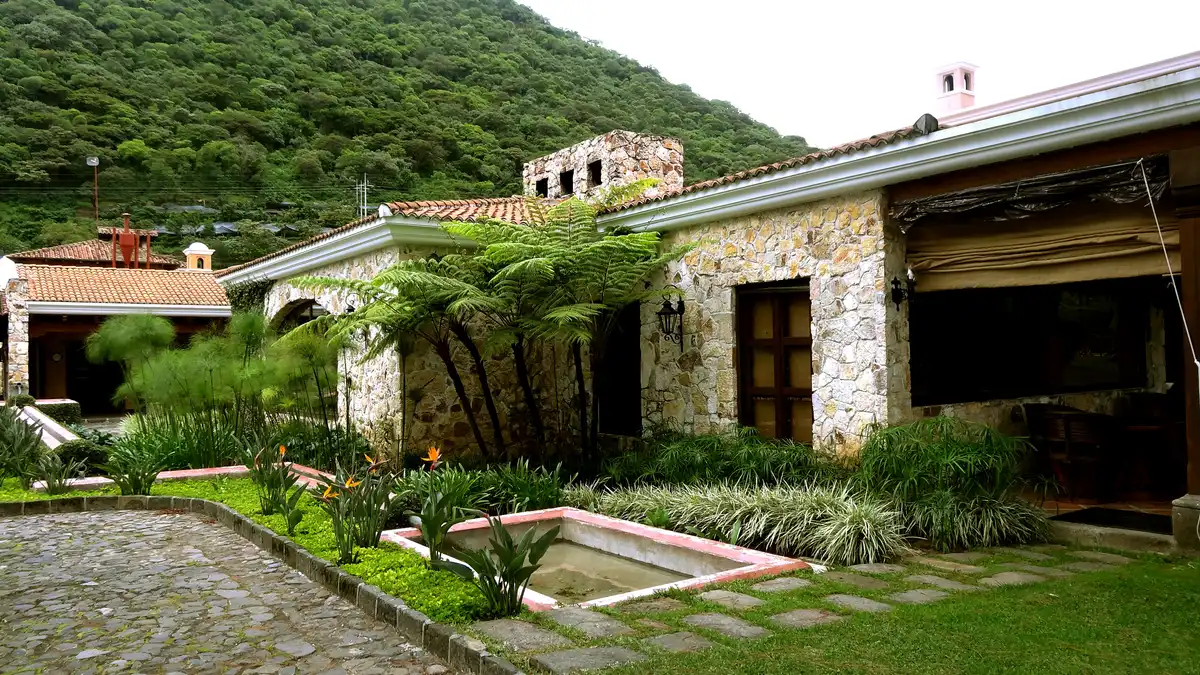
Table of Contents
Short answer: harvest runs November–March. The stays already listed below run from $30–60 at Unicornio Azul to $200–450 at Casa Santo Domingo. Finca Filadelfia (beans since 1864) is $150–280; Finca Rosma in Huehuetenango is $45–90. A week that spans Antigua, Atitlán, and the highlands is the itinerary later on this page — not a claim that every farm hosts overnight guests.
Land first with the La Aurora arrival guide. If the finca is not the first night, use Antigua centro vs hillside — Filadelfia is a plantation stay, not a walk to the Arch. Lake cups from San Pedro belong after you pick a village. Country map: Guatemala hub. Cheap multi-country: 2026 backpacking.
Coffee regions and what a finca stay actually includes
Guatemala is one of the world's premier coffee origins, producing beans that consistently rank among the finest arabica coffees on Earth. Eight distinct growing regions — each shaped by unique combinations of altitude, volcanic soil, rainfall, and microclimate — yield coffees with remarkably different flavor profiles, from the chocolate-and-spice richness of Antigua to the bright, fruit-forward complexity of Huehuetenango.
For coffee lovers, staying at a hotel embedded within a working coffee plantation (known locally as a finca) transforms your morning cup from a routine into a revelation. You'll walk among the rows of coffee bushes, witness the meticulous hand-picking of ripe cherries, watch the wet-processing and sun-drying stages, and finally taste the finished product in a cupping session led by the people who grew it. It's a bean-to-cup journey measured in footsteps rather than supply chain miles.
Beyond the coffee itself, Guatemala's finca hotels tend to occupy some of the country's most spectacular real estate — volcanic highlands draped in cloud forest, valleys framed by smoking peaks, and hillsides alive with hummingbirds and orchids. The combination of world-class coffee, stunning natural beauty, and authentic cultural immersion makes a coffee-focused hotel stay one of Guatemala's most rewarding travel experiences.
The Best Coffee Hotels by Region
Antigua Valley
Finca Filadelfia Resort
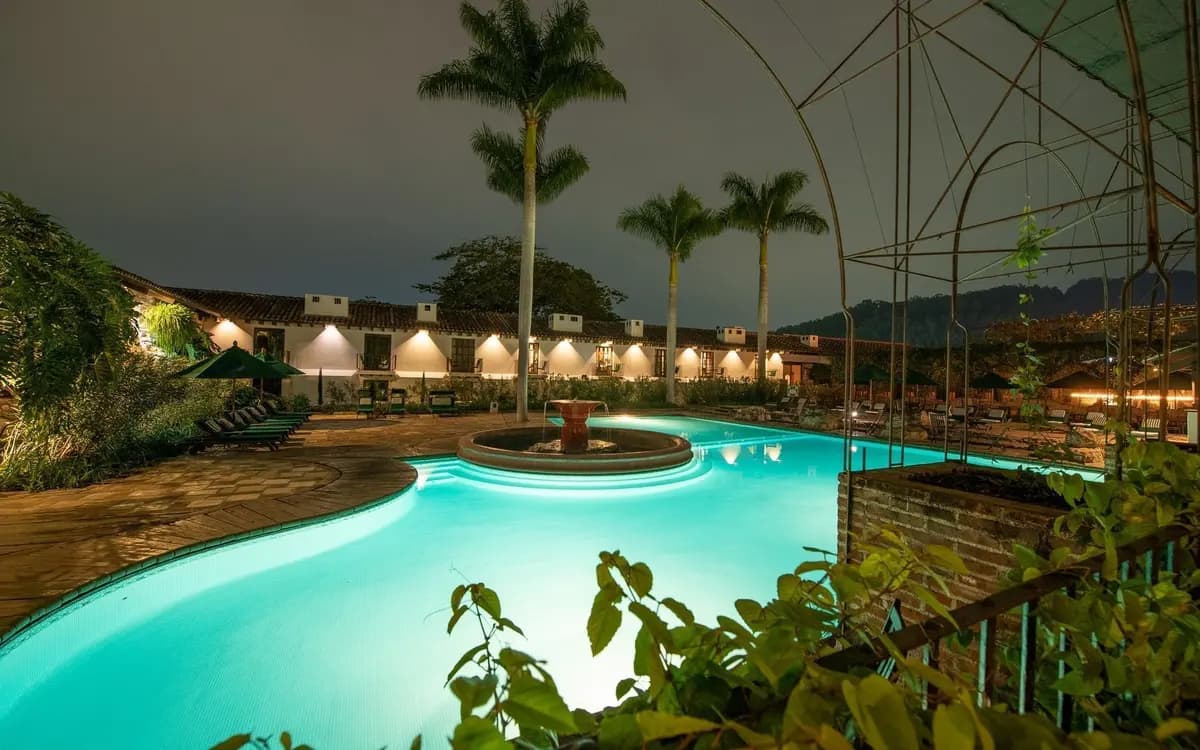
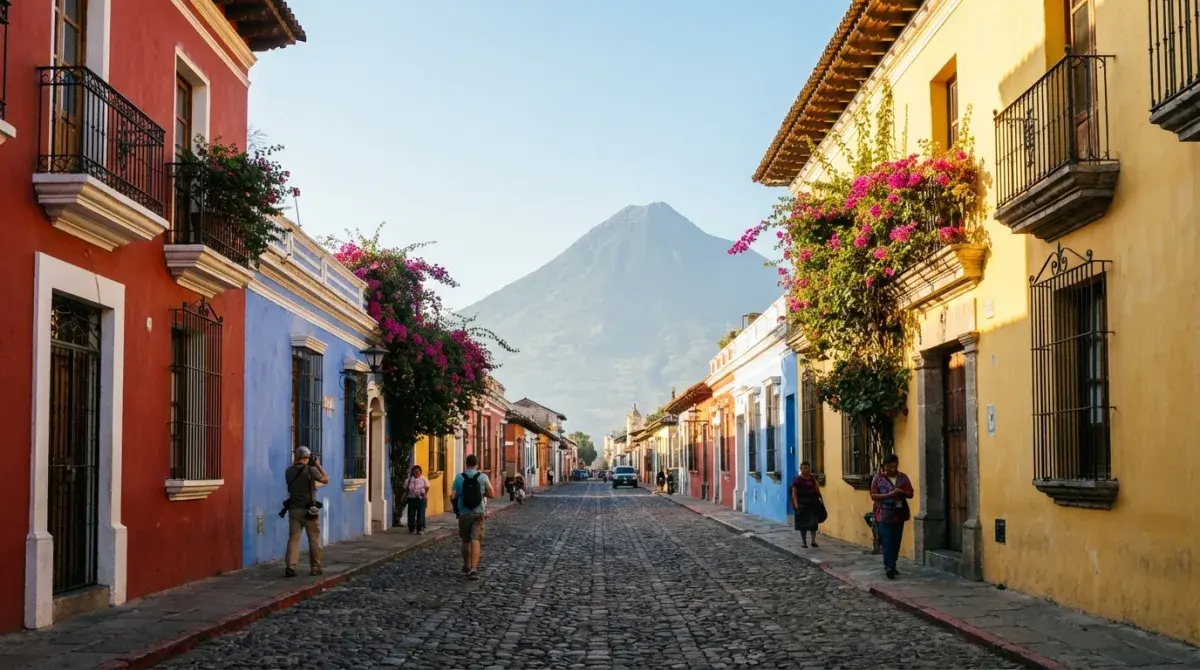
Spread across a working coffee plantation that has been producing beans since 1864, Finca Filadelfia is the gold standard for coffee tourism in Guatemala. The resort sits on a hillside above the colonial city of Antigua, offering sweeping views of the Volcán de Agua and the terracotta rooftops below. Guests stay in elegant rooms and suites built from locally quarried stone, with private terraces overlooking the coffee groves.
The coffee experience here is comprehensive. Daily plantation tours follow the entire production process, from nursery to roasting room, and the on-site café serves exclusively estate-grown coffee prepared by trained baristas. During harvest season (December through March), guests can join the pickers in the fields — a physically demanding but deeply satisfying morning that gives you a visceral appreciation for the labor behind every cup.
Beyond coffee, the 850-acre property offers mountain biking, horseback riding, birdwatching, and nature trails through forest and farmland. The on-site restaurant sources many ingredients from the estate's gardens, and the cocktail bar features coffee-infused drinks that showcase the plantation's beans in creative ways.
Price range: $150–280/night | Best for: First-time coffee tourists, couples, families
Casa Santo Domingo
While not a coffee farm itself, Casa Santo Domingo in Antigua deserves mention for its extraordinary setting within the restored ruins of a 17th-century Dominican monastery and its deep integration of coffee culture. The hotel's coffee program sources beans from partner farms across the Antigua valley, and the in-house roastery produces small-batch roasts exclusively for hotel guests.
The property is a museum-hotel hybrid, with archaeological exhibits, colonial art collections, and beautifully landscaped gardens threading through ancient stone corridors and cloistered courtyards. Morning coffee is served in a courtyard where monks once meditated — a setting that elevates the simple act of drinking coffee into something almost ceremonial.
Casa Santo Domingo can arrange private coffee farm visits to nearby plantations, including behind-the-scenes access not available to general tour groups. The hotel's sommelier-level approach to coffee — with tasting notes, origin information, and preparation recommendations — will deepen your appreciation whether you're a casual drinker or a specialty coffee aficionado.
Price range: $200–450/night | Best for: History enthusiasts, luxury travelers, coffee connoisseurs
Huehuetenango Highlands
Finca Rosma
Deep in the highlands of Huehuetenango, Finca Rosma offers an experience that's closer to adventure travel than traditional hotel stay. This working coffee and macadamia farm sits at 1,650 meters, surrounded by cloud forest and accessed via winding mountain roads that offer jaw-dropping views of the Cuchumatanes mountain range — the highest non-volcanic peaks in Central America.
Accommodation is in simple but comfortable cabins with hot water, thick blankets (nights get cold at this altitude), and screened porches where you can watch hummingbirds feed at dawn while sipping coffee grown literally steps from your door. The farm produces micro-lot coffees that regularly score above 86 points in specialty grading, with flavor profiles featuring the bright acidity and stone-fruit notes that have made Huehuetenango famous in the specialty coffee world.
The farm tour here feels more intimate and authentic than the larger Antigua operations. You'll likely be guided by a family member who has been tending these plants for decades, and the conversation ranges from coffee agronomy to local Maya culture to the real-world economics of small-scale farming. It's educational, humbling, and fascinating in equal measure.
Price range: $45–90/night | Best for: Adventurous travelers, specialty coffee enthusiasts, budget-conscious visitors
Unicornio Azul
A community-run eco-lodge in the coffee-growing town of Todos Santos Cuchumatán, Unicornio Azul combines coffee tourism with deep cultural immersion. The town is home to one of Guatemala's most traditional Maya communities — the Mam people — who maintain distinctive traditional dress, language, and customs alongside their coffee cultivation.
The lodge arranges coffee farm visits to local cooperatives where indigenous farmers explain their organic growing methods and the challenges of producing specialty coffee at extreme altitudes (some plots here exceed 2,000 meters). The resulting coffees are extraordinary — complex, tea-like, with tropical fruit notes and a delicacy that reflects the slow maturation in cold mountain air.
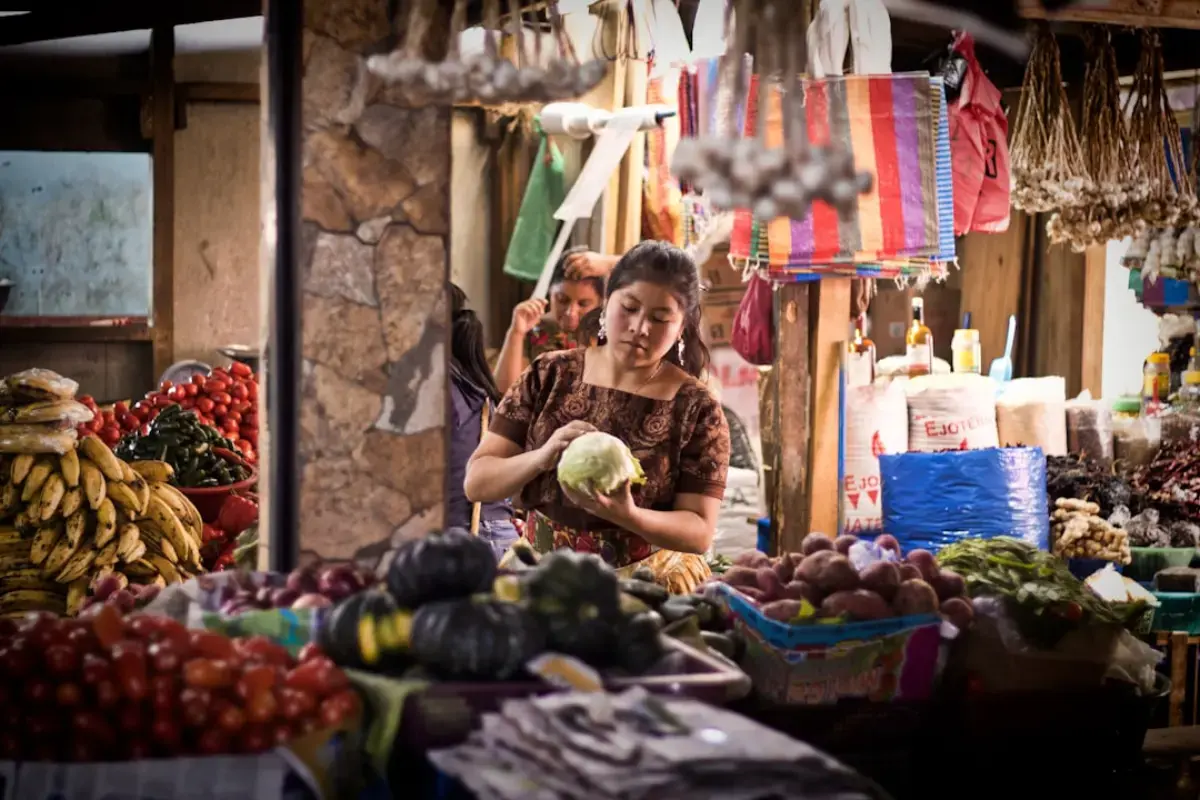
Beyond coffee, Todos Santos offers superb hiking in the Cuchumatanes mountains, a vibrant weekly market, traditional textile workshops, and the annual horse races on November 1st — one of Guatemala's most colorful cultural events.
Price range: $30–60/night | Best for: Cultural immersion, off-the-beaten-path travelers, hiking enthusiasts
Lake Atitlán
Sababa Resort
While Lake Atitlán is better known for its volcanic scenery and Maya villages than for coffee production, the slopes surrounding the lake — particularly around San Pedro La Laguna — produce excellent beans that benefit from the altitude (1,560 meters) and volcanic soil. Sababa Resort in San Pedro offers a relaxed base from which to explore the lake's emerging coffee scene.
The resort can arrange visits to small coffee farms in the surrounding hills, where Tz'utujil Maya families tend their plots using methods passed down through generations. These intimate farm visits feel worlds away from the polished tourist operations near Antigua — you'll sit in a farmer's kitchen, drink coffee roasted on a clay comal, and hear firsthand about the realities of highland agriculture.
Back at the resort, the coffee program features beans from local cooperatives, and the lakeside setting — with three volcanoes reflected in the water — provides arguably the most photogenic coffee-drinking backdrop in all of Guatemala.
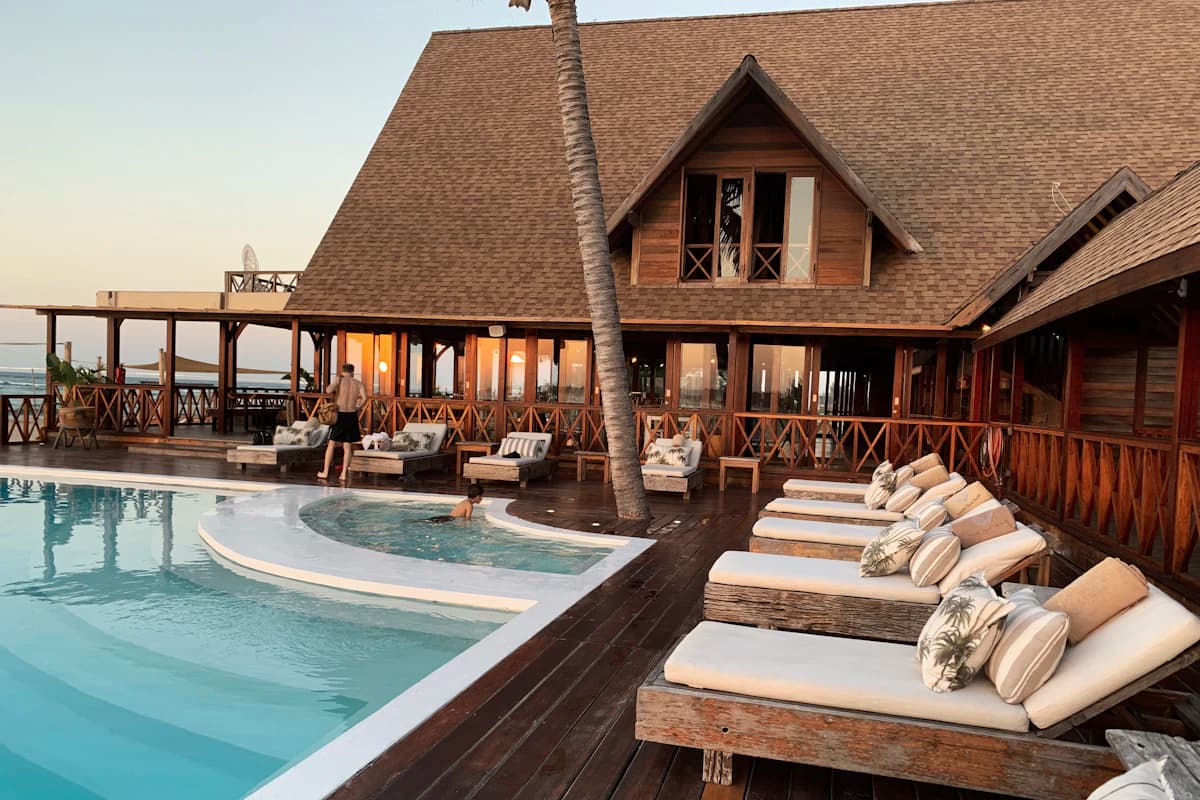
Price range: $80–160/night | Best for: Lake lovers, cultural travelers, those combining coffee with other Atitlán activities
Cobán and Alta Verapaz
Park Hotel
Located in the cloud forest city of Cobán, Park Hotel serves as a comfortable base for exploring one of Guatemala's most atmospheric coffee regions. Cobán's misty, cool climate produces distinctively earthy coffees with herbal notes unlike anything from the drier western highlands, and the surrounding countryside is lush, green, and alive with birdlife.
The hotel arranges visits to nearby fincas where the coffee grows under dense shade canopy alongside cardamom — Guatemala is the world's largest cardamom exporter, and many Cobán farms produce both crops. The interplay between coffee and cardamom agriculture is fascinating, and some producers are experimenting with cardamom-infused coffee processing that creates unique flavor combinations.
Cobán is also the gateway to Semuc Champey (Guatemala's most stunning natural swimming pools) and the Lanquín caves, making it easy to combine coffee tourism with outdoor adventure.
Price range: $60–120/night | Best for: Nature lovers, birdwatchers, travelers exploring off-the-beaten-path Guatemala
Planning Your Coffee Hotel Trip
Best Time to Visit
The coffee harvest season runs from November through March in most regions, with peak picking typically in January and February. Visiting during harvest means you'll see the full production process in action — from cherry picking through processing and drying. Outside harvest season, farms still offer tours covering the cultivation and processing stages, and dried/roasted coffee is available year-round.
How Long to Stay
A single coffee farm visit takes half a day, but to truly appreciate Guatemala's coffee diversity, plan at least a week that spans multiple regions. A classic itinerary might include:
- Days 1–3: Antigua valley (Finca Filadelfia or Casa Santo Domingo)
- Days 4–5: Lake Atitlán (Sababa Resort, with local farm visits)
- Days 6–7: Huehuetenango highlands (Finca Rosma or Unicornio Azul)
This progression takes you from the most accessible and polished coffee tourism to increasingly remote and authentic experiences.
What to Bring Home
Guatemala allows the export of roasted coffee beans without restriction. Buy directly from farms or roasters rather than tourist shops for the best quality and freshest product. Whole beans will stay fresh longer than ground coffee — invest in a good grinder at home if you don't already have one. Most farms sell their beans in resealable bags designed for travel.
Expect to pay $8–15 per pound for excellent single-origin beans purchased at the source — a fraction of what the same coffee would cost at a specialty roaster abroad.
Supporting Sustainable Coffee
When choosing where to stay and whose coffee to buy, look for certifications and practices that indicate sustainable and equitable production: Rainforest Alliance, Fair Trade, organic certification, or direct-trade relationships. Ask about farmer compensation — the best coffee hotels are transparent about how much of your tourist dollar reaches the people who actually grow the beans.
Guatemala's coffee industry faces real challenges from climate change, price volatility, and generational shifts as young people leave rural areas. Your choice to visit a coffee farm, stay at a finca hotel, and buy directly from producers has a meaningful economic impact that helps sustain these communities and the remarkable coffees they produce.

About the Author
Hotels CA TeamEditorial Research Team
Hotels CA Team is the editorial desk behind these Central America hotel and travel guides. We research public property information, official sources, and traveler feedback. A hotel page is not a personal visit unless the article says so.