Best Time to Visit Honduras: Diving, Ruins & Weather Guide
Plan your Honduras trip with our guide to the best months for diving in Roatan, exploring Copan ruins, and beach vacations on the Caribbean coast.
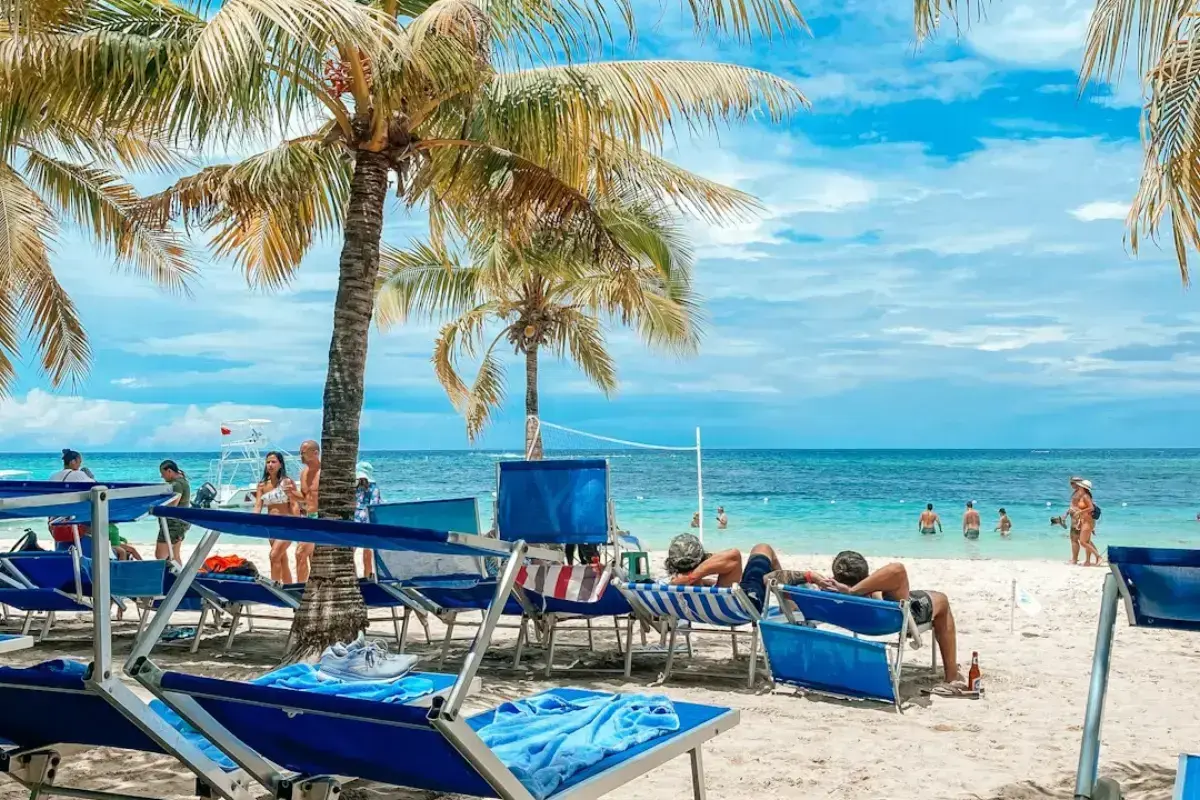
Table of Contents
Honduras is a country of striking contrasts, from the turquoise waters of the Bay Islands to the cloud forests of the western highlands, and from the ancient Mayan ruins of Copan to the untouched wilderness of La Mosquitia. Choosing the right time to visit can make the difference between a trip defined by sunny skies and calm seas, and one interrupted by tropical downpours or sweltering heat. Whether you are planning to explore world-class coral reefs off Roatan, wander through centuries-old stone carvings at Copan, or relax on the Caribbean coast, understanding Honduras's seasonal patterns will help you plan a rewarding trip.
Honduras sits between 13 and 16 degrees north of the equator, giving it a tropical climate with two broadly defined seasons: the dry season and the wet season. However, the country's varied topography means that weather conditions can differ significantly from one region to another. The Caribbean coast and Bay Islands receive rainfall throughout the year, while the Pacific lowlands and interior highlands experience a more pronounced dry period. This guide breaks down the best months and conditions for every major activity and destination in Honduras.
Dry Season: February to May
The dry season is the most popular time to visit Honduras, and for good reason. From February through May, much of the country enjoys consistent sunshine, lower humidity, and minimal rainfall. Daytime temperatures in the lowlands hover around 30 to 34 degrees Celsius, while the highlands around Copan and Gracias stay cooler at 22 to 28 degrees.
February and March are considered the peak months for tourism. The skies are reliably clear, trails in national parks are dry and accessible, and the roads through the mountainous interior are in their best condition. If you are planning a road trip from Tegucigalpa to Copan Ruinas, or from San Pedro Sula to the north coast, these months offer the most comfortable driving conditions.
April can be intensely hot in the lowlands, particularly along the Pacific coast and in the Choluteca region, where temperatures can exceed 38 degrees. However, this is still a dry month and remains a solid choice for visiting the Bay Islands or the highland towns. By late May, the first rains of the wet season begin to arrive, signaling the transition.
Best for: Copan ruins, highland hiking, road trips, general sightseeing across the country.
The Second Dry Window: November and December
Many travelers overlook the brief dry period that returns in November and December, sometimes called the "veranillo" or little summer. After the heavy rains of September and October taper off, November brings a welcome stretch of drier weather, particularly in the western and central parts of the country. December continues this trend, and the holiday season adds a festive atmosphere to colonial towns like Comayagua and Gracias.
This period is also excellent for birdwatching. Migratory species arrive from North America, joining Honduras's resident population of over 750 bird species. The cloud forests of Cusuco National Park and Celaque National Park are lush and green from the recent rains, and the cooler temperatures at higher elevations make for pleasant hiking.
Accommodation prices tend to rise during the Christmas and New Year holiday period, especially in Roatan and the popular beach destinations, so booking well in advance is recommended for late December travel.
Best for: Birdwatching, cloud forest hiking, holiday travel, cultural festivals in colonial towns.
Wet Season: June to October
The wet season in Honduras runs roughly from June through October, with the heaviest rainfall typically occurring in September and October. During these months, afternoon thunderstorms are common throughout the country, though mornings often start sunny. The Pacific coast and southern lowlands tend to receive more intense rainfall than the Caribbean side during the early wet season, while the situation reverses later in the period.
Traveling during the wet season is not impossible, but it does require flexibility. Some unpaved roads become difficult to navigate, particularly in remote areas like La Mosquitia and parts of the Lenca highlands. River levels rise, which can make some river crossings hazardous but also creates impressive waterfalls in places like Pulhapanzak and Pico Bonito National Park.
Hotel rates drop significantly during the wet season, sometimes by 30 to 50 percent, making it an attractive option for budget-conscious travelers willing to work around the rain. Many dive operators in Roatan continue to run trips throughout the wet season, as underwater visibility often remains excellent even when it rains on the surface.
Best for: Budget travel, fewer crowds, waterfall viewing, and off-peak diving in Roatan.
Roatan and Bay Islands Diving Conditions
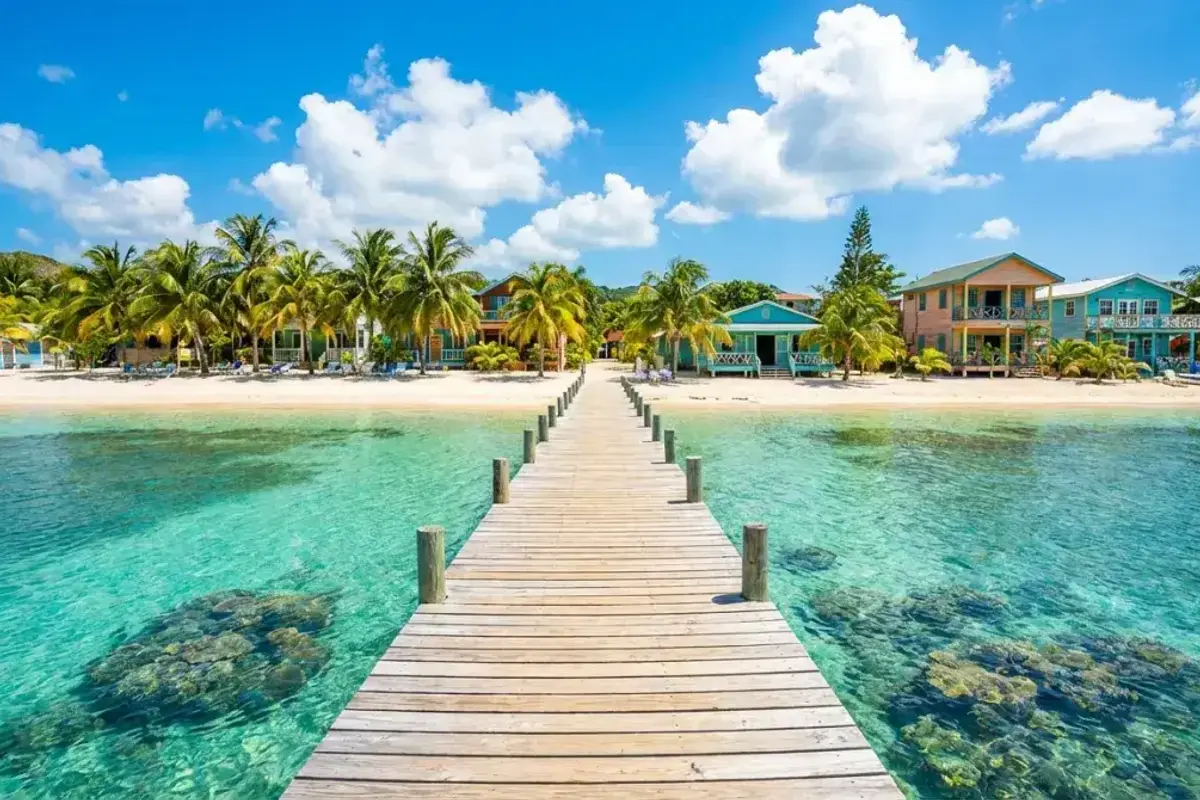
The Bay Islands -- Roatan, Utila, and Guanaja -- sit on the Mesoamerican Barrier Reef, the second-largest reef system in the world, and diving conditions here are a primary draw for many visitors to Honduras.
The best diving conditions generally occur from March through September, when water temperatures are warmest (28 to 30 degrees Celsius) and visibility reaches 30 meters or more. Whale sharks visit the waters around Utila most reliably between March and May, and again from September to November, making these windows particularly exciting for divers hoping to encounter these gentle giants.
From December through February, cooler water temperatures (around 25 to 27 degrees) and occasional northerly winds ("nortes") can reduce visibility and create choppy surface conditions. Diving is still possible, but some sites on the north side of the islands may be inaccessible on windy days. The south side of Roatan tends to remain calmer during these periods.
For those interested in snorkeling rather than diving, the calmest and warmest water conditions are found from April through August. The reef is accessible directly from shore at many points along Roatan's west end and at Utila's beaches, making it easy to explore even without a boat.
Best Time for Copan Ruins and the Western Highlands
The ancient Mayan city of Copan, located near the Guatemalan border, is one of Central America's most important archaeological sites. The ruins sit at an elevation of around 600 meters, which means temperatures are more moderate than in the lowlands, typically ranging from 20 to 30 degrees year-round.
The ideal months to visit Copan are from January through April, when the weather is dry and clear. The site's famous stelae, hieroglyphic stairway, and ball court are best appreciated in the soft morning light of the dry season. The surrounding Copan Valley is green and photogenic during this period, having been refreshed by the previous season's rains.
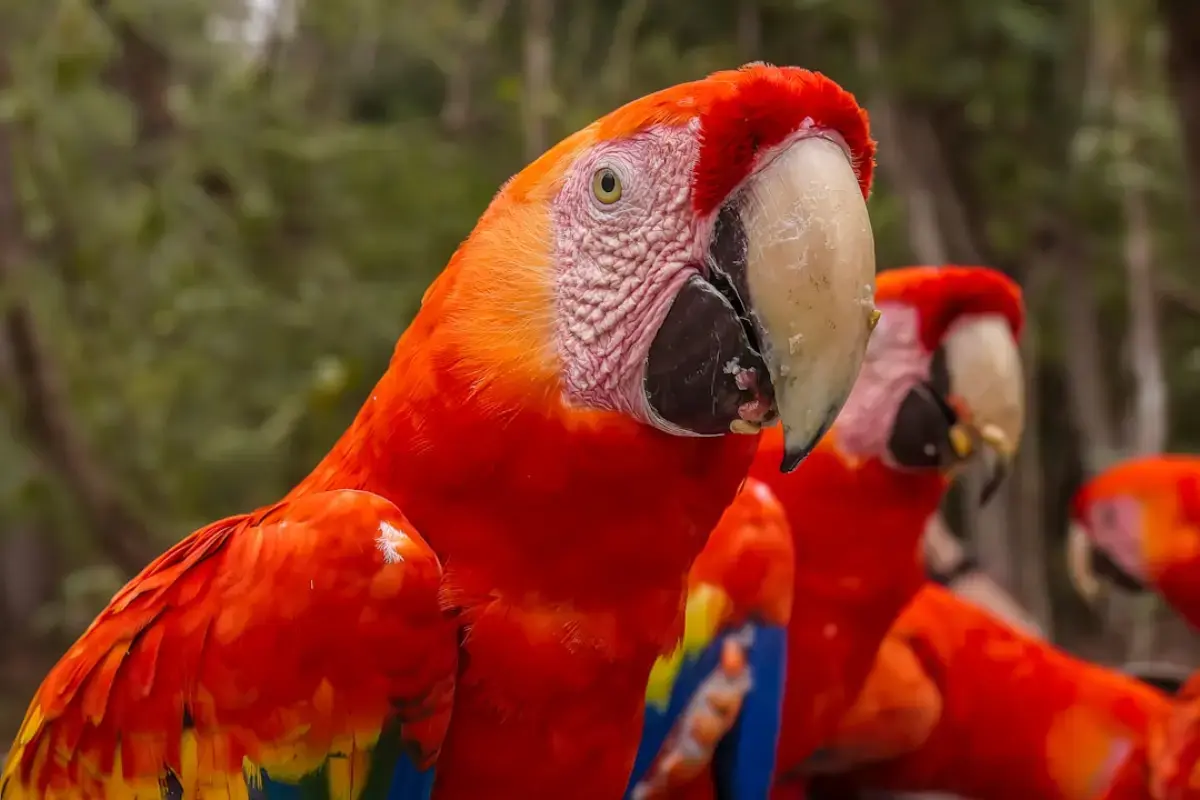
The nearby Macaw Mountain Bird Park, home to scarlet macaws and other native species, is open year-round and provides a sheltered activity if afternoon showers arrive during the transitional months. The town of Copan Ruinas itself is charming in any season, with its cobblestone streets, small restaurants, and hot springs at Luna Jaguar just outside of town.
During the wet season, Copan remains accessible by paved road from San Pedro Sula, but afternoon downpours can cut short your time at the outdoor archaeological site. Morning visits are strongly recommended from June through October.
Hurricane Season and Safety Considerations
Honduras lies within the Caribbean hurricane belt, and the official Atlantic hurricane season runs from June 1 through November 30. The highest risk months are September and October, when the most powerful storms tend to form. While direct hurricane hits on Honduras are relatively uncommon, the country can be affected by tropical storms and the heavy rains associated with nearby hurricanes.
The Caribbean coast and Bay Islands are the areas most exposed to hurricane risk. If you plan to visit during peak hurricane season, purchasing travel insurance with hurricane coverage is essential. Monitor weather forecasts closely, and be prepared for possible flight cancellations and changes to ferry schedules between the mainland and the islands.
It is worth noting that Honduras has improved its early warning systems and emergency response capabilities in recent years, and resort areas like Roatan have well-established evacuation procedures. However, the risk should not be dismissed, and travel during September and October in particular should be approached with awareness.
Festivals and Cultural Events
Honduras has a vibrant calendar of festivals that can add a memorable cultural dimension to your trip. Planning your visit around one of these events is an excellent way to experience the country beyond its natural attractions.
Feria Juniana (June): San Pedro Sula hosts this week-long celebration in late June, featuring parades, live music, carnival rides, food vendors, and beauty pageants. It is the country's largest civic festival and offers an authentic glimpse into Honduran culture. Despite falling in the wet season, the festivities go on rain or shine.
Garifuna Settlement Day (April 12): This national holiday commemorates the arrival of the Garifuna people to the Honduran coast in 1797. Celebrations are centered in the coastal towns of Tela, La Ceiba, and Trujillo, with traditional drumming, dance performances (punta), coconut-based food, and cultural ceremonies. It is one of the most culturally significant events in the country and provides an unforgettable experience.
Semana Santa (March or April): Holy Week is observed across Honduras with processions, elaborate street carpets made of colored sawdust, and religious ceremonies. The colonial towns of Comayagua and Gracias are particularly atmospheric during this period.
La Ceiba Carnival (Third week of May): Often called the Honduran Mardi Gras, this week of parades, music, and dancing in the coastal city of La Ceiba draws visitors from across the country and Central America.
Practical Tips for Planning Your Trip
- Book Roatan accommodations early if visiting during the dry season (February to April) or around Christmas and New Year. Popular resorts and dive shops fill up quickly.
- Pack layers for the highlands. Temperatures in Copan, Gracias, and the cloud forests can drop into the teens at night, especially from November through February.
- Carry rain gear year-round on the Caribbean coast. Even during the dry season, brief showers are possible in the Bay Islands and the north coast.
- Rent a 4x4 vehicle if you plan to explore beyond the main highways during the wet season. Many secondary roads are unpaved and can become muddy.
- Stay hydrated in the lowlands. April and May are particularly hot, and the combination of heat and humidity can be exhausting for unaccustomed travelers.
- Use reef-safe sunscreen when diving or snorkeling in the Bay Islands. The Mesoamerican Barrier Reef is a fragile ecosystem and many operators now require it.
Frequently Asked Questions
What is the cheapest time to visit Honduras?
The wet season months of June through October offer the lowest prices for accommodations and flights. You can expect discounts of 30 to 50 percent compared to peak season rates, especially on the Bay Islands. September and October are the most affordable months but also carry the highest risk of weather disruptions due to hurricane season.
Can I dive in Roatan year-round?
Yes, diving in Roatan operates throughout the year. The best conditions for visibility and water temperature are from March through September. Winter months (December to February) may have cooler water and occasional rough surface conditions from northerly winds, but diving is still available on most days. Whale shark encounters around Utila are most likely from March to May and September to November.
Is Honduras safe for tourists?
Honduras has made significant improvements in tourist safety in recent years, particularly in established travel destinations like Roatan, Copan Ruinas, and the Bay Islands. These areas have dedicated tourist police and well-developed infrastructure. As with any travel destination, exercise standard precautions: use authorized transportation, stay in reputable accommodations, and avoid displaying expensive items. The Bay Islands in particular maintain a strong safety record for visitors.
When is the best time to see wildlife in Honduras?
The transition periods at the beginning and end of the wet season (May to June and November) are excellent for wildlife viewing. The forests are green and lush, migratory birds are present from November through March, and whale sharks visit the waters around Utila from March to May and September to November. Scarlet macaws and toucans can be spotted year-round in places like Copan and Pico Bonito National Park, but they are most active in the early morning hours regardless of season.
Conclusion
Honduras rewards travelers in every season, though the best time for your visit depends on your priorities. For the broadest range of activities and the most reliable weather, plan your trip between February and April. Divers seeking whale sharks should target March through May or September through November. Budget travelers will find the best deals during the June to October wet season, while culture enthusiasts should consider timing their visit around the Feria Juniana in June or Garifuna Settlement Day in April. Whatever window you choose, Honduras's extraordinary reefs, ancient ruins, and warm hospitality will leave a lasting impression.

About the Author
Hotels CA TeamEditorial Research Team
Hotels CA Team is the editorial desk behind these Central America hotel and travel guides. We research public property information, official sources, and traveler feedback. A hotel page is not a personal visit unless the article says so.