Roatán Diving Guide 2026: Best Dive Sites, Operators, and Tips for the Bay Islands
Complete guide to scuba diving in Roatán, Honduras. Discover the best dive sites on the Mesoamerican Barrier Reef, top dive operators, certifications, and practical tips for 2026.
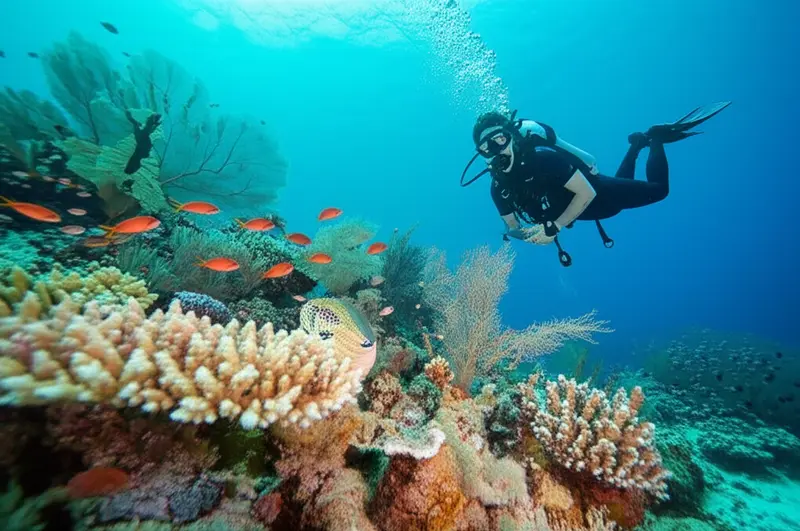
Table of Contents
Why Roatán Is One of the World's Best Diving Destinations
Roatán, the largest of Honduras's Bay Islands, sits directly on the Mesoamerican Barrier Reef — the second-largest reef system on the planet. This geographic gift means that world-class diving is literally steps from shore, with dramatic wall dives, vibrant coral gardens, and an astonishing diversity of marine life accessible to divers of every experience level. What makes Roatán particularly special among Caribbean diving destinations is the combination of exceptional reef quality, remarkably affordable pricing, warm year-round water temperatures, and a relaxed island atmosphere that makes every surface interval as enjoyable as the dives themselves.
The island's western end, centered around the town of West End and the community of West Bay, has developed into one of the most concentrated diving hubs in the Caribbean. Dozens of dive operators compete for business, driving quality up and prices down to levels that make Roatán one of the best-value diving destinations anywhere in the world. Whether you are a complete beginner looking to earn your first certification or an experienced technical diver seeking challenging deep walls, Roatán delivers an underwater experience that consistently exceeds expectations.
Understanding Roatán's Reef System
The Mesoamerican Barrier Reef stretches over 1,000 kilometers from Mexico's Yucatán Peninsula south through Belize, Guatemala, and Honduras. Roatán's position on this reef means that the island is fringed by healthy coral formations that drop off into dramatic walls — vertical or near-vertical cliff faces that plunge hundreds of meters into the deep blue. This wall-and-reef combination creates diverse diving environments within a very small area.
The Fringing Reef
Close to shore, the shallow fringing reef teems with life. Hard and soft corals create a complex three-dimensional habitat that supports an incredible variety of fish, invertebrates, and crustaceans. These shallow areas, typically ranging from three to fifteen meters deep, are perfect for new divers and snorkelers, with abundant marine life including parrotfish, angelfish, trumpetfish, barracuda, moray eels, and hawksbill turtles. The proximity of the reef to shore — often just fifty to one hundred meters — means that boat rides to dive sites are refreshingly short, typically five to fifteen minutes.
The Wall
Roatán's true calling card is its wall diving. The reef crest drops away into walls that descend to depths of hundreds of meters, creating some of the most dramatic underwater scenery in the Caribbean. The walls are adorned with barrel sponges the size of bathtubs, sea fans that sway gently in the current, and a kaleidoscope of soft corals in every imaginable color. Pelagic species — eagle rays, reef sharks, and occasionally whale sharks — patrol the blue water beyond the wall's edge, providing thrilling encounters for divers who keep one eye on the open ocean.
Top Dive Sites on Roatán
Mary's Place
Consistently rated among the top dive sites in the Caribbean, Mary's Place is a dramatic crack in the reef wall that creates a narrow canyon divers can swim through. Sunlight filters down through the crevice above, creating cathedral-like light effects on the canyon walls, which are covered in vibrant corals and sponges. The crack itself is wide enough for comfortable single-file passage and descends to around thirty meters. Emerging from the canyon onto the open wall reveals a stunning panorama of blue water and reef life. This site is suitable for advanced open water divers and above, and it never fails to impress even the most well-traveled underwater photographers.
West End Wall
Running along the coast of West End village, this expansive wall system offers multiple dive sites that can be explored repeatedly without repetition. The wall starts at a comfortable twelve to fifteen meters and drops vertically into the abyss, with overhangs, swim-throughs, and crevices that harbor sleeping nurse sharks, lobsters, and green moray eels. The coral coverage on the upper wall is exceptional, with massive brain corals, elkhorn coral formations, and dense fields of sea fans creating an underwater landscape of remarkable beauty. Gentle currents bring nutrients that support clouds of small fish, which in turn attract larger predators, making this wall system a complete ecosystem visible in a single dive.
El Aguila Wreck
The El Aguila (The Eagle) is a 240-foot cargo ship that was intentionally sunk in 1997 to create an artificial reef. Resting on a sandy bottom at around thirty meters, the wreck has become colonized by coral and sponges and now serves as habitat for a remarkable community of marine life. Large groupers patrol the superstructure, schools of horse-eye jacks circle overhead, and the interior (accessible to wreck-certified divers) shelters glassy sweepers and copper sweepers in the thousands. The wreck sits near the reef wall, allowing experienced divers to combine a wreck exploration with a wall dive in a single outing.
Hole in the Wall
This aptly named site features a dramatic arch in the reef wall that frames a view of the deep blue beyond. Swimming through the hole from the reef side to the wall side provides one of Roatán's most photogenic underwater moments, particularly when silhouetted divers are captured against the blue backdrop. The surrounding reef is in excellent condition, with dense coral coverage and a resident population of southern stingrays that are frequently seen resting on sandy patches near the wall.
Bear's Den
A favorite among underwater photographers, Bear's Den is a series of interconnected swim-throughs and small caverns in the shallow reef at around twelve to eighteen meters. The topography creates dramatic light effects as sunbeams penetrate through openings in the reef ceiling, illuminating the interior with shifting patterns of blue and gold. Cleaning stations within the swim-throughs attract large groupers and moray eels, providing excellent close-encounter opportunities. The relatively shallow depth and protected nature of the site make it accessible to divers of all levels while still offering enough complexity to keep experienced divers engaged.
Turtle Crossing
Named for the green and hawksbill turtles that are regularly encountered here, Turtle Crossing offers a gentle sloping reef that transitions to a gradual wall. The site's moderate depth and typically calm conditions make it popular for night dives, when the reef transforms as nocturnal creatures emerge — octopuses hunting across the coral, basket stars unfurling their intricate arms to filter feed, and bioluminescent organisms creating tiny sparks of light in the darkness. Daytime visits frequently reward divers with turtle sightings, as the turtles seem to favor this stretch of reef for feeding on sponges and resting on sandy ledges.
Getting PADI Certified on Roatán
Roatán is one of the most popular destinations in the world for earning a scuba diving certification, and for good reason. The combination of warm, clear water, calm conditions, excellent instruction, and low prices creates ideal learning conditions.
Open Water Certification
The PADI Open Water Diver course, the world's most popular entry-level certification, typically takes three to four days on Roatán and costs between $280 and $350 USD — significantly less than the same course would cost in most US, European, or Australian locations. The course includes classroom sessions covering diving theory, confined water practice in a pool or shallow protected area, and four open water dives on the reef. Roatán's warm water (27-29°C year-round) means no wetsuit discomfort for students, and the shallow reefs close to shore provide perfect training environments with enough marine life to keep students excited and motivated throughout the learning process.
Advanced Open Water
For certified divers looking to expand their skills, the Advanced Open Water course on Roatán includes five adventure dives covering specialties like deep diving, navigation, night diving, and peak performance buoyancy. The island's varied dive sites provide excellent training environments for each specialty, and the course typically completes in two days at a cost of $250 to $300 USD.
Divemaster and Instructor Programs
Roatán has a thriving professional diving community, and many of the island's dive professionals originally came as tourists, fell in love with the place, and never left. Divemaster internship programs are widely available, typically running six to twelve weeks and combining the professional certification with extensive diving experience. The low cost of living on Roatán makes these extended programs financially accessible, and graduates often find employment opportunities on the island itself.
Best Dive Operators on Roatán
The West End and West Bay area hosts the highest concentration of dive shops, with operators ranging from small, owner-operated businesses to larger resort-affiliated dive centers. When choosing an operator, consider factors beyond just price: instructor-to-student ratios (smaller is better), equipment quality and maintenance schedules, boat comfort and size, and the flexibility of dive schedules.
Look for operators that maintain small group sizes — ideally no more than six divers per guide — as this ensures more personalized attention and better underwater experiences. Ask about their environmental practices, including reef briefings, buoyancy requirements, and involvement in reef conservation efforts. The best operators on Roatán take genuine pride in protecting the reef that sustains their livelihood, and choosing to dive with environmentally responsible operators supports the long-term health of this incredible ecosystem.
Practical Diving Tips for Roatán
When to Visit
Roatán offers excellent diving year-round, with water temperatures between 27 and 29 degrees Celsius and visibility typically ranging from 20 to 40 meters. The dry season from March through September generally provides the calmest seas and best visibility. October through February can bring occasional rough weather from northern cold fronts, but these conditions rarely last more than a day or two and primarily affect the northern coast of the island.
What to Bring
Most dive operators on Roatán provide full equipment rental as part of their dive packages, but experienced divers who prefer their own gear should bring their mask, computer, and wetsuit at minimum. A 3mm shorty wetsuit is sufficient for most divers, though those who get cold easily may prefer a full 3mm suit, particularly for deeper wall dives. Reef-safe sunscreen is essential — protect both your skin and the reef.
Health and Safety
Roatán has a hyperbaric chamber located in the Anthony's Key Resort area, providing an important safety net for the diving community. Dive insurance through organizations like DAN (Divers Alert Network) is strongly recommended and is required by some operators. Stay well-hydrated, avoid alcohol before diving, and respect the conservative dive profiles programmed into your dive computer — the nearest major hospital is on the mainland, making prevention the best medicine.
Budget Planning
A typical day of two-tank boat diving on Roatán costs between $65 and $85 USD, making it one of the most affordable diving destinations in the Caribbean. Multi-day packages offer additional savings, with ten-dive packages typically priced between $280 and $350 USD. Equipment rental, when not included, adds approximately $15 to $25 per day. Combined with Roatán's affordable accommodation and dining options, a week-long diving vacation on the island offers exceptional value that is difficult to match anywhere else in the Caribbean.
Beyond Diving: Snorkeling on Roatán
Non-divers and surface-interval enthusiasts will find that Roatán's snorkeling is world-class in its own right. The shallow reefs close to shore in West Bay Beach, Half Moon Bay, and the West End provide excellent snorkeling directly from the beach, with coral formations, tropical fish, and sea turtles visible in waist-deep to chest-deep water. For a more adventurous snorkeling experience, boat trips to more remote reef sections and the chance to snorkel with whale sharks (seasonal, typically March through April) offer unforgettable encounters with marine megafauna.
Final Thoughts
Roatán delivers a diving experience that punches far above its weight. The quality of the reef, the variety of dive sites, the warmth of the water, and the affordability of the experience combine to create a destination that satisfies divers at every level. Whether you are taking your first breaths underwater in a PADI Open Water course or logging your thousandth dive on a dramatic Caribbean wall, Roatán's underwater world will leave you with memories — and likely a strong desire to return — that last a lifetime.

About the Author
Hotels CA TeamEditorial Research Team
Hotels CA Team is the editorial desk behind these Central America hotel and travel guides. We research public property information, official sources, and traveler feedback. A hotel page is not a personal visit unless the article says so.