Best Time for Nicaragua: Nov–Apr Dry Season, Surf & Corn Islands
Dry season November–April; canícula in July; Corn Islands February–May. León heat, Caribbean rain, and when hotel rates drop.
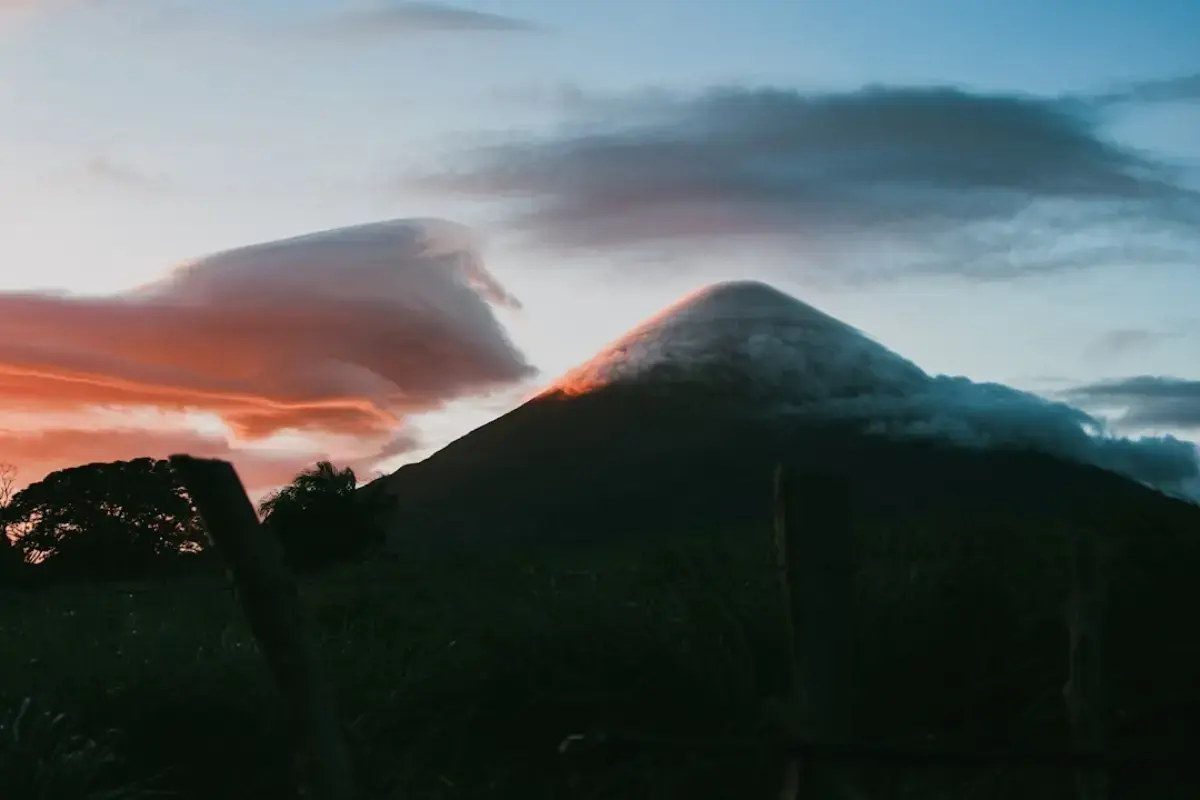
Table of Contents
When should you go to Nicaragua?
Short answer: November through April is the reliable dry window for Granada, León, and Pacific beaches. February through May is the cleaner-water stretch for the Corn Islands. Surf is more consistent from April through November. September and October are the wettest — and the cheapest.
Start from the Nicaragua hub for hotels, or use the Nicaragua daily-cost guide if you are timing a trip around price instead of weather.
Nicaragua is Central America's largest country and one of its most diverse, offering everything from active volcanoes and colonial cities to pristine Caribbean islands and Pacific surf breaks. Known as the "Land of Lakes and Volcanoes," it is a destination where timing matters. The difference between visiting during the sunny dry season and the lush wet season can shape your entire experience, from the activities available to the landscapes you will encounter. Understanding Nicaragua's climate patterns and regional variations will help you make the most of your trip.
Situated between 10 and 15 degrees north of the equator, Nicaragua has a tropical climate divided into two distinct seasons. The dry season, known locally as "verano" (summer), runs from November through April. The wet season, called "invierno" (winter), spans May through October. However, Nicaragua's geography creates notable climate differences between the Pacific lowlands, the central highlands, and the Caribbean coast. The Pacific side experiences a sharper distinction between dry and wet seasons, while the Caribbean coast receives rain throughout the year, with the heaviest precipitation from June through November.
Dry Season: November Through April
The dry season is the most popular time to visit Nicaragua, offering sunny skies, low humidity, and comfortable temperatures across most of the country. Daytime temperatures along the Pacific coast and lowlands range from 30 to 36 degrees Celsius, while the highlands around Matagalpa and Jinotega enjoy cooler conditions at 20 to 26 degrees.
November marks the beginning of the dry season and is an excellent month to visit. The landscape is still green from the recent rains, the countryside looks its most lush, and tourist crowds have not yet arrived. December through February is peak season, with the highest number of international visitors, particularly around the Christmas and New Year holidays. Accommodation prices in Granada, San Juan del Sur, and the Corn Islands rise during this period, and advance booking is strongly recommended.
March and April are the hottest and driest months of the year. Temperatures in the Pacific lowlands regularly exceed 35 degrees, and the landscape turns increasingly brown and dusty. While the heat can be intense, these months remain popular for beach vacations and surfing. The city of Leon, already one of the hottest in Central America, becomes particularly sweltering in April, so plan your colonial sightseeing for the morning hours.
Best for: Beach vacations, colonial city exploration, volcano hikes, general sightseeing, and photography.
Wet Season: May Through October
Nicaragua's wet season brings daily afternoon thunderstorms to most of the country, transforming the arid Pacific lowlands into a verdant landscape. Mornings typically start clear and sunny, with clouds building through midday and rain arriving in the afternoon or evening. This pattern makes it entirely possible to enjoy outdoor activities in the morning before the rain sets in.
May and June represent the beginning of the wet season and are transitional months. Rainfall increases gradually, and the country becomes noticeably greener. These months offer a good balance between manageable weather and lower prices, as tourist numbers drop off significantly.
July and August see a brief dry spell in many parts of the Pacific lowlands, known as the "canicula" or "veranillo de San Juan." This mini dry season can last two to three weeks and provides a pleasant window for travel during what is technically the rainy period.
September and October are the wettest months, with heavy and sometimes continuous rainfall, particularly along the Caribbean coast and in the central highlands. Roads in rural areas can become impassable, and some hiking trails close due to muddy conditions. However, hotel rates are at their lowest, and you may have popular attractions nearly to yourself.
Best for: Budget travel, lush landscapes, fewer crowds, and experiencing Nicaragua's agricultural rhythms.
Pacific Coast: San Juan del Sur and Surf Season
San Juan del Sur, on Nicaragua's southern Pacific coast, has become Central America's most accessible surf destination. The region's consistent waves and warm water attract surfers of all levels, and understanding the surf seasons will help you time your visit.
The best surf conditions arrive with the wet season, from April through November. Southern swells generated by storms far out in the Pacific produce consistent overhead waves at breaks like Playa Maderas, Playa Hermosa, and Popoyo. June through August is the sweet spot, when swells are most consistent and offshore winds create clean wave faces in the mornings.
For beginners, the dry season months of December through March offer smaller, more manageable waves. The water temperature hovers around 27 to 29 degrees year-round, so a wetsuit is never necessary. Many surf camps and schools operate year-round but are busiest from December through April.
Beyond surfing, San Juan del Sur's party scene peaks during the dry season. Sunday Funday pool crawls, sunset beach parties, and the annual Semana Santa celebrations draw backpackers and party-goers from across Central America.
Best for surfers: April through November for consistent swells; June through August for the best conditions.
Granada and Leon: Colonial Cities
Nicaragua's two great colonial cities offer distinct experiences and slightly different optimal visiting windows.
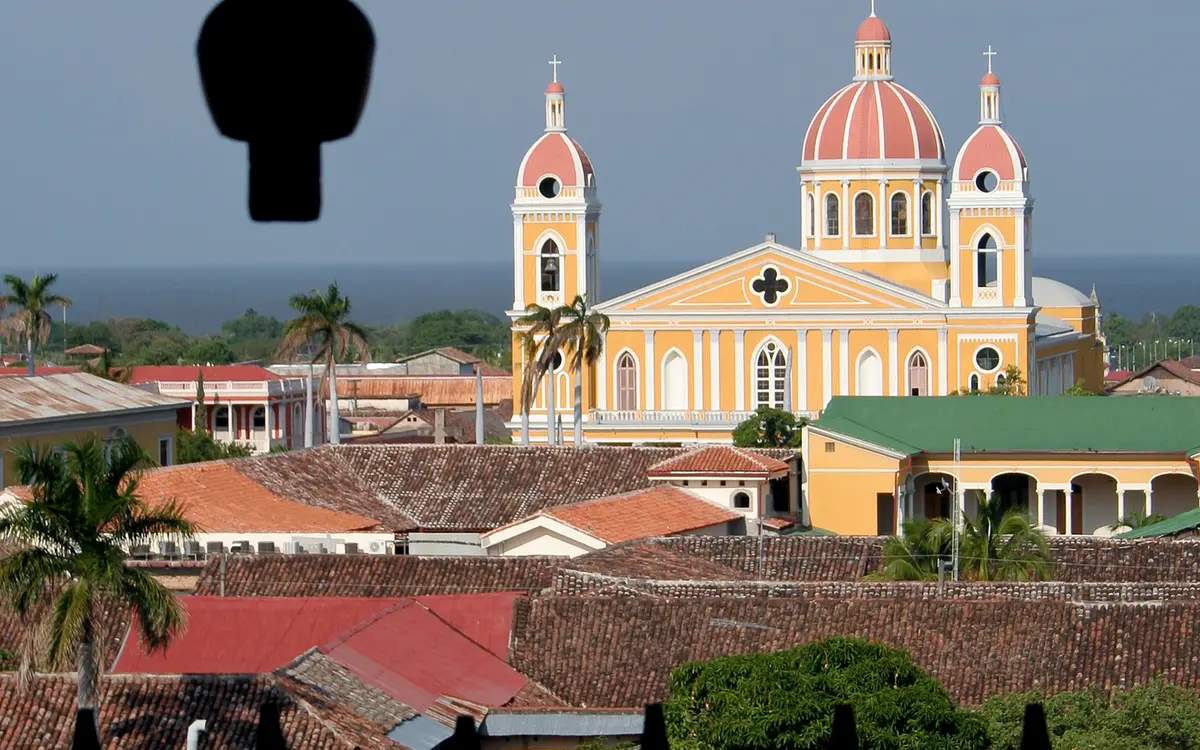
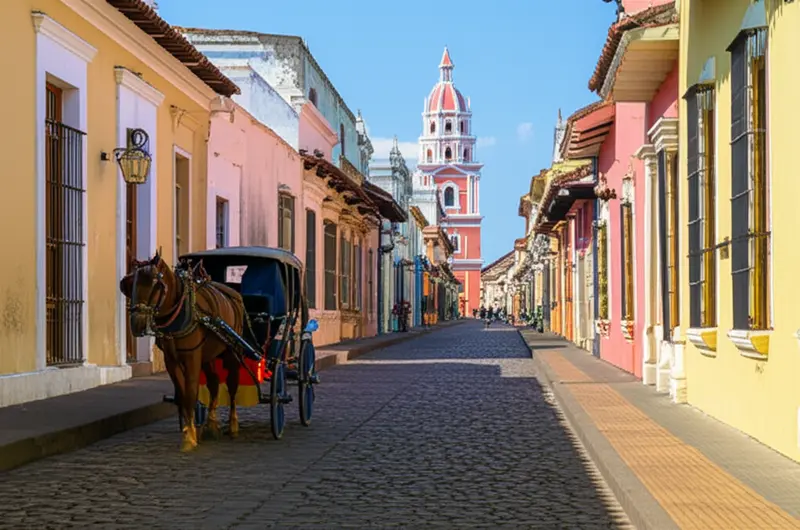
Granada, situated on the shores of Lake Nicaragua, is the country's most-visited city and a visual showcase of colonial architecture. The dry season (November through April) is the best time to explore its colorful streets, boat through the Isletas, and take day trips to Volcán Mombacho. The wet season brings afternoon downpours that can interrupt walking tours, though morning explorations remain pleasant.
Leon, located in the hot northwestern lowlands, is significantly warmer than Granada. It is the base for volcano boarding on Cerro Negro, one of Nicaragua's most iconic adventure activities. The best months to visit Leon are November through February, when temperatures are at their most tolerable. By March and April, the heat becomes oppressive, and the city feels like an oven. Volcano boarding operates year-round, but the climb up Cerro Negro's black sand slopes is far more enjoyable when it is not 38 degrees in the shade.
Both cities come alive during religious festivals. Granada's celebration of the Virgen de la Asuncion in August and Leon's Griteria on December 7 are among the most vibrant cultural events in the country.
Corn Islands: Caribbean Paradise
Big Corn Island and Little Corn Island, located 70 kilometers off Nicaragua's Caribbean coast, operate on a different weather pattern from the rest of the country. The Caribbean coast receives significantly more rainfall than the Pacific side, and the Corn Islands can see rain in any month.
The driest period on the Corn Islands runs from February through May, making these the best months for beach vacations, snorkeling, and diving. Water visibility is at its peak during this window, and the reef systems around Little Corn are spectacular. June and July are transitional, with increasing but still manageable rainfall.
The wettest months are September through November, when tropical storms and hurricanes in the Caribbean can bring extended periods of rain and rough seas. Ferry and small plane services from Bluefields can be disrupted during this period. If you plan to visit the Corn Islands during hurricane season, build flexibility into your itinerary and purchase travel insurance.
The Corn Islands are less developed and more remote than Nicaragua's Pacific coast destinations, which is part of their appeal. There are no cars on Little Corn Island, no ATMs, and limited internet. Pack cash in Cordobas and be prepared for a slower pace of life regardless of when you visit.
Best for beach and diving: February through May; avoid September through November.
Volcano Activities and Adventure Travel
Nicaragua is home to 19 volcanoes, several of which are active and offer unique adventure experiences. The timing for volcano activities varies depending on the specific destination.
Cerro Negro (volcano boarding): This young, active volcano near Leon is best climbed from November through February when temperatures are cooler. The activity runs year-round, but the intense heat of March through May and the rain of September through October can make the experience less enjoyable.
Masaya Volcano (lava viewing): One of the few places on earth where you can peer into an active lava lake, Masaya Volcano National Park is accessible year-round. Evening visits, when the glowing lava is most visible, are popular throughout the year. The dry season months provide clearer skies and less chance of clouds obscuring the crater.
Mombacho Volcano (cloud forest): This dormant volcano near Granada is draped in cloud forest and offers excellent hiking trails. The dry season (December through April) provides the best trail conditions, though the cloud forest is, by definition, often shrouded in mist regardless of season.
Concepcion and Maderas on Ometepe Island: The twin volcanoes of Ometepe Island in Lake Nicaragua offer challenging full-day hikes. Maderas, with its summit crater lake, is best attempted during the drier months of January through April, as the trail becomes extremely muddy and slippery during the wet season. Concepcion, the taller and more active of the two, is a strenuous climb in any season and should only be attempted with a guide.
Festivals and Cultural Events
Nicaragua's cultural calendar is rich with festivals that reflect its blend of indigenous, Spanish colonial, and Afro-Caribbean traditions.
La Purisima and La Griteria (December 7-8): The most important religious celebration in Nicaragua, honoring the Virgin Mary. On the evening of December 7, people go from house to house singing and receiving sweets and small gifts. Leon hosts the largest celebrations, with fireworks, music, and brightly decorated altars throughout the city.
Semana Santa (March or April): Holy Week is observed nationwide with processions and elaborate street decorations. Granada and Leon are the most atmospheric places to experience Semana Santa, with solemn processions winding through colonial streets.
San Sebastian Festival in Diriamba (January 17-27): This ten-day celebration features traditional dances, masks, and the famous "Toro Guaco" dance, blending indigenous and Spanish traditions. It provides a fascinating glimpse into Nicaraguan folk culture.
Palo de Mayo (May): A month-long Afro-Caribbean celebration on the Atlantic coast, centered in Bluefields. Maypole dances, reggae music, and Creole food dominate the festivities, offering a completely different cultural perspective from the Pacific side of the country.
Practical Tips for Planning Your Trip
- Book Corn Islands flights early. La Costena operates small planes from Managua, and flights fill up quickly during the dry season. The alternative is a long bus and boat journey through Bluefields.
- Carry cash outside major cities. ATMs are scarce in places like Ometepe Island, the Corn Islands, and smaller towns. Cordobas are essential; US dollars are accepted in tourist areas but at unfavorable rates.
- Start volcano hikes early. Begin your ascent at dawn to avoid the midday heat, regardless of the season. This is particularly important for Concepcion on Ometepe and Cerro Negro near Leon.
- Bring insect repellent for the Caribbean coast. Mosquitoes and sand flies are present year-round but are especially numerous during the wet season.
- Check road conditions during the wet season. Some rural roads, particularly on Ometepe Island and in the northern highlands, become difficult without a four-wheel-drive vehicle.
- Learn basic Spanish. Outside of Granada and San Juan del Sur, English is not widely spoken. A few key phrases will greatly enhance your interactions with local people.
Frequently Asked Questions
What is the best month to visit Nicaragua overall?
November and December are widely considered the best overall months. The dry season is just beginning, the landscape is still green from the rains, temperatures are not yet at their peak, and holiday festivities add cultural richness. February is another excellent choice, with settled dry weather and comfortable conditions across the country.
Is Nicaragua safe for solo travelers?
Nicaragua is generally considered one of the safest countries in Central America for travelers, including solo visitors. Granada, San Juan del Sur, Leon, and Ometepe Island all have established tourism infrastructure and welcoming local communities. Standard travel precautions apply: use reputable transportation, keep valuables secure, and avoid walking alone in unfamiliar areas at night.
When is the best time for volcano boarding at Cerro Negro?
The optimal months are November through February, when temperatures around Leon are at their most bearable. The activity operates year-round, but the climb to the summit (roughly 45 minutes of steep hiking on loose volcanic rock) is significantly more comfortable when it is not extremely hot. Morning departures are best regardless of the season.
Can I visit the Corn Islands during the wet season?
You can, but it requires flexibility. September through November carries the highest risk of travel disruptions due to rough seas and potential tropical storms. Flights and boat services may be canceled on short notice. If visiting during the wet season, allow extra days in your itinerary in case of delays. June and July are better wet-season options, as rainfall is present but typically manageable and storms are less likely.
Conclusion
Nicaragua offers travelers a compelling mix of adventure, culture, and natural beauty in every season. For first-time visitors seeking the most reliable weather and the widest range of activities, the dry season months of November through April are the safest bet, with November, December, and February standing out as the best overall months. Surfers will find their ideal conditions from June through August, while budget travelers can take advantage of significant discounts during the wet season. Time your visit around the Griteria in December or Semana Santa in spring for an added cultural dimension. Whatever season you choose, Nicaragua's volcanoes, colonial treasures, and Caribbean charm will deliver an experience unlike anywhere else in Central America.

About the Author
Hotels CA TeamEditorial Research Team
Hotels CA Team is the editorial desk behind these Central America hotel and travel guides. We research public property information, official sources, and traveler feedback. A hotel page is not a personal visit unless the article says so.