How Much Does Nicaragua Cost in 2026? $21–$48 a Day
Hostel $8–18, comida corriente $2–4, chicken buses under $2. Granada, León, San Juan del Sur, and Corn Islands flights $123–205.
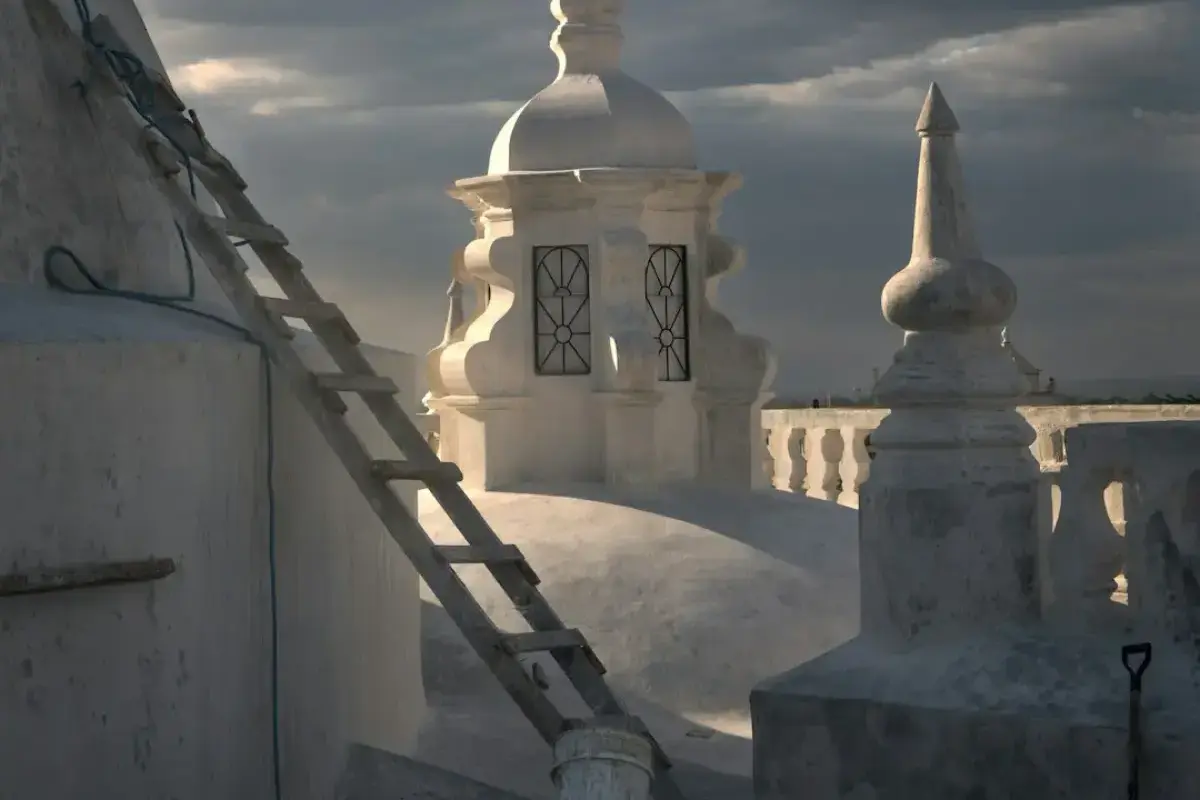
Table of Contents
Short answer: a backpacker day in the table below is $21–48. Mid-range is $85–180 if you want colonial hotels and tourist shuttles. Early-2026 Cordobas sit around C$36–37 per USD; paying in Cordobas beats rounding in dollars. Corn Islands flights are the spike: $123–205 round trip on La Costeña.
Compare with the El Salvador pupusa-budget page or the 2026 backpacking route. Hotels and timing live on the Nicaragua hub and the dry-season months guide.
What $21–$48 actually buys (Granada, León, islands)
Nicaragua consistently ranks as one of the most affordable countries in Central America, offering travelers remarkable value across accommodation, food, transport, and activities. While neighboring Costa Rica has seen prices climb steadily with its tourism boom, Nicaragua has maintained its reputation as a destination where your money stretches significantly further -- without sacrificing the natural beauty, culture, or adventure that draw visitors to the region.
The official currency is the Nicaraguan Cordoba (NIO), commonly written as "C$." As of early 2026, the exchange rate sits around C$36-37 to 1 US Dollar. The Cordoba has been relatively stable in recent years, depreciating gradually against the dollar at a controlled rate set by the Central Bank. US dollars are widely accepted in tourist areas like Granada, San Juan del Sur, and the Corn Islands, but you will consistently get better value paying in Cordobas. ATMs are available in all major cities and tourist towns, and most dispense Cordobas. Some ATMs in Granada and Managua also offer dollar withdrawals. Visa and Mastercard work at hotels, larger restaurants, and supermarkets, but cash is king at local markets, street stalls, and in rural areas.
What makes Nicaragua special for budget travelers is not just the low prices -- it is the quality of experience available at every price point. A $15-per-night guesthouse in Granada might come with a colonial courtyard, rocking chairs, and a home-cooked breakfast. A $3 meal at a local comedor will be generous, freshly prepared, and full of flavor. Even mid-range and luxury travelers find that their money buys considerably more in Nicaragua than in Costa Rica or Panama.
Accommodation Costs
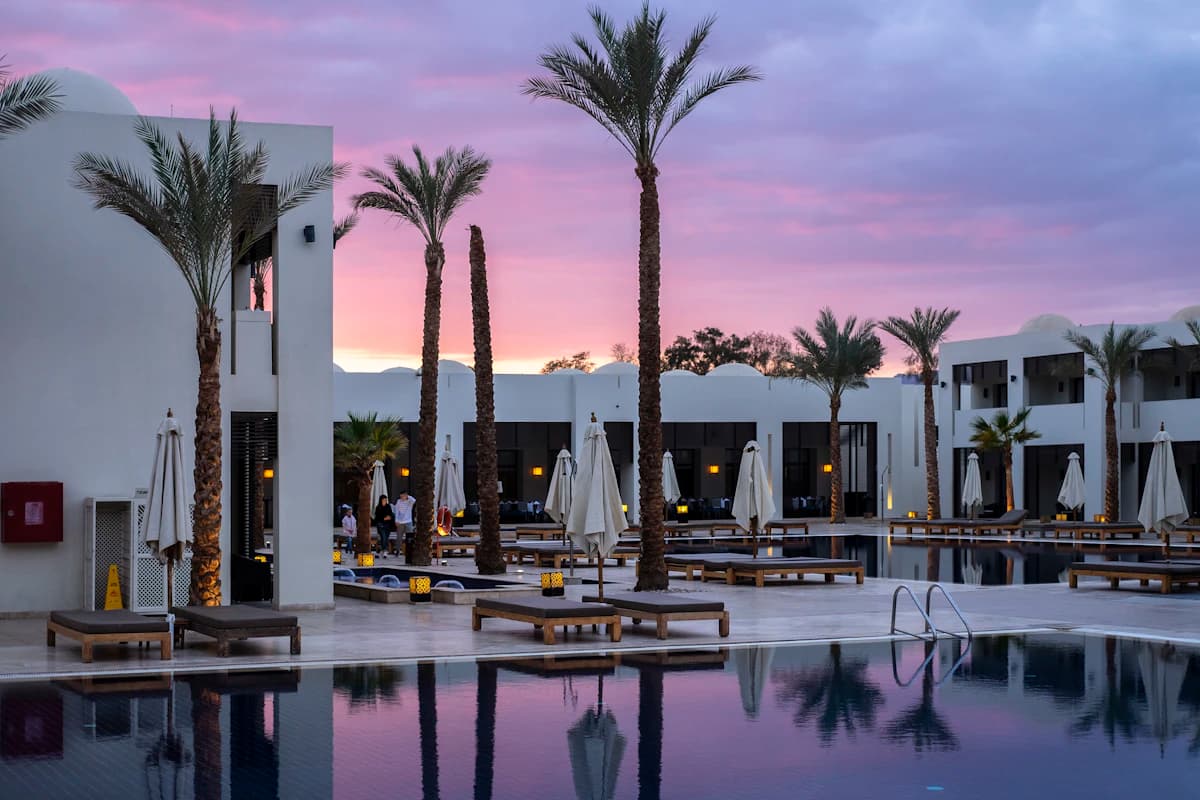
Nicaragua offers excellent value across all accommodation categories. The hostel scene is well-developed in the main tourist corridors, and mid-range options deliver surprising quality for the price.
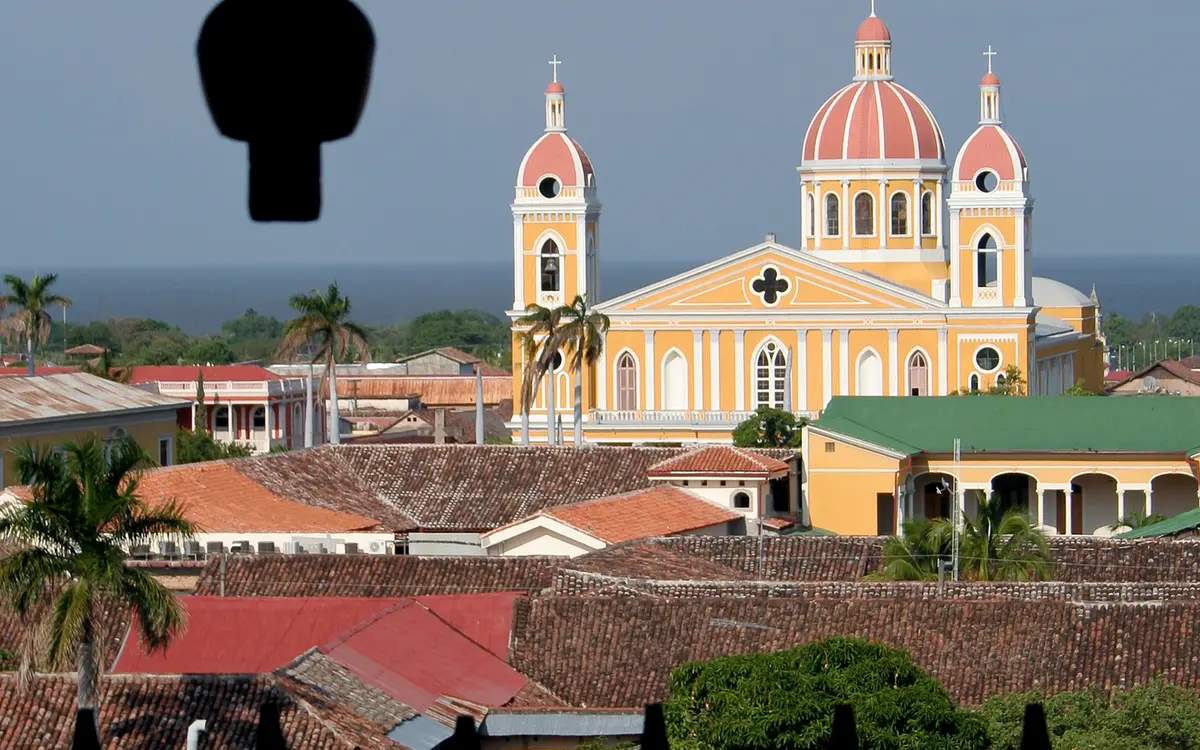
Granada:
- Hostels: C$350-550 ($10-15 USD) per night for a dorm bed; private rooms from C$550-900 ($15-25 USD)
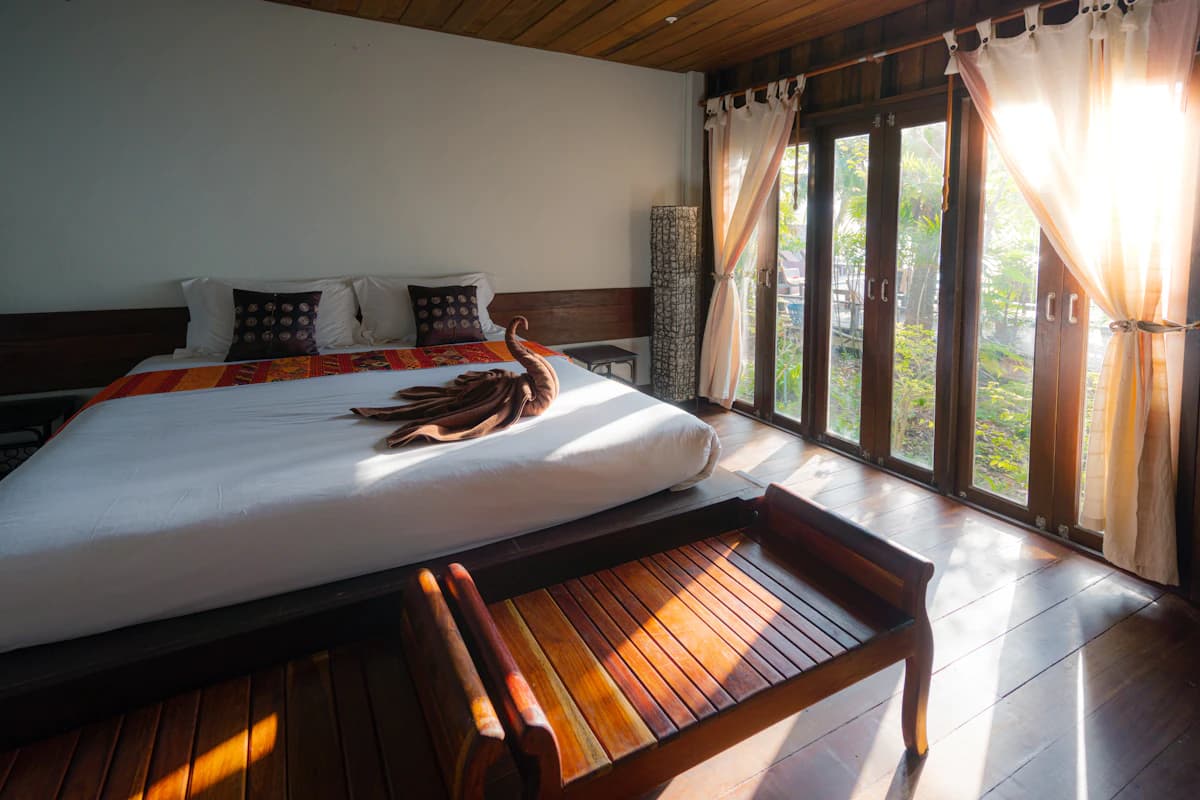
- Mid-range colonial hotels: C$1,100-2,500 ($30-68 USD) per night for beautifully restored properties with courtyards and pools
- Boutique and luxury hotels: C$3,000-7,500 ($82-205 USD) per night at the finest colonial properties
Leon:
- Hostels: C$280-500 ($8-14 USD) per night; Leon is slightly cheaper than Granada
- Mid-range hotels and guesthouses: C$900-2,000 ($25-55 USD) per night
- Boutique hotels: C$2,200-5,000 ($60-137 USD) per night
San Juan del Sur:
- Hostels and surf camps: C$350-700 ($10-19 USD) per night for dorm beds; many include surf lessons in package deals
- Mid-range beachfront hotels: C$1,500-3,500 ($41-96 USD) per night
- Luxury villas and resorts: C$5,500-18,000 ($150-490 USD) per night
Corn Islands:
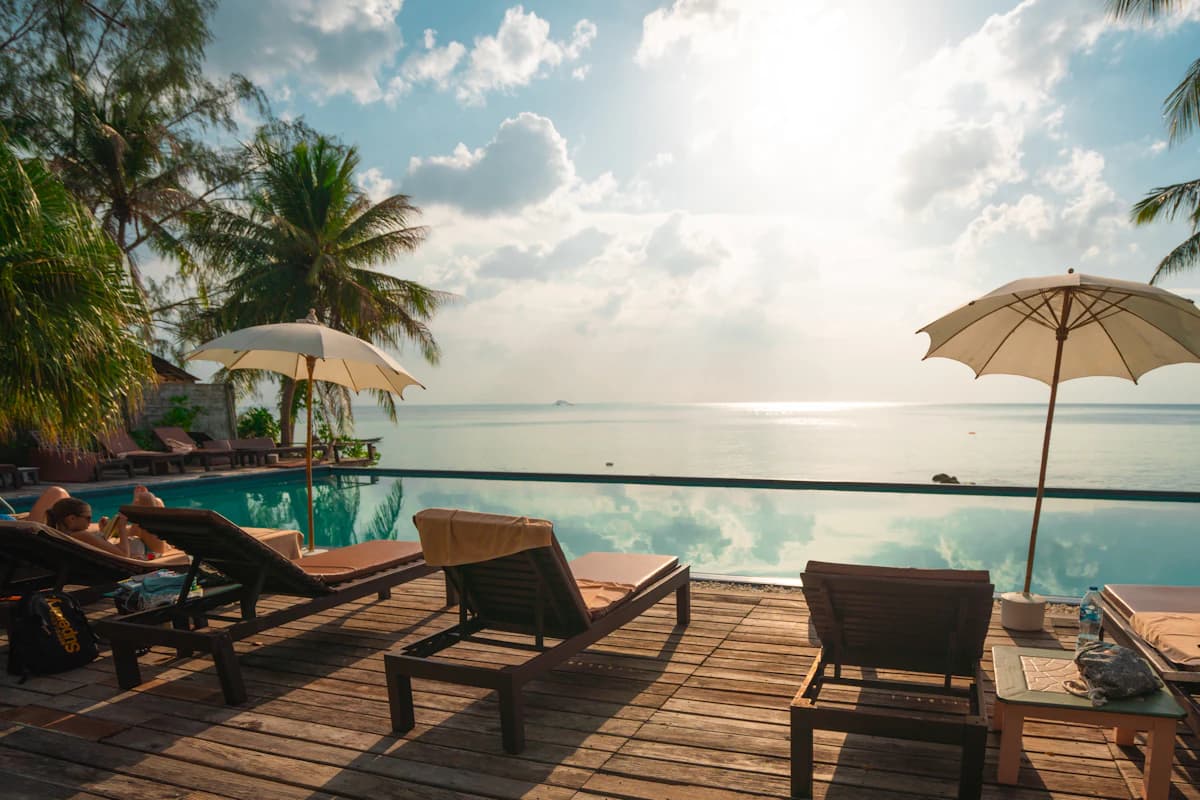
- Budget guesthouses (Big Corn): C$550-1,100 ($15-30 USD) per night
- Mid-range hotels (Little Corn): C$1,800-4,000 ($49-110 USD) per night; Little Corn is pricier but more scenic
- Boutique resorts (Little Corn): C$5,500-11,000 ($150-300 USD) per night
Ometepe Island:
- Hostels and basic guesthouses: C$280-700 ($8-19 USD) per night
- Eco-lodges and farm stays: C$1,100-2,500 ($30-68 USD) per night
- Charming lakeside hotels: C$2,000-4,500 ($55-123 USD) per night
Food and Dining Costs
Nicaraguan food is simple, satisfying, and incredibly affordable. The cuisine revolves around rice, beans, plantains, fresh cheese, and grilled meats, with regional variations that make eating your way through the country a genuine pleasure.
Street Food and Local Comedores:
- Gallo pinto (the national dish of rice and beans, often served for breakfast with eggs and cheese): C$60-120 ($1.60-3.30 USD)
- Comida corriente (set lunch with meat, rice, beans, salad, and a drink): C$80-150 ($2.20-4.10 USD)
- Nacatamal (Nicaraguan tamale, a weekend specialty): C$40-70 ($1.10-1.90 USD)
- Vigoron (yuca with chicharron and cabbage salad): C$50-80 ($1.40-2.20 USD)
- Quesillo (tortilla with cheese, onion, and cream, a roadside classic): C$30-50 ($0.80-1.40 USD)
- Fresh fruit juices: C$20-40 ($0.55-1.10 USD)
Restaurants:
- Casual restaurant meal in Granada or Leon: C$180-400 ($5-11 USD) per person
- Mid-range restaurant dinner: C$400-800 ($11-22 USD) per person
- Upscale dining: C$800-1,800 ($22-49 USD) per person; Nicaragua's top restaurants remain a fraction of what you would pay in Costa Rica
Food on the Corn Islands:
- Prices are 30-50% higher than the mainland due to shipping costs
- Local seafood meals: C$250-500 ($7-14 USD) per person
- Restaurant dinners: C$500-1,200 ($14-33 USD) per person
Tip: The mercado municipal (municipal market) in any Nicaraguan city is the cheapest place to eat. In Granada's market, a full meal with drink costs under C$80 ($2.20 USD). The food is fresh, made to order, and gives you an authentic local experience.
Transportation Costs
Nicaragua's transport network is functional and cheap, though comfort levels vary. The country is small enough that no bus ride takes more than 7-8 hours, and the famous "chicken buses" are an experience in themselves.
Chicken Buses (Local Transport):
- Most routes cost C$10-50 ($0.30-1.40 USD)
- Managua to Granada: C$35-45 ($1-1.25 USD), about 1.5 hours
- Managua to Leon: C$45-55 ($1.25-1.50 USD), about 2 hours
- Granada to Rivas (for San Juan del Sur): C$50-65 ($1.40-1.80 USD), about 2.5 hours
Express and First-Class Buses:
- Managua to Leon (express minivan): C$120-180 ($3.30-5 USD)
- Managua to Granada (express): C$80-120 ($2.20-3.30 USD)
- Tica Bus or TransNica (international routes): Prices vary, typically $25-60 USD to neighboring countries
Shuttles (Tourist Transport):
- Granada to San Juan del Sur: C$550-700 ($15-19 USD) per person
- Granada to Leon: C$400-600 ($11-16 USD) per person
- San Juan del Sur to Managua Airport: C$700-1,000 ($19-27 USD) per person
Flights to the Corn Islands:
- Managua to Big Corn Island: C$4,500-7,500 ($123-205 USD) round trip on La Costena airlines
- This is the only practical way to reach the Corn Islands; the alternative is a grueling overland and boat journey through the Caribbean coast that takes 12+ hours
Ometepe Island Ferry:
- San Jorge to Moyogalpa (Ometepe): C$50-80 ($1.40-2.20 USD) one way; the crossing takes about 1 hour
- Fast boat option: C$100-150 ($2.75-4.10 USD)
Local Transport:
- Taxis in Managua: C$70-200 ($2-5.50 USD) per ride; always negotiate before boarding
- Taxis in Granada/Leon: C$30-70 ($0.80-1.90 USD) for trips within town
- Bicycle rental (popular in Granada and Ometepe): C$180-350 ($5-10 USD) per day
Activities and Attractions
Nicaragua packs a surprising amount of diversity into a small country. Volcanoes, colonial cities, surf beaches, islands, and cloud forests all come at prices that make neighboring Costa Rica look expensive by comparison.
Volcano Activities:
- Cerro Negro volcano boarding (Leon): C$900-1,200 ($25-33 USD) including transport, board, and guide
- Masaya Volcano National Park (night tour to see lava): C$360-550 ($10-15 USD) entrance plus guide
- Telica Volcano sunset hike: C$700-1,000 ($19-27 USD) guided tour
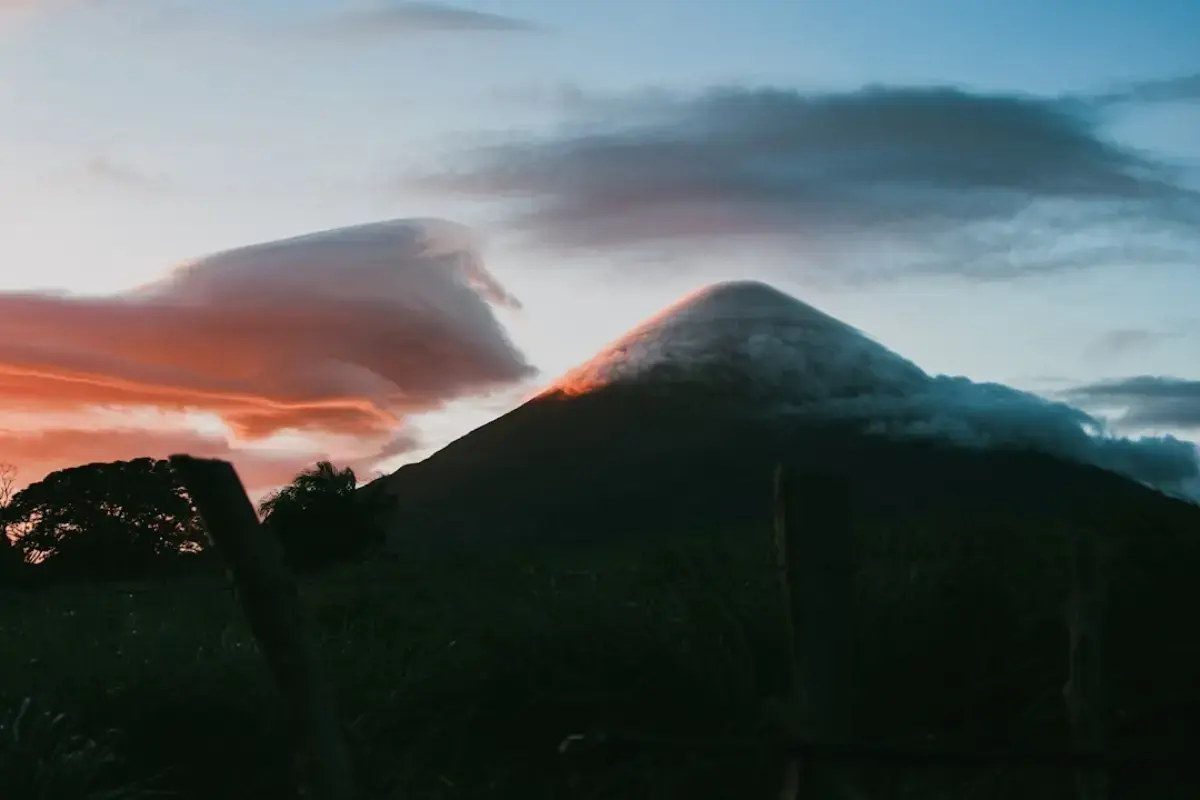
- Concepcion or Maderas volcano hike (Ometepe): C$550-900 ($15-25 USD) with a mandatory guide
Surfing (San Juan del Sur area):
- Surf lesson (2 hours with board): C$700-1,100 ($19-30 USD)
- Daily board rental: C$350-550 ($10-15 USD)
- Surf shuttle to nearby beaches (Maderas, Playa Remanso): C$180-350 ($5-10 USD) round trip
Cultural and Historical Sites:
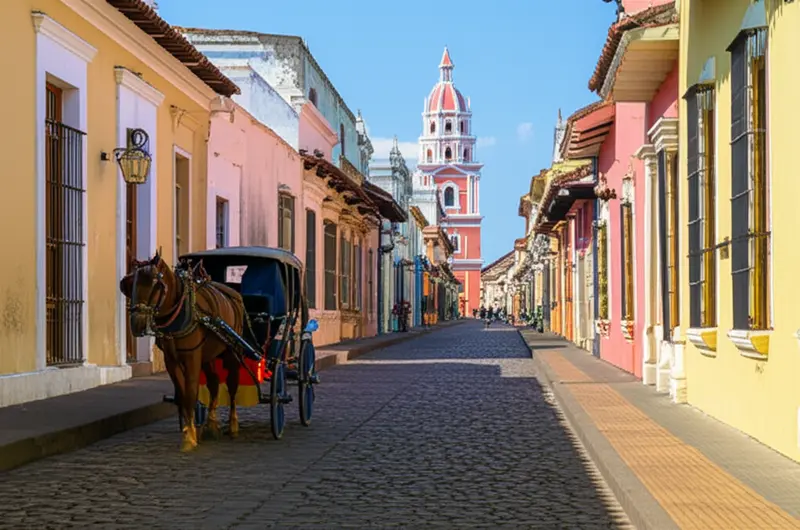
- Granada city tour by horse-drawn carriage: C$550-900 ($15-25 USD)
- Las Isletas boat tour (Granada): C$350-700 ($10-19 USD)
- Leon Cathedral rooftop tour: C$75 ($2 USD) entrance
- Museo de la Revolucion (Leon): C$75-110 ($2-3 USD)
Corn Islands Activities:
- Snorkeling trip: C$550-1,100 ($15-30 USD)
- PADI Open Water dive certification: C$11,000-14,500 ($300-395 USD)
- Two-tank fun dive: C$1,800-2,500 ($49-68 USD)
- Panga boat from Big Corn to Little Corn: C$250-350 ($7-10 USD) one way
Daily Budget Breakdown by Travel Style
| Category | Budget Traveler | Mid-Range Traveler | Luxury Traveler |
|---|---|---|---|
| Accommodation | $8-18 | $35-75 | $120-350+ |
| Food | $6-12 | $20-40 | $50-100 |
| Transportation | $2-6 | $10-25 | $30-70 |
| Activities | $5-12 | $20-40 | $50-120 |
| Daily Total | $21-48 | $85-180 | $250-640+ |
| Weekly Total | $147-336 | $595-1,260 | $1,750-4,480+ |
Notes:
- Budget travelers stay in hostels, eat at comedores and markets, ride chicken buses, and focus on free or low-cost activities like beach days, city walks, and independent volcano hikes.
- Mid-range travelers enjoy private rooms at colonial hotels, dine at a mix of local and tourist-oriented restaurants, use tourist shuttles, and participate in organized tours.
- Luxury travelers book boutique properties, dine at the best restaurants, use private transfers, and opt for premium experiences. Even at the luxury level, Nicaragua undercuts most of its neighbors.
Money-Saving Tips for Nicaragua
-
Eat at the mercado. Municipal markets in Granada, Leon, Masaya, and other cities serve full meals for under $2.50 USD. The food is fresh and authentic, and you will be eating alongside locals.
-
Take chicken buses for short routes. For trips under 3 hours, the local buses are frequent, cheap, and safe during daylight hours. They stop everywhere, so just flag them down from the roadside.
-
Surf in the shoulder season (May-June or November). San Juan del Sur's accommodation prices drop by 30-40% outside peak season, and the surf remains consistent. Hostels with surf packages offer the best value.
-
Skip the tourist shuttle between Granada and Leon. The express minivan from Managua's UCA terminal costs a fraction of the shuttle price, and the route is straightforward.
-
Stay on Big Corn Island instead of Little Corn for budget travel. Little Corn is more picturesque but pricier. Big Corn has more budget accommodation options and cheaper food. You can still visit Little Corn on a day trip by panga boat.
-
Rent a bicycle on Ometepe. The island is flat enough (along the isthmus) for comfortable cycling, and bike rentals cost just $5-10 USD per day. This saves on taxi and bus fares and lets you explore at your own pace.
-
Pay in Cordobas, not dollars. While dollars are accepted in tourist areas, vendors often round up when converting, effectively charging you a premium. Withdraw Cordobas from ATMs for the best exchange rate.
-
Book Corn Islands flights in advance. La Costena flights to the Corn Islands sell out during holidays and weekends. Booking 2-3 weeks ahead often secures better fares and guarantees a seat.
Frequently Asked Questions
How much does a two-week trip to Nicaragua cost?
A budget traveler spending two weeks in Nicaragua can expect to spend $300-670 USD, not including international flights. This assumes hostel accommodation, local food, chicken buses, and selective activities. A mid-range two-week trip runs $1,200-2,500 USD, with private hotel rooms, comfortable transport, organized tours, and restaurant meals. Luxury travelers will spend $3,500-9,000 USD or more, depending on accommodation choices and activities. Adding a trip to the Corn Islands (flights run $123-205 USD round trip) increases costs but is worth the splurge for the Caribbean experience.
Is Nicaragua safe for budget travelers?
Nicaragua is generally safe for travelers who exercise standard precautions. Granada, Leon, San Juan del Sur, Ometepe, and the Corn Islands are all well-established tourist destinations with good safety records. Managua requires more caution -- avoid walking at night in unfamiliar areas and use authorized taxis or rideshare apps. Budget travelers should keep valuables secure, use hotel safes, and avoid displaying expensive electronics in crowded areas. Solo female travelers are common in Nicaragua, particularly in the surf and backpacker scene around San Juan del Sur.
What is the best time to visit Nicaragua on a budget?
The "green season" (May through November) offers the best deals, with accommodation prices dropping 20-40% across the country. September and October see the heaviest rains but also the lowest prices. The shoulder months of May-June and November offer a good balance of lower prices, fewer crowds, and manageable weather. The dry season (December through April) is peak tourist season with higher prices, especially around Christmas, New Year, and Semana Santa (Easter week), when Nicaraguans themselves flood the beaches and colonial cities.
Can I get by with just a credit card in Nicaragua?
Not comfortably. While credit cards are accepted at hotels, larger restaurants, tour operators, and supermarkets in tourist areas, the vast majority of daily transactions in Nicaragua require cash. Local comedores, market stalls, chicken buses, taxis, small shops, and many budget accommodations only accept Cordobas. ATMs are available in all major towns, but not always on smaller islands or in rural areas. Plan to carry enough cash for 2-3 days of expenses, and always have small bills -- breaking large denominations (C$500 or C$1,000 notes) at small vendors can be challenging.

About the Author
Hotels CA TeamEditorial Research Team
Hotels CA Team is the editorial desk behind these Central America hotel and travel guides. We research public property information, official sources, and traveler feedback. A hotel page is not a personal visit unless the article says so.