Granada and León: A Guide to Nicaragua's Historic Colonial Cities
Explore Nicaragua's two great colonial cities — Granada and León. Architecture, culture, food, and practical travel tips for visiting Central America's most colorful urban destinations.
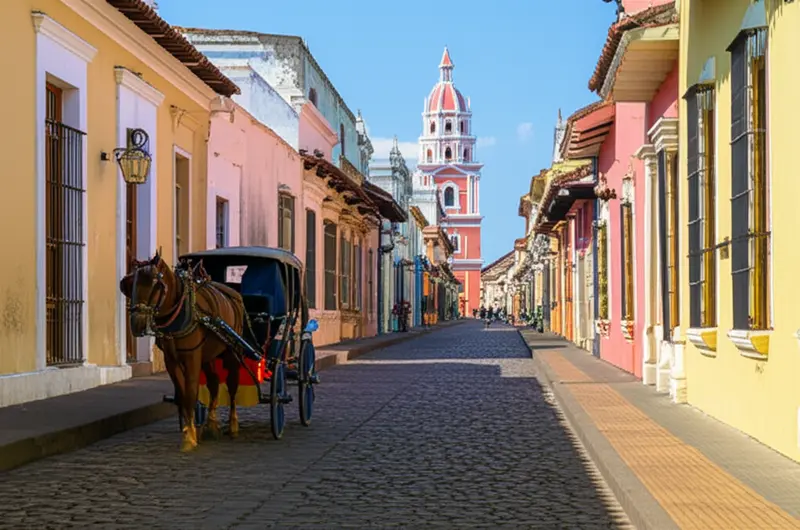
Table of Contents
Two Cities, One Unforgettable Journey
Nicaragua's two great colonial cities — Granada and León — have been rivals since the Spanish conquest nearly five hundred years ago. Founded within two years of each other in the 1520s, these cities have spent centuries competing for political dominance, cultural prestige, and the affection of their countrymen. Today, that historic rivalry translates into a friendly competition to charm visitors, and the result is two of the most captivating urban destinations in all of Central America. A visit to both cities reveals the fascinating duality at the heart of Nicaraguan identity, and the short distance between them (about 90 minutes by road) makes combining them in a single trip both easy and rewarding.
Granada: The Conservative Jewel
History and Character
Granada, founded in 1524, claims the title of the oldest colonial city in mainland America. Sitting on the shores of Lake Nicaragua (Lago Cocibolca), Central America's largest lake, Granada has historically been the stronghold of Nicaragua's conservative elite — wealthy merchants, landowners, and church leaders who built grand homes and ornate churches that still define the city's character today. The city's colorful colonial architecture, arranged in a classic Spanish grid around the central Parque Central, creates one of the most photogenic urban landscapes in Latin America. Streets of yellow, terracotta, blue, and white buildings with massive wooden doors, interior courtyards, and terracotta tile roofs transport visitors to another era while the cafes, restaurants, and boutique hotels within them provide thoroughly contemporary comfort.
Must-See Attractions
Parque Central and the Cathedral
The heart of Granada beats in its central park, a shady plaza that serves as the city's living room. Locals gather on benches, vendors sell vigorón (a traditional dish of yucca, chicharrón, and cabbage salad), and horse-drawn carriages wait to take visitors on tours of the surrounding streets. The yellow Cathedral of Granada, rebuilt multiple times after fires and filibuster attacks, dominates the eastern side of the plaza. Climbing the cathedral bell tower provides the best aerial view of the city, with the lake stretching to the horizon beyond the rooftops.
Calle La Calzada
This pedestrian-friendly boulevard stretches from Parque Central down to the lakefront, lined with restaurants, bars, and street performers. In the evenings, La Calzada comes alive with locals and visitors alike, dining al fresco, listening to marimba music, and enjoying the warm tropical air. The street's development has been carefully managed to preserve the colonial aesthetic while accommodating the growing tourism economy.
Las Isletas
One of Granada's most unique attractions is the archipelago of 365 small islands scattered in Lake Nicaragua just offshore from the city. Formed by an ancient eruption of nearby Volcán Mombacho, these islets are covered in tropical vegetation and are home to a small fishing community, several private homes, restaurants accessible only by boat, a Spanish fort, and abundant bird life. Boat tours departing from the Granada marina offer a peaceful escape from the city, weaving through narrow channels between forested islands while monkeys chatter in the treetops and herons stand sentinel on rocky shores.
Volcán Mombacho
Rising 1,344 meters above Granada, Volcán Mombacho and its cloud forest nature reserve offer excellent hiking just twenty minutes from the city center. Three well-maintained trails of varying difficulty wind through the cloud forest, which is home to orchids, bromeliads, howler monkeys, and the endemic Mombacho salamander. The summit crater provides extraordinary views over Granada, Lake Nicaragua, Las Isletas, and on clear days, the distant twin cones of Ometepe island. A canopy zipline tour through the cloud forest provides an alternative perspective for those who prefer their nature with a dose of adrenaline.
Convento y Museo San Francisco
The oldest church in Central America houses a museum that includes a remarkable collection of pre-Columbian statuary from the island of Zapatera in Lake Nicaragua. These basalt figures, some standing over two meters tall and dating back over a thousand years, depict human-animal hybrid forms that offer tantalizing glimpses into the spiritual beliefs of Nicaragua's indigenous peoples. The convent building itself, with its colonial-era cloisters and peaceful gardens, provides a cool, contemplative retreat from the heat of the streets outside.
Where to Eat in Granada
Granada's dining scene has evolved significantly in recent years, with a growing number of restaurants that go far beyond tourist fare. Traditional Nicaraguan cuisine anchors the scene — vigorón, nacatamales (Nicaragua's version of tamales, wrapped in banana leaves and filled with pork, rice, and vegetables), and gallo pinto (the iconic rice and beans that fuel the nation) are available everywhere from market stalls to upscale restaurants. International options have proliferated, with quality Italian, Mexican, Asian, and vegetarian restaurants joining the mix. The Chocolate Museum, despite its name, functions as an excellent restaurant and cafe that also offers chocolate-making workshops using Nicaraguan cacao. For the most authentic experience, explore the municipal market where local comedores serve generous plates of home-style cooking at prices that astonish visitors from more expensive countries.
León: The Revolutionary Heart
History and Character
León, founded in 1524 and relocated to its current site in 1610 after an earthquake destroyed the original city, has historically been the seat of Nicaragua's liberal, intellectual, and revolutionary movements. Home to the country's oldest university, UNAN-León, the city has a distinctly youthful, progressive energy that contrasts with Granada's more stately atmosphere. León's streets are adorned with vibrant murals celebrating the Sandinista revolution, literary heroes, and social justice themes, creating an open-air gallery that reflects the city's activist spirit. The city is also the birthplace and spiritual home of Rubén Darío, considered the father of the Modernismo literary movement and one of the most influential poets in the Spanish language.
Must-See Attractions
Catedral de la Asunción
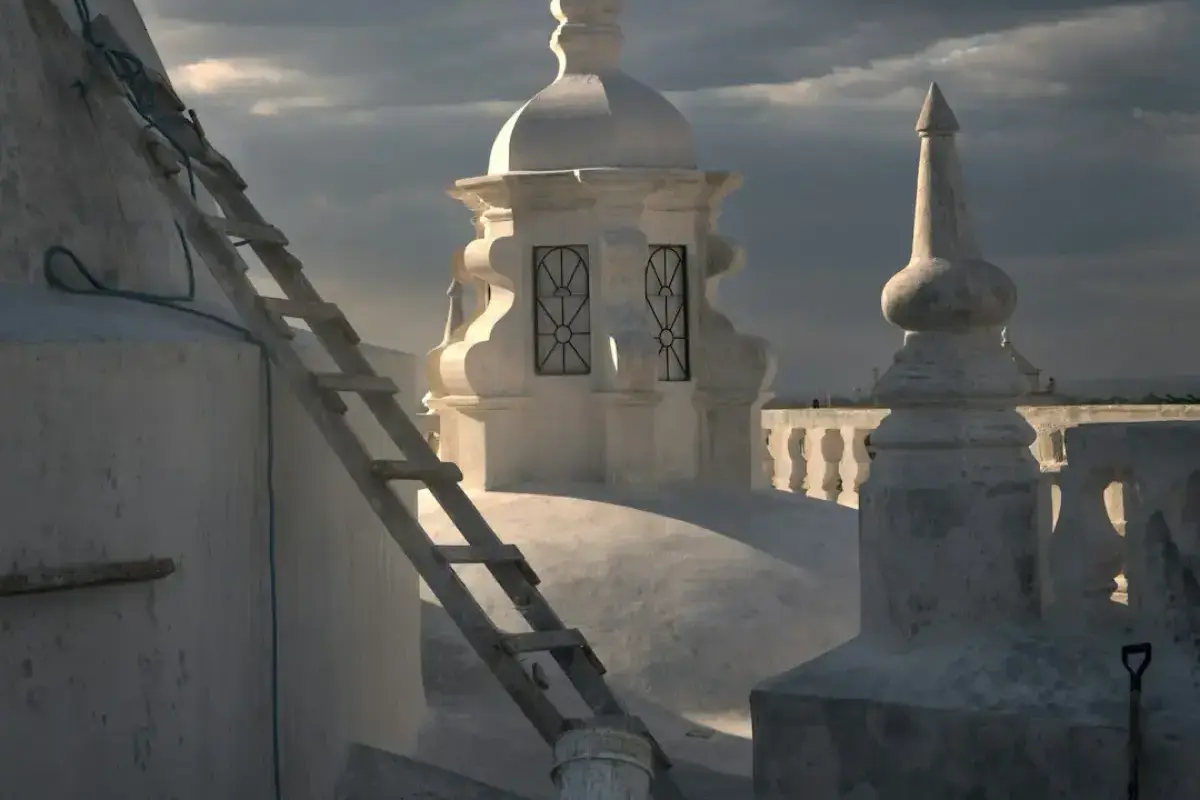
León's cathedral is the largest in Central America and a UNESCO World Heritage Site. Construction began in 1747 and took over a hundred years to complete, resulting in a massive structure that blends Baroque and Neoclassical elements. The interior houses significant colonial-era artwork, including the Stations of the Cross painted by Nicaraguan artist Antonio Sarria. The true highlight for many visitors is the rooftop tour — climbing to the top of the cathedral provides access to the whitewashed roof, where visitors can walk among the domes and bell towers while enjoying panoramic views that extend from the Pacific coast to the volcanic chain of the Maribios range. The experience of standing atop this massive colonial structure, with volcanoes steaming on the horizon, is unforgettable.
Rubén Darío Museum
Located in the house where the poet lived as a child, this museum preserves personal belongings, manuscripts, first editions, and photographs that chronicle the life and work of Nicaragua's most celebrated literary figure. Even for visitors unfamiliar with Darío's poetry, the museum provides fascinating insight into nineteenth-century Nicaraguan life and the intellectual currents that shaped the country's cultural identity. The museum is housed in a beautiful colonial home that has been carefully restored, and the guided tours (available in Spanish and English) bring Darío's story to life with passion and detail.
Murals and Street Art
León's walls tell the city's story in vivid color. Political murals dating from the Sandinista revolution of 1979 and the subsequent civil conflicts of the 1980s share space with contemporary street art that addresses themes from environmentalism to gender equality. A self-guided mural walk through the city center and surrounding neighborhoods reveals layers of history and social commentary that provide deeper understanding of Nicaragua's complex recent past than any textbook could. The area around the university and the neighborhood of Sutiaba are particularly rich in mural art.
Cerro Negro Volcano Boarding
For the adventurous, Cerro Negro — a young, active cinder cone volcano about 25 minutes from León — offers one of Central America's most unique experiences: volcano boarding. After hiking approximately 45 minutes to the 728-meter summit, participants sit on a wooden board and slide down the steep volcanic slope at speeds that can exceed 50 kilometers per hour. The experience is thrilling, the views from the summit are spectacular, and the bragging rights are considerable. Multiple tour operators in León offer the experience, including equipment, transportation, and guides.
The Ruins of León Viejo
Located about 30 kilometers from modern León, the ruins of the original city — destroyed by a volcanic eruption in 1610 — are a UNESCO World Heritage Site that offers a haunting glimpse into the early colonial period. Excavations have revealed the remains of the original cathedral, several colonial houses, and the graves of notable historical figures including the city's founder, Francisco Hernández de Córdoba. The site's location at the base of the still-active Momotombo volcano adds dramatic context to the story of the original city's destruction.
Where to Eat in León
León's food scene reflects the city's character — unpretentious, flavorful, and full of pleasant surprises. The central market is the beating heart of the culinary scene, with rows of comedores serving traditional Nicaraguan breakfast and lunch dishes at incredibly low prices. Quesillo — a rolled tortilla filled with soft cheese, pickled onions, and cream, served in a plastic bag — is a signature León street food that every visitor should try. The city's university population supports a lively cafe culture, with several excellent coffee shops serving Nicaraguan specialty coffee in atmospheric colonial-era spaces. International dining options are growing, with pizza, sushi, and burger joints joining the traditional offerings, though the local cuisine remains the star attraction.
Granada vs León: How to Choose (Or Don't)
While both cities share colonial Spanish architecture and Nicaraguan warmth, their personalities are distinct enough that they offer genuinely different experiences.
Choose Granada if you prefer: romantic colonial atmosphere, lakeside setting, easy access to nature (Mombacho, Las Isletas), more developed tourist infrastructure, quieter evenings, boutique hotel options.
Choose León if you prefer: revolutionary history, street art and murals, cathedral rooftop views, volcano boarding and beach access, university-town energy, more local and less touristy atmosphere, lower prices.
Best answer: Visit both. The cities are about 90 minutes apart by bus or shuttle, and spending two to three nights in each gives you enough time to explore the highlights while soaking up each city's unique atmosphere. Most travelers find that the contrast between the two enhances their appreciation of both.
Practical Information
Getting There
Both cities are accessible by bus and shuttle from Managua's international airport. Granada is approximately one hour from Managua, while León is about ninety minutes. Tourist shuttles are the most comfortable option and can be booked through hotels or travel agencies. Public buses are significantly cheaper and run frequently between all three cities.
When to Visit
The dry season from November through April offers the most comfortable weather, with warm temperatures and sunny skies. December through February is peak season with slightly higher prices and more visitors. The rainy season from May through October brings afternoon showers but also lush green landscapes, fewer tourists, and lower prices. Both cities are enjoyable year-round.
Safety
Nicaragua is generally one of the safest countries in Central America for travelers. Normal urban precautions apply — avoid displaying expensive items, use authorized taxis at night, and stay aware of your surroundings. Both Granada and León have tourist police who patrol popular areas and are helpful to visitors.
Budget
Nicaragua remains one of the most affordable countries in Central America. Budget travelers can get by on $30 to $40 USD per day including accommodation, food, and activities. Mid-range travelers spending $60 to $80 per day will enjoy comfortable hotels, good restaurants, and guided tours. Luxury options, while growing, are still limited compared to neighboring Costa Rica, but several excellent boutique hotels in both cities offer high-quality experiences at prices that represent excellent value.
Final Thoughts
Granada and León represent the two faces of Nicaragua — one elegant and traditional, the other passionate and revolutionary. Together, they tell the story of a country that has been shaped by the creative tension between these opposing forces. For travelers, this duality translates into a richly rewarding experience: colonial architecture that rivals Antigua or Cartagena, cultural depth that few Central American destinations can match, and an authenticity that comes from places not yet overwhelmed by mass tourism. Visit now, while Nicaragua's colonial cities still feel like discoveries rather than destinations, and you will be rewarded with experiences and memories that endure.

About the Author
Hotels CA TeamEditorial Research Team
Hotels CA Team is the editorial desk behind these Central America hotel and travel guides. We research public property information, official sources, and traveler feedback. A hotel page is not a personal visit unless the article says so.