Hotels in Nicaragua's Colonial Cities: Where to Stay in Granada and León
Discover the best hotels in Granada and León, Nicaragua's most charming colonial cities. From converted convents to boutique gems, your complete accommodation guide.
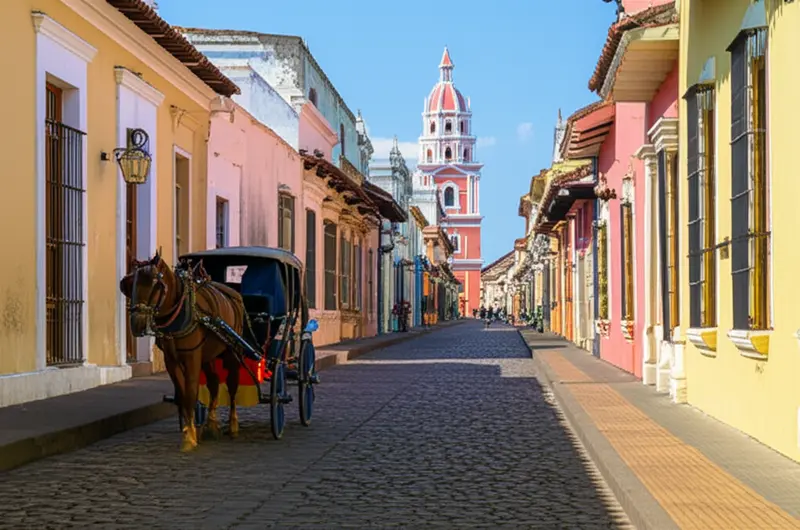
Table of Contents
Nicaragua's Colonial Heritage: Two Cities, Two Personalities
Nicaragua's colonial cities of Granada and León represent two sides of the country's rich Spanish heritage. Founded in 1524, both cities are among the oldest European settlements in the Americas, yet they couldn't be more different in character. Granada sits on the shores of Lake Nicaragua, conservative and colorful, its streets lined with pastel-painted colonial mansions and horse-drawn carriages. León, 90 kilometers to the northwest, is the intellectual and revolutionary heart of the nation — a university city of grand cathedrals, world-class street art, and a fiery independent spirit.
For travelers, these twin pillars of Nicaraguan culture offer exceptional hotel experiences. A wave of renovation has transformed centuries-old buildings into boutique accommodations that blend colonial architecture with modern comfort. Whether you prefer Granada's picture-perfect tranquility or León's raw creative energy, you'll find accommodations that make the city itself feel like an extension of your room.
Granada: The Gran Sultana
Granada calls itself "La Gran Sultana" — a reference to the Moorish-influenced architecture that Spanish colonizers brought across the Atlantic. Walking its streets feels like stepping into a living museum, with every block revealing ornate facades, interior courtyards bursting with tropical plants, and churches that have stood for nearly five centuries.
Where to Stay in Granada
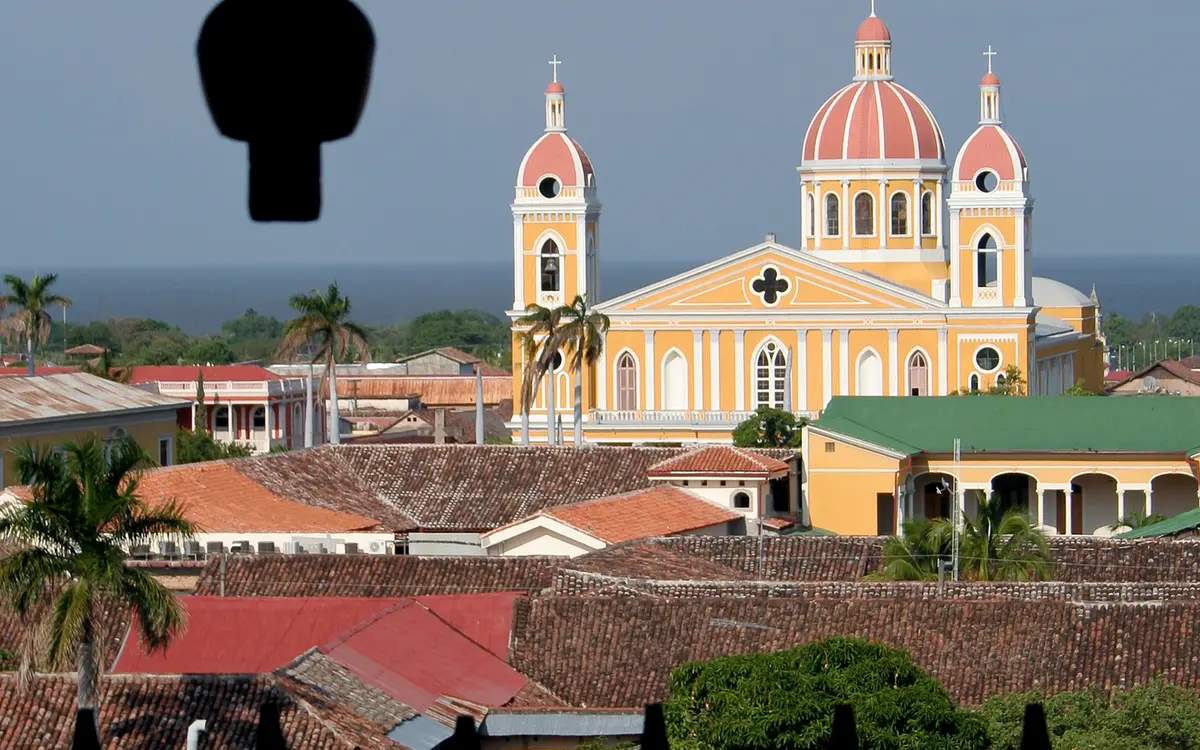
Central Park Area The blocks surrounding Granada's Parque Central and the iconic yellow Cathedral of Granada represent the city's historic and social heart. Hotels here put you within walking distance of everything — restaurants, museums, the malecón along Lake Nicaragua, and the colorful Calle La Calzada pedestrian street. Expect more ambient noise but unbeatable convenience.
Calle La Calzada Corridor This pedestrian boulevard stretching from Central Park to the lake is Granada's restaurant and nightlife hub. Hotels along this strip offer easy access to dining and entertainment. The closer you get to the lake end, the quieter things become — a useful gradient for choosing your ideal noise level.
La Calzada to the Lake The southeastern quadrant near the lake shore provides a more residential experience. Properties here tend to be quieter, with more space and often better value. You're still just a 10-minute walk from the center, but the atmosphere is markedly more relaxed.
Hotel Styles in Granada
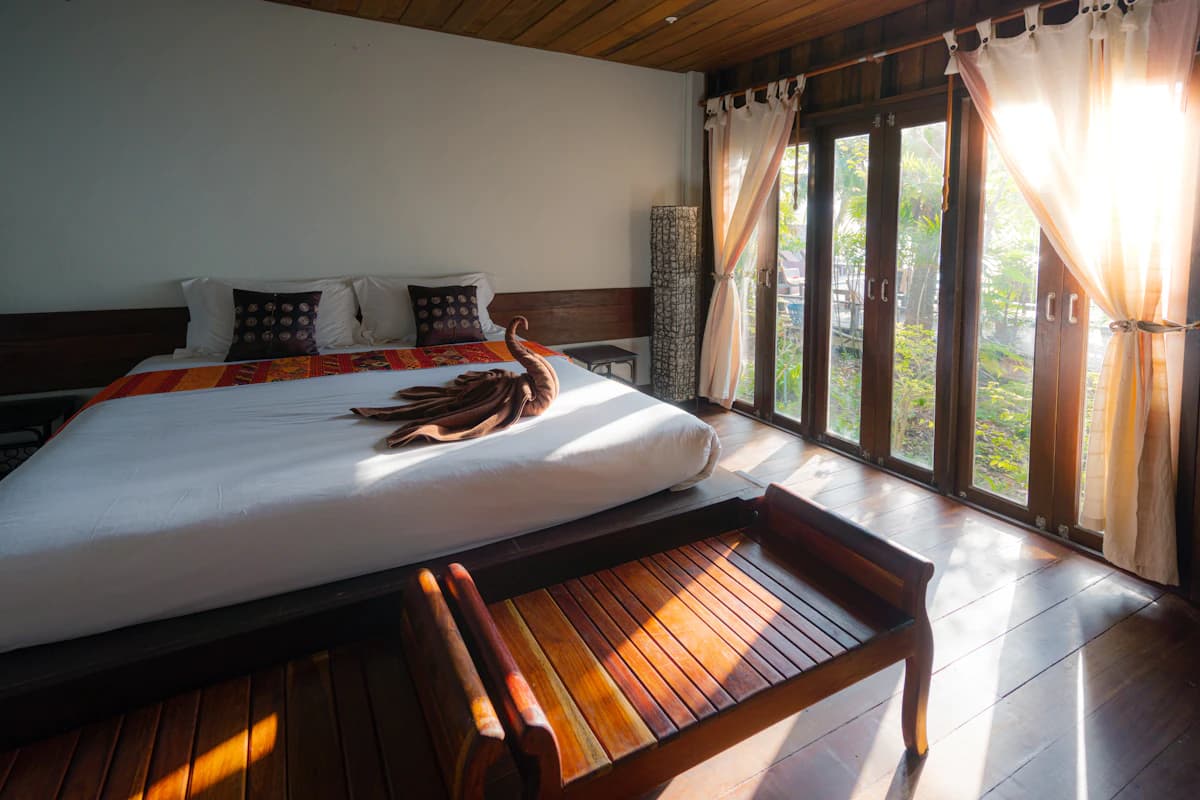
Granada's hotel scene has matured significantly in recent years. The dominant style is the colonial conversion — historic mansions and commercial buildings reimagined as boutique hotels. These properties typically feature:
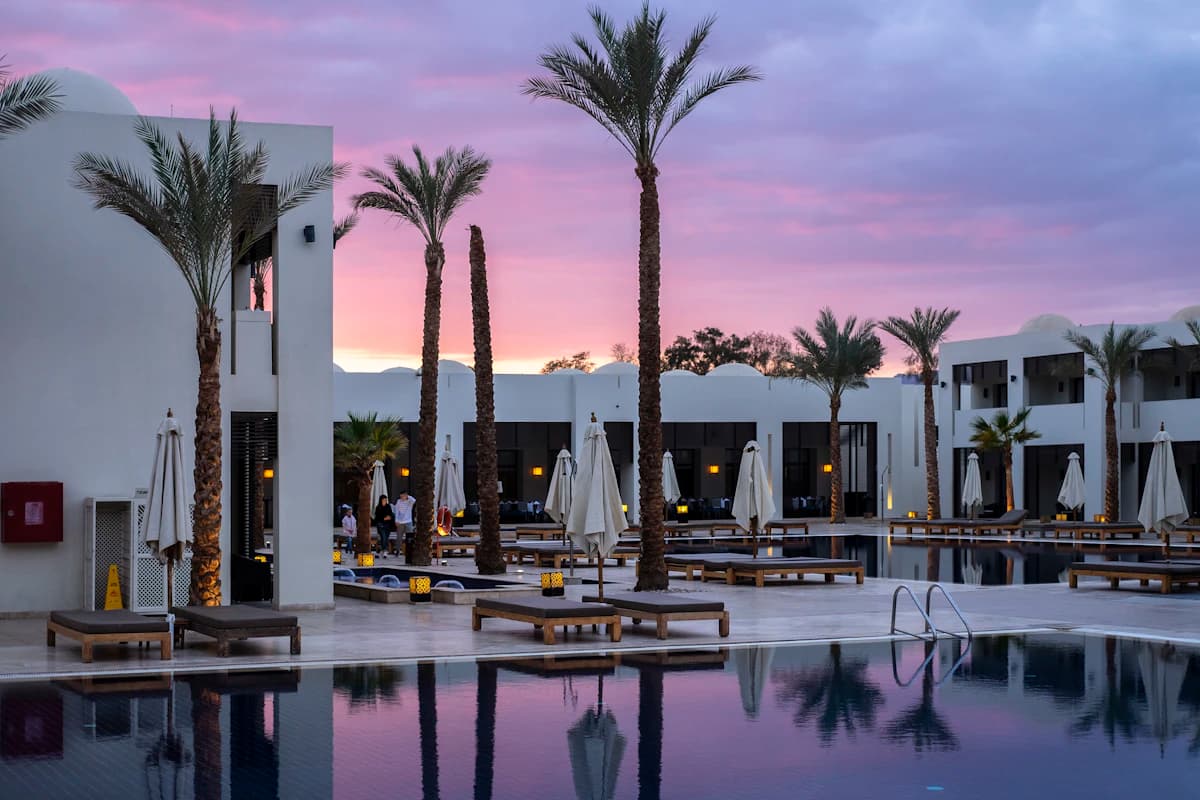
- Central courtyards with pools or fountains, following the traditional Spanish colonial layout
- High ceilings and thick walls that keep rooms naturally cool
- Terracotta tile floors and wooden beam ceilings original to the buildings
- Rooftop terraces offering views over the city's red-tile roofscape to Volcán Mombacho
The best colonial conversions maintain architectural integrity while adding contemporary amenities. You'll sleep in rooms where the walls are 200 years old but the mattress, air conditioning, and plumbing are thoroughly modern.
What to Expect Price-Wise
Granada offers remarkable value by international standards. Quality boutique hotels with pools, breakfast included, and colonial charm typically range from $60-150 USD per night. Budget-conscious travelers can find clean, character-filled guesthouses for $25-45. At the top end, the city's most exclusive properties top out around $200-250 — a fraction of what comparable quality costs in more established tourist destinations.
León: The Revolutionary City
If Granada is Nicaragua's postcard, León is its punk rock album. This city of 200,000 residents pulses with intellectual energy — home to the country's oldest university (founded 1812), the largest cathedral in Central America, and a street art scene that rivals any in Latin America. León was the heart of the Sandinista revolution, and that rebellious spirit still infuses everything from its politics to its nightlife.
Where to Stay in León
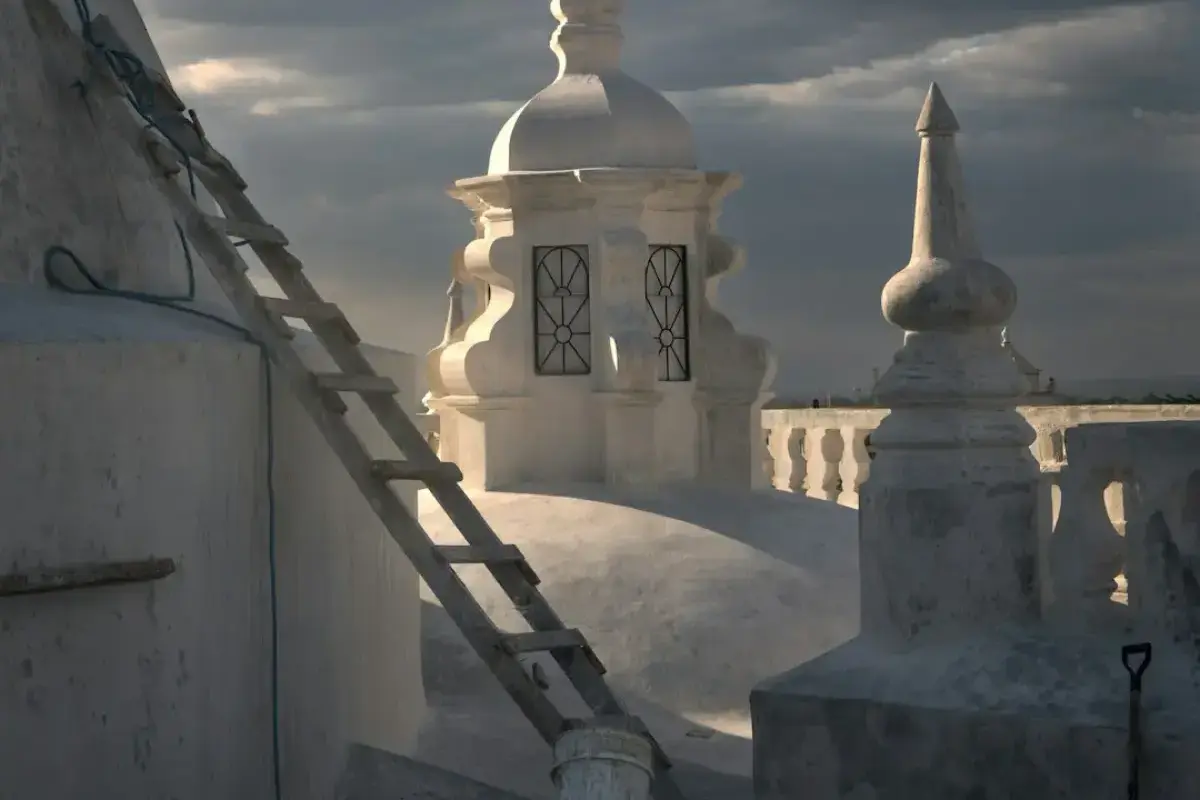
Cathedral District The massive Basílica Catedral de la Asunción, a UNESCO World Heritage Site, anchors León's historic center. Hotels in this area offer proximity to the city's main attraction, plus the unforgettable experience of hearing the cathedral bells mark the hours. The surrounding blocks are home to museums, markets, and some of León's best traditional restaurants.
University Area The blocks around UNAN-León bring a youthful energy that makes this zone particularly appealing for younger travelers and those who enjoy nightlife. Street art is at its densest here, and the concentration of affordable restaurants and bars reflects the student population. Accommodations tend to be more budget-friendly.
Calle Central Rubén Darío Named for Nicaragua's most famous poet (and Latin America's literary giant), this central avenue connects many of León's key attractions. Hotels along this corridor offer a balanced location with good access to both cultural sites and local daily life.
León's Accommodation Character
León's hotel scene is grittier and more authentic than Granada's — less polished but more deeply Nicaraguan. You'll find:
- Revolutionary-era mansions converted to guesthouses, some still bearing bullet holes from the 1979 insurrection
- Art-forward boutique hotels that double as galleries, reflecting the city's creative culture
- Colonial bed-and-breakfasts run by Leonese families who share stories along with breakfast
- Backpacker hostels with more character per square meter than anywhere else in Central America
The overall price point is lower than Granada, with quality options starting around $20-30 for hostels and $40-100 for boutique accommodations. What León lacks in Granada's picture-perfect polish, it makes up for in authenticity and cultural depth.
Combining Both Cities
Most travelers visiting Nicaragua's Pacific lowlands combine Granada and León, and the logistics make this easy. The two cities are connected by regular express buses (2.5 hours, approximately $3 USD) and tourist shuttles (2 hours, $15-25 USD with hotel pickup). Private transfers take about 90 minutes.
Suggested Itinerary
Days 1-3: Granada Explore the colonial center, take a boat tour of Las Isletas (365 small islands in Lake Nicaragua), hike or zipline on Volcán Mombacho, visit the Convento San Francisco museum, and enjoy sunset drinks on a rooftop terrace. Granada works well as a gentle introduction to Nicaragua — beautiful, walkable, and easy to navigate.
Days 4-6: León Tour the UNESCO cathedral (including the famous rooftop walk), explore street art on a guided mural tour, visit the Revolution Museum, sandboard down Cerro Negro volcano, surf at nearby Pacific beaches (Poneloya and Las Peñitas), and experience León's vibrant nightlife. León rewards those who dig deeper — spend time in local markets and neighborhood bars for the real experience.
When to Visit
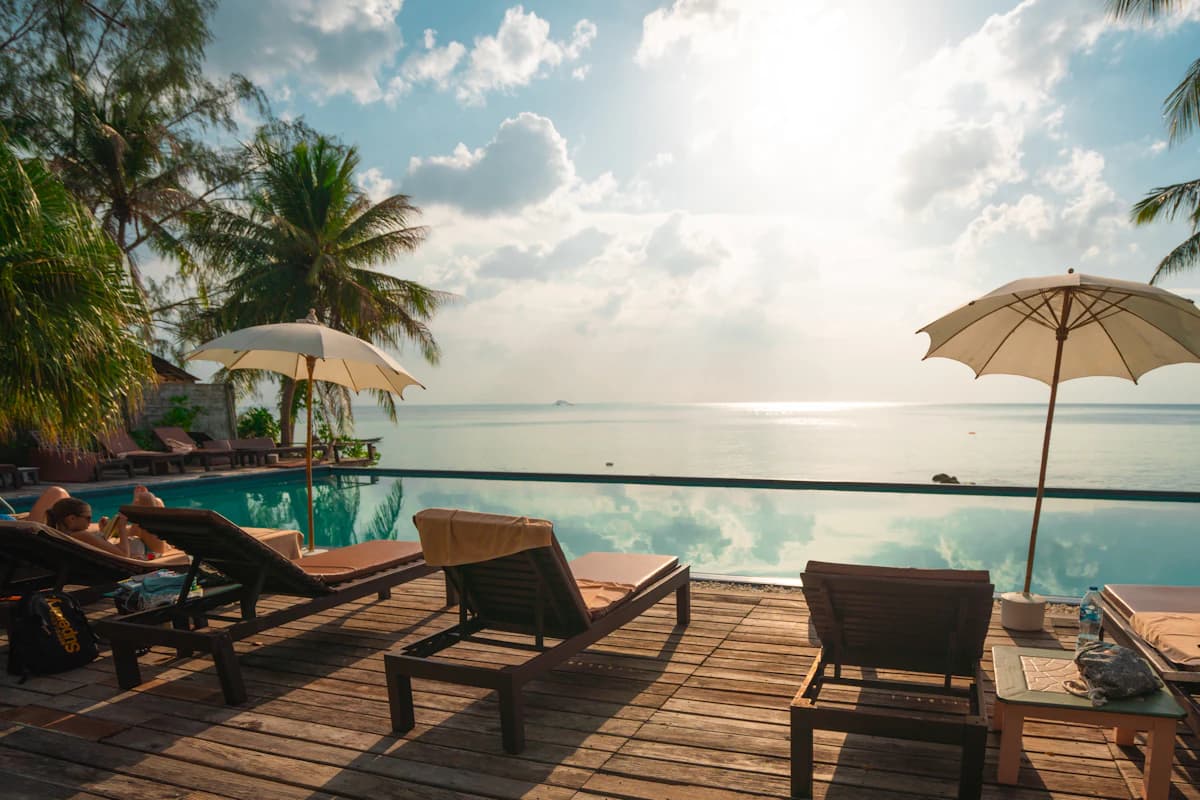
Nicaragua's dry season (November–April) offers the most reliable weather, with sunny days and temperatures around 30-35°C. The heat can be intense in both cities, making hotel pools more than a luxury — they're a survival strategy. The rainy season (May–October) brings afternoon downpours that cool things off; mornings are usually clear, and you'll find better rates and fewer tourists.
Practical Tips for Hotel Stays
Air conditioning vs. fans: Colonial buildings with thick walls stay surprisingly cool, but León in particular gets very hot. If you're heat-sensitive, confirm your room has AC before booking. Many charming budget options rely on ceiling fans only.
Water: Tap water is not potable in either city. Hotels provide filtered or bottled water. Always confirm.
Power: Occasional outages happen, especially during rainy season. Higher-end hotels have generators; budget places may not. A headlamp or small flashlight is worth packing.
Noise: Colonial cities are lively. Churches ring bells early, roosters crow, and both cities have active street life. If you're a light sleeper, request interior rooms facing the courtyard rather than the street, and bring earplugs.
Booking: During Semana Santa (Easter week) and Christmas/New Year, both cities fill completely. Book weeks in advance for these periods. The rest of the year, you can often negotiate better rates for stays of 3+ nights by booking directly with the hotel.
Why Nicaragua's Colonial Cities Deserve Your Time
In a region where beach resorts and jungle lodges dominate the travel conversation, Nicaragua's colonial cities offer something different: immersion in living history where centuries-old architecture houses vibrant contemporary culture. Granada and León aren't museum pieces preserved behind velvet ropes — they're working cities where colonial mansions serve as family homes, revolutionary murals share wall space with new street art, and the hotels that welcome you are themselves stories waiting to be explored.
For travelers who want more than a tan and a cocktail — who want to understand a place, not just visit it — Granada and León deliver an experience that punches far above its price point. Central America's best-kept hotel secret isn't on the coast. It's in the colonial heartland.

About the Author
Hotels CA TeamEditorial Research Team
Hotels CA Team is the editorial desk behind these Central America hotel and travel guides. We research public property information, official sources, and traveler feedback. A hotel page is not a personal visit unless the article says so.