Overwater Hotels in Bocas del Toro, Panama: Complete Guide
Discover the best overwater bungalows and hotels in Bocas del Toro, Panama. From luxury eco-resorts to budget-friendly overwater cabins on the Caribbean.

Table of Contents
Bocas del Toro: The Caribbean's Most Affordable Overwater Experience
When most people think of overwater bungalows, they picture the Maldives or Bora Bora — and price tags starting at $500 per night. But on Panama's Caribbean coast, the Bocas del Toro archipelago offers something remarkable: the overwater hotel experience at a fraction of the cost, set in one of Central America's most biodiverse marine environments.
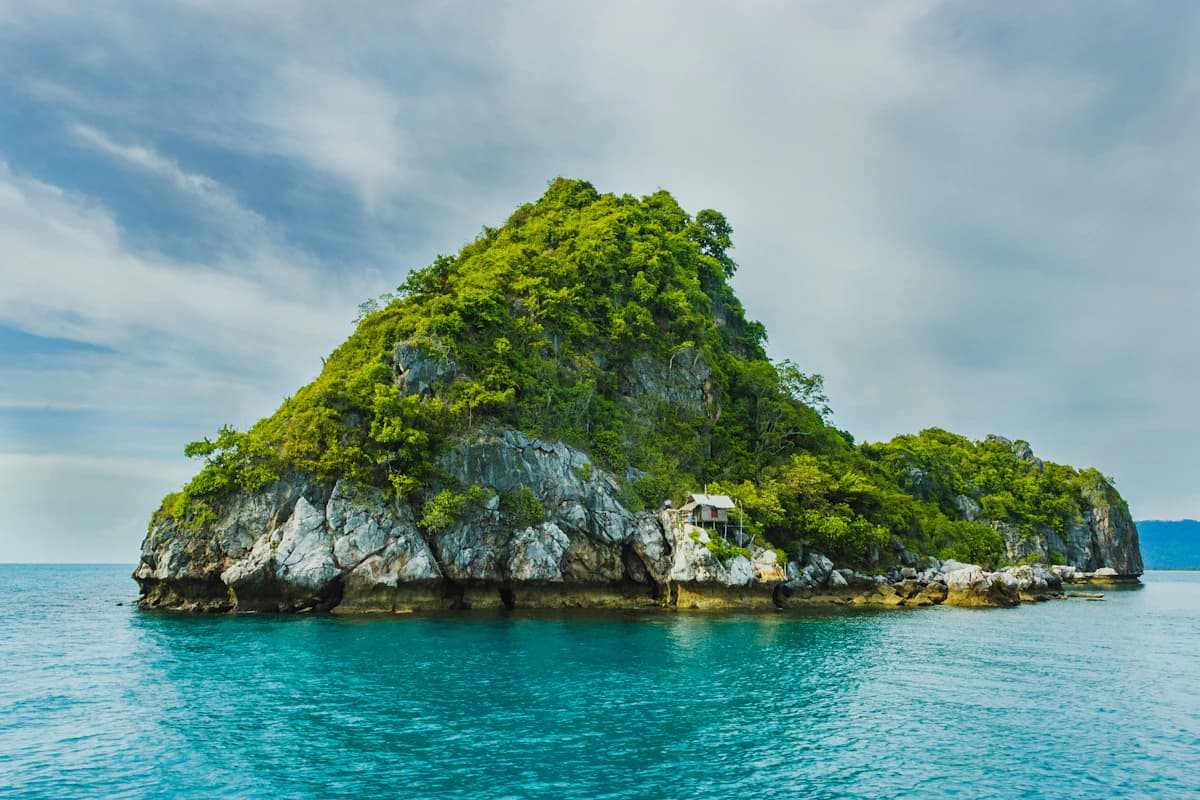
The archipelago comprises nine main islands and hundreds of smaller islets scattered across a shallow turquoise bay. The calm, warm waters and stilted construction traditions of the local Ngäbe-Buglé indigenous communities inspired the overwater hotels that have become Bocas del Toro's signature accommodation style. Today, you can sleep over the Caribbean Sea for as little as $40 per night or splurge on eco-luxury starting around $300 — either way, you'll fall asleep to the sound of waves lapping beneath your floor.
Understanding the Islands
Bocas del Toro's islands each offer a distinct experience, and choosing the right one shapes your entire trip.
Isla Colón (Bocas Town)
The main island and transport hub. Bocas Town is the archipelago's only real town — a colorful collection of Caribbean wooden buildings, restaurants, bars, surf shops, and tour operators clustered on a narrow peninsula. The airport (BOC) is here, along with the water taxi dock that connects to all other islands.
Stay here if: You want nightlife, restaurant variety, and easy access to everything. Most overwater options in Bocas Town are along the waterfront edges of town, offering the unique combination of overwater living with walkable access to shops and bars.
Trade-off: Bocas Town is the liveliest (read: noisiest) spot in the archipelago. If you're seeking tranquility, look further.
Isla Carenero
Just 200 meters across the water from Bocas Town (a 2-minute, $1 water taxi ride), Carenero offers a mellower alternative while keeping the main island's amenities within easy reach. The island has a handful of excellent restaurants, a famous surf break, and several overwater hotels that feel more secluded than their proximity to town would suggest.
Stay here if: You want the sweet spot between convenience and calm. Easy access to Bocas Town but a quieter return home each evening.
Isla Bastimentos
The largest island in the archipelago and home to the Bastimentos Island National Marine Park, which protects crucial mangrove, reef, and beach ecosystems. The island's north side features Red Frog Beach, one of the most beautiful beaches in Panama, while the south side is dotted with mangrove channels and coral gardens.
Stay here if: Nature is your priority. Bastimentos delivers the most dramatic natural scenery and the best snorkeling directly accessible from overwater accommodations. Some properties here are genuinely remote — no roads, no town, just water and jungle.
Isla Solarte and Beyond
Smaller islands like Solarte, Cristóbal, and the Zapatillas Cays offer the most isolated experiences. Overwater options here are few but extraordinary — small eco-lodges where the silence is broken only by bird calls and the occasional dolphin surfacing nearby.
Types of Overwater Accommodation
Budget Overwater Cabins ($40-80/night)
Don't let the word "budget" fool you — these are some of the most magical places to stay in all of Central America. Budget overwater cabins in Bocas are typically:
- Wooden structures on stilts over shallow water, with private or semi-private decks
- Basic but clean — mosquito nets, fans (sometimes AC), private bathrooms
- Glass floor panels or open sections letting you watch fish swim beneath your room
- Hammock-equipped decks perfect for afternoon naps over the water
The construction style mirrors traditional Ngäbe-Buglé stilt houses, giving these budget options an authenticity that purpose-built luxury properties can't replicate. You're experiencing a genuine Caribbean building tradition, not a manufactured resort fantasy.
What you give up: Consistent hot water, 24-hour electricity (some use solar/generator systems), room service, high-thread-count sheets. These are rustic adventures, not polished hotel experiences.
Mid-Range Overwater Hotels ($80-200/night)
The sweet spot for most travelers. Mid-range overwater properties in Bocas del Toro typically deliver:
- Private overwater bungalows with full bathrooms, AC, and reliable electricity
- On-site restaurants serving fresh seafood and Panamanian cuisine
- Snorkeling equipment available for exploring the reef directly below your room
- Kayaks and paddleboards for guests to use
- Curated tours arranged through the hotel
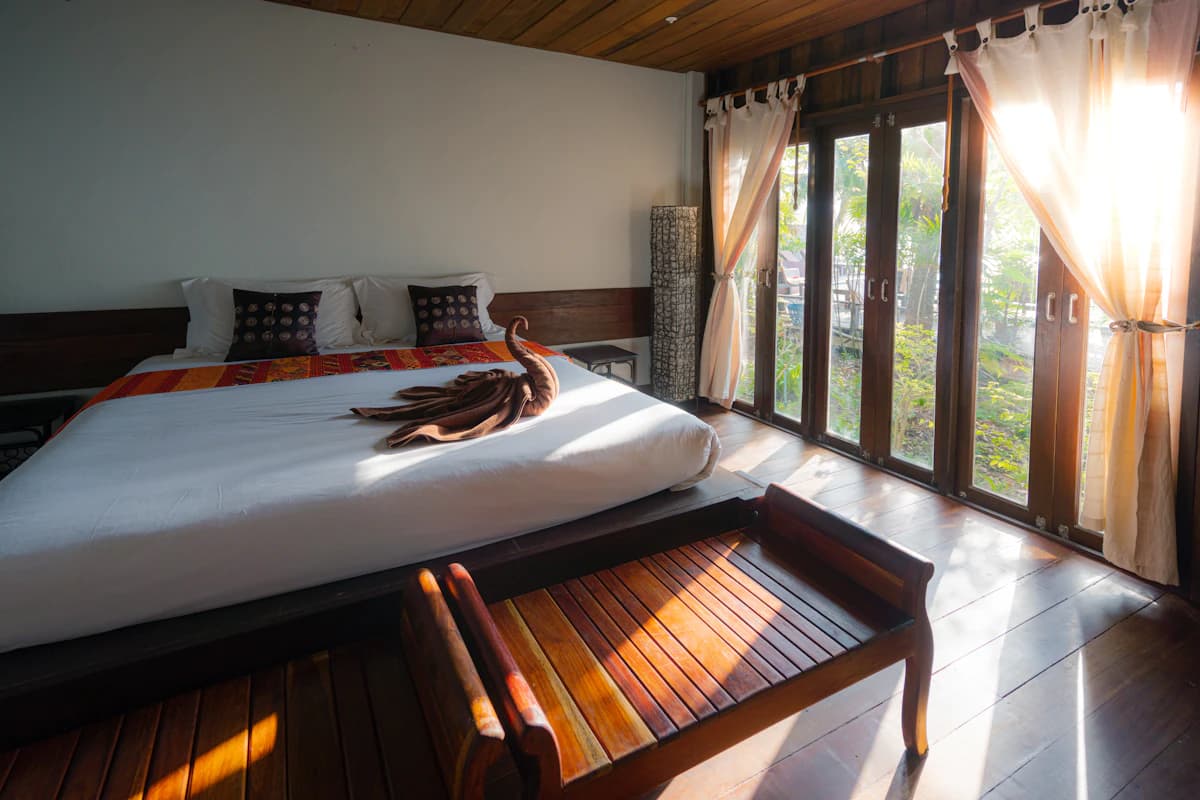
These properties have invested in both comfort and design, often featuring locally sourced hardwoods, artisanal furnishings, and layouts that maximize the connection to the water. Many sit in quiet lagoons or along mangrove edges where marine life congregates — you might spot starfish, rays, and tropical fish from your balcony without entering the water.
Luxury Eco-Resorts ($200-600+/night)
Bocas del Toro's luxury tier has matured into some of Central America's finest eco-resort experiences. These properties combine overwater architecture with:
- Sustainable operations: Solar power, rainwater collection, waste treatment, marine conservation programs
- Gourmet dining: Farm-to-table (and ocean-to-table) restaurants rivaling top urban establishments
- Spa and wellness: Overwater treatment rooms, yoga platforms, holistic programs
- Marine guides: In-house biologists who lead snorkeling and diving excursions
- Design excellence: Architect-designed bungalows that photograph beautifully while minimizing environmental footprint
The best luxury properties in Bocas prove that ecological responsibility and five-star comfort aren't just compatible — they enhance each other. Sleeping in a bungalow powered by solar energy, over a reef the resort actively protects, adds a dimension of meaning to the experience that conventional luxury can't match.
The Overwater Experience: What to Expect
Living on the Water
Overwater living in Bocas del Toro is a sensory experience that starts the moment you arrive by boat (most overwater properties are only accessible by water). The gentle rocking of the dock as you step off the water taxi, the transparency of the water revealing sand and coral below, the salt breeze that never quite stops — these set a rhythm that most guests find deeply relaxing within hours.
Mornings are typically calm and luminous, with the water at its clearest. This is prime time for snorkeling right from your deck, spotting marine life through the glass floor panels, or simply watching the light play through the water onto the sandy bottom below. Coffee on an overwater deck, with pelicans diving and frigatebirds soaring overhead, is one of the Caribbean's great morning rituals.
Afternoons can bring brief rain showers (especially May-December), followed by spectacular light as the clouds break. The water tends to be warmest in the afternoon — around 28-30°C — making it perfect for longer snorkeling sessions or kayak explorations.
Evenings transform the experience. As the sun sets behind the islands and the water shifts from turquoise to gold to deep blue, the underwater world becomes bioluminescent. Many overwater properties in Bocas are positioned near areas where plankton glows green when disturbed — lean over your deck railing after dark and stir the water for a natural light show.
Marine Life From Your Room
One of the genuine thrills of staying overwater in Bocas del Toro is the marine life visible without getting wet:
- Starfish: The archipelago is famous for its starfish, particularly around Isla Solarte's Starfish Beach. In many overwater locations, you can spot orange and red starfish directly below your bungalow.
- Rays: Spotted eagle rays and southern stingrays cruise the shallow waters, often visible from elevated decks.
- Tropical fish: Parrotfish, angelfish, wrasses, and sergeant majors are permanent residents around the stilts.
- Dolphins: Bottlenose dolphins frequent the channels between islands, and sightings from hotel decks are common.
- Nurse sharks: Harmless and curious, these sharks patrol the shallows at dawn and dusk.
Getting to Bocas del Toro
By air: Bocas Town Airport (BOC) receives daily flights from Panama City (1 hour, $80-150 one-way). This is the most convenient option. Air Panama and Turbo Air operate the route.
By land + water: From Panama City, take an overnight bus to Almirante (10 hours, $25-30) or fly to David and bus to Almirante (4 hours). From Almirante, water taxis to Bocas Town depart every 30 minutes (30 minutes, $6).
From Costa Rica: Cross at Sixaola/Guabito, then bus or taxi to Almirante (1 hour) for the water taxi. This is a popular route for travelers combining Costa Rica and Panama.
Island Transportation
Everything in Bocas runs on water taxis — small motorboats that function as the archipelago's taxi system. Standard fares range from $1-3 between nearby islands and $5-15 for farther destinations. Hotels on outer islands typically arrange boat transfers as part of your stay.
When to Visit
Dry season (January-March, September-October): Clearest skies and best visibility for snorkeling and diving. February-March is peak season with highest prices.
Green season (April-August, November-December): More frequent afternoon rain but lush scenery, warmer water, and lower prices. Rain rarely lasts more than 1-2 hours, and mornings are usually sunny. December can surprise with extended dry spells.
Surf season: December-March brings the most consistent swells to breaks like Carenero Point, Bluff Beach, and Paunch.
Turtle nesting: March-September, hawksbill and leatherback turtles nest on Bastimentos' beaches. Several hotels organize guided nighttime nesting tours — a profound wildlife experience.
Practical Tips
Bring cash. ATMs exist in Bocas Town but frequently run out, especially on weekends. Credit cards are accepted at mid-range and luxury properties but rarely at budget spots or water taxis. The currency is the US Dollar (Panama's official currency alongside the Balboa).
Pack reef-safe sunscreen. The reef systems around overwater hotels are the very thing that makes them special. Chemical sunscreens damage coral. Mineral-based (zinc oxide) sunscreen protects both you and the reef.
Expect insects. Overwater helps significantly with mosquitoes (open water means fewer than shore-based accommodations), but sand flies (no-see-ums) can be fierce, especially at dawn and dusk. Bring repellent and ask your hotel about conditions.
Water shoes recommended. The bottom around many overwater properties includes coral, rocks, and occasionally sea urchins. Reef-safe water shoes make entering and exiting the water easier and safer.
Book boat tours. While the overwater experience itself is the main attraction, don't miss archipelago boat tours that visit Starfish Beach, Red Frog Beach, the Zapatillas Cays, and Dolphin Bay. Most hotels arrange these for $25-35 per person for a full day.
The Bottom Line
Bocas del Toro's overwater hotels represent one of the Caribbean's best travel values and one of Central America's most unique accommodation experiences. Whether you're a budget traveler sleeping over the sea for $40 or a luxury guest in a solar-powered eco-villa, the fundamental experience is the same: waking up over warm turquoise water, stepping onto a deck surrounded by island and ocean views, and feeling the gentle presence of the Caribbean beneath your feet.
In a world of cookie-cutter beach resorts, Bocas del Toro offers something you can't manufacture: authenticity, natural beauty, and the simple joy of living on the water. The overwater bungalow might have been invented in Polynesia, but Bocas del Toro has made it accessible to the rest of us.

About the Author
Hotels CA TeamEditorial Research Team
Hotels CA Team is the editorial desk behind these Central America hotel and travel guides. We research public property information, official sources, and traveler feedback. A hotel page is not a personal visit unless the article says so.