Backpacking Central America: Route, Costs & Tips (2026)
4–8 weeks on the isthmus in 2026: $22–$65 a day by country, $12 Antigua shuttle, CA-4 borders, and a north-to-south hostel route.
Contents
Short answer: a 4-week north-to-south run still fits in under $2,000 on the ground if you keep most nights in dorms. The table later in this page puts backpacker days at $22–$32 in Nicaragua, $25–$35 in Guatemala, $28–$38 in El Salvador, and $45–$65 in Costa Rica. Fly into Guatemala City, take the $12 shuttle to Antigua, and use the CA-4 stamp across Guatemala, Honduras, El Salvador, and Nicaragua.
Pair this route with the La Aurora arrival steps, the El Salvador daily-cost guide, and the Nicaragua budget ranges. Coffee-farm nights in Guatemala are a separate finca hotel list.
Central America is one of the last great backpacker frontiers — a slim ribbon of land connecting two continents, packed with volcanoes, cloud forests, colonial cities, Caribbean beaches, and Mayan ruins. You can cross the entire isthmus by bus, boat, and the occasional chicken taxi for well under $2,000, and spend months doing it. This guide covers everything you need to plan a 4-to-8-week trip in 2026: routes, daily budgets by country, the best hostels, border crossing tips, safety, what to pack, and when to go.
Why Backpack Central America in 2026?
The "Gringo Trail" through Central America has never been more connected. Pan-American bus networks have improved dramatically, several land borders now offer digital immigration processing, and the hostel scene has matured from hammock-and-cold-shower dorms to genuinely stylish budget stays with rooftop bars and co-working spaces. Yet the region still rewards the spontaneous traveler: impromptu boat rides to deserted Caribbean islands, volcano hikes arranged the night before, and border towns that feel like they haven't changed in 50 years.
Suggested Routes
The Classic 4-Week Route (North to South)
The most popular path runs from Mexico's Yucatán into Guatemala, then south through El Salvador, Honduras, Nicaragua, and Costa Rica, finishing in Panama City. Budget 28–32 days minimum to do it justice.
Day 1–5 · Guatemala: Antigua & Lake Atitlán Fly into Guatemala City and take a shuttle ($12) straight to Antigua. Spend two days in this cobblestone colonial gem — hike Volcán Acatenango ($35, overnight with guide), then head north to Lake Atitlán. San Pedro La Laguna is the backpacker hub; San Marcos is for yoga retreats.
Day 6–9 · Guatemala: Semuc Champey & Lanquín A bumpy but spectacular 5-hour minibus ride from Cobán brings you to Semuc Champey, the country's most dramatic natural pool system. Entry: $10. Nearby Lanquín has a cave system with millions of emerging bats at dusk — free to watch.
Day 10–12 · El Salvador: Suchitoto & El Tunco Cross into El Salvador at Las Chinamas or Valle Nuevo. Suchitoto is a charming lakeside town almost entirely missed by tourists; El Tunco on the Pacific is where surfers and party-goers collide. Hostel dorms here average $12.
Day 13–16 · Honduras: Copán & Roatán Detour east to Copán Ruinas — the Mayan ruins ($20 entry) here have some of the finest carved stelae in Mesoamerica. Then if the budget allows, fly or take the ferry to Roatán ($35 ferry from La Ceiba) for some of the cheapest and best scuba diving in the world ($25–$30 per tank dive).
Day 17–21 · Nicaragua: Granada, Ometepe & San Juan del Sur Nicaragua is the best-value country in Central America right now. Granada's painted colonial streets and Ometepe Island's twin-volcano profile are highlights. Kayak, hike, or simply hammock. End the stretch in San Juan del Sur for beach parties.
Day 22–26 · Costa Rica: Monteverde & Manuel Antonio Cross at Peñas Blancas. Costa Rica is pricier, but Monteverde's cloud forest ($25 reserve entry) and the beaches of Manuel Antonio National Park ($20 entry) justify the splurge. Look for deals on zip-lining ($45–$60) — package deals through hostels often save 20%.
Day 27–32 · Panama: Boquete, Panama City & Bocas del Toro End in Boquete for mountain hiking and excellent coffee tours ($20), then wind down in Bocas del Toro's Caribbean islands or Panama City's contrasting Casco Viejo and modern skyline.
The 6–8 Week Extended Route
If you have two months, add:
- Belize: Caye Caulker for diving and relaxing (~5 days, budget $60–$80/day due to island prices)
- Northern Nicaragua: León and the volcano-boarding scene at Cerro Negro ($30 including board rental)
- Caribbean Costa Rica: Puerto Viejo de Talamanca for Afro-Caribbean food and jungle sloths
- San Blas Islands, Panama: 3-day sailboat to Colombia ($350–$500 all-inclusive) if you're continuing south
Daily Budgets by Country (2026)
All figures are per person, per day on a backpacker budget (dorm or budget private room, local food, public/shared transport, some activities).
| Country | Budget | Mid-Range | Notes |
|---|---|---|---|
| 🇬🇹 Guatemala | $25–$35 | $40–$60 | Cheapest meals, most affordable hostels |
| 🇧🇿 Belize | $55–$80 | $90–$130 | Island prices inflate everything |
| 🇸🇻 El Salvador | $28–$38 | $45–$65 | Uses USD, very affordable |
| 🇭🇳 Honduras | $30–$40 | $50–$75 | Roatán bumps the average up |
| 🇳🇮 Nicaragua | $22–$32 | $38–$55 | Best value in the region |
| 🇨🇷 Costa Rica | $45–$65 | $80–$120 | Most expensive; plan for it |
| 🇵🇦 Panama | $35–$50 | $60–$90 | Panama City is pricey; countryside less so |
Sample daily spend in Guatemala (budget mode):
- Dorm bed: $8–$12
- Breakfast (eggs, beans, tortillas): $3–$4
- Lunch (comida corrida / set lunch): $4–$5
- Dinner (street food or small restaurant): $4–$7
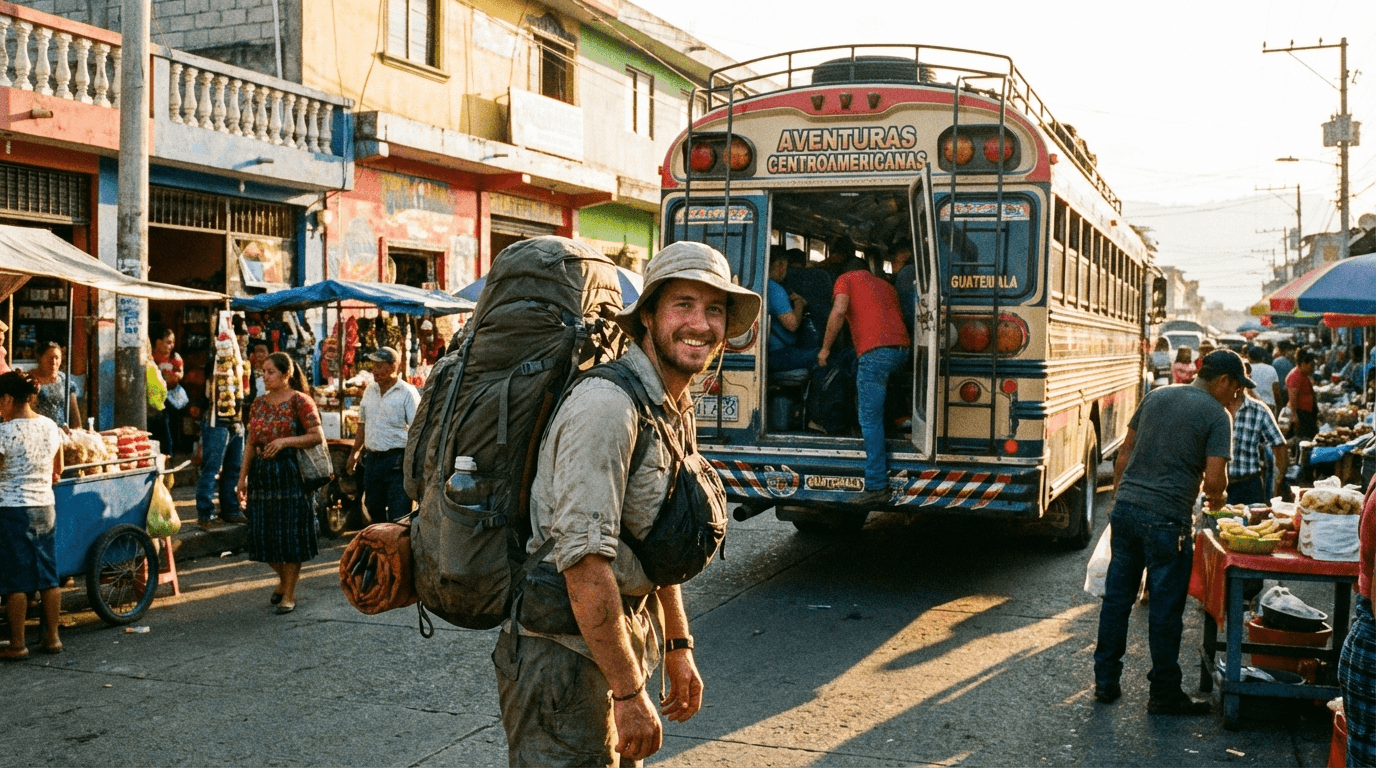
- Local chicken bus: $1–$3
- One beer: $1.50–$2.50
- Total: ~$25–$33
Sample daily spend in Costa Rica (budget mode):
- Dorm bed: $15–$22
- Meals (3x, mostly local spots): $18–$25
- Bus/shared shuttle: $5–$12
- One activity or reserve entry: $15–$25
- Total: ~$45–$65
Top Hostels Across the Region
These consistently earn rave reviews from the backpacker community:
Guatemala
- The Terrace Hostel, Antigua — Rooftop bar, volcano views, dorms from $11. A social classic.
- Zoola Guatemala, San Pedro La Laguna — Lake Atitlán branch of the beloved hammock hostel; dorms from $9.
El Salvador
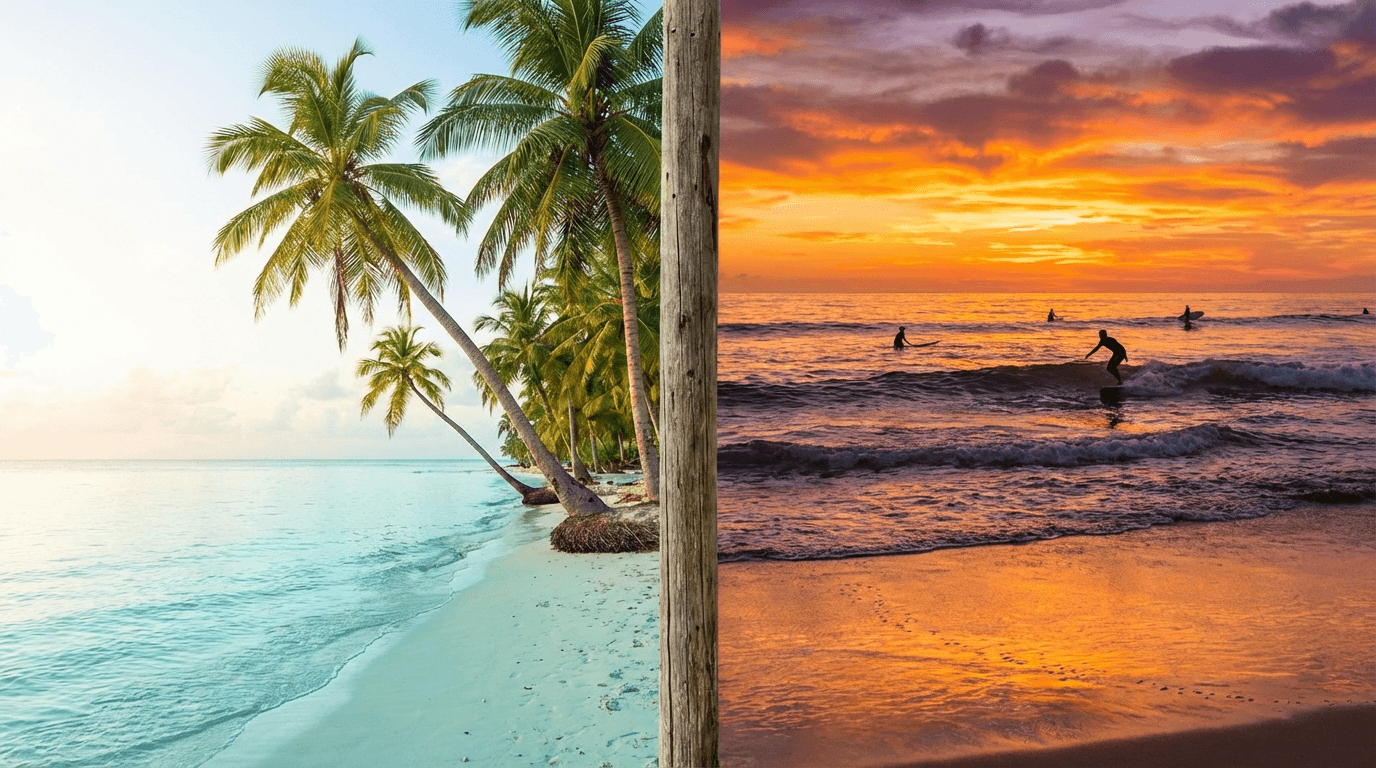
- El Tunco Hostel, El Tunco — Party-friendly beachside dorms from $13; surf board rental on-site.
Honduras
- Iguana Hostel, Copán Ruinas — Clean, social, close to ruins; dorms from $10.
Nicaragua
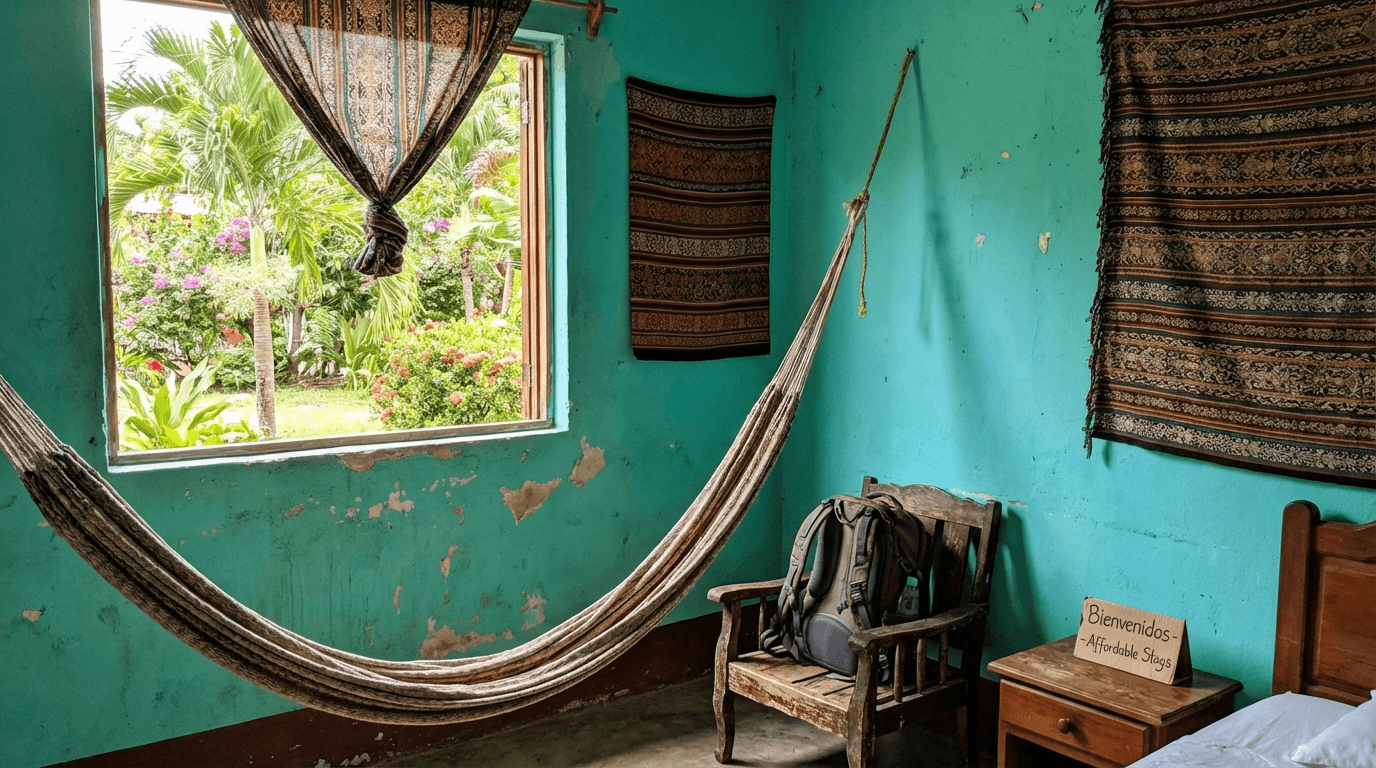
- Hostal La Libertad, Granada — Colonial courtyard, hammocks, rooftop; dorms $8–$10.
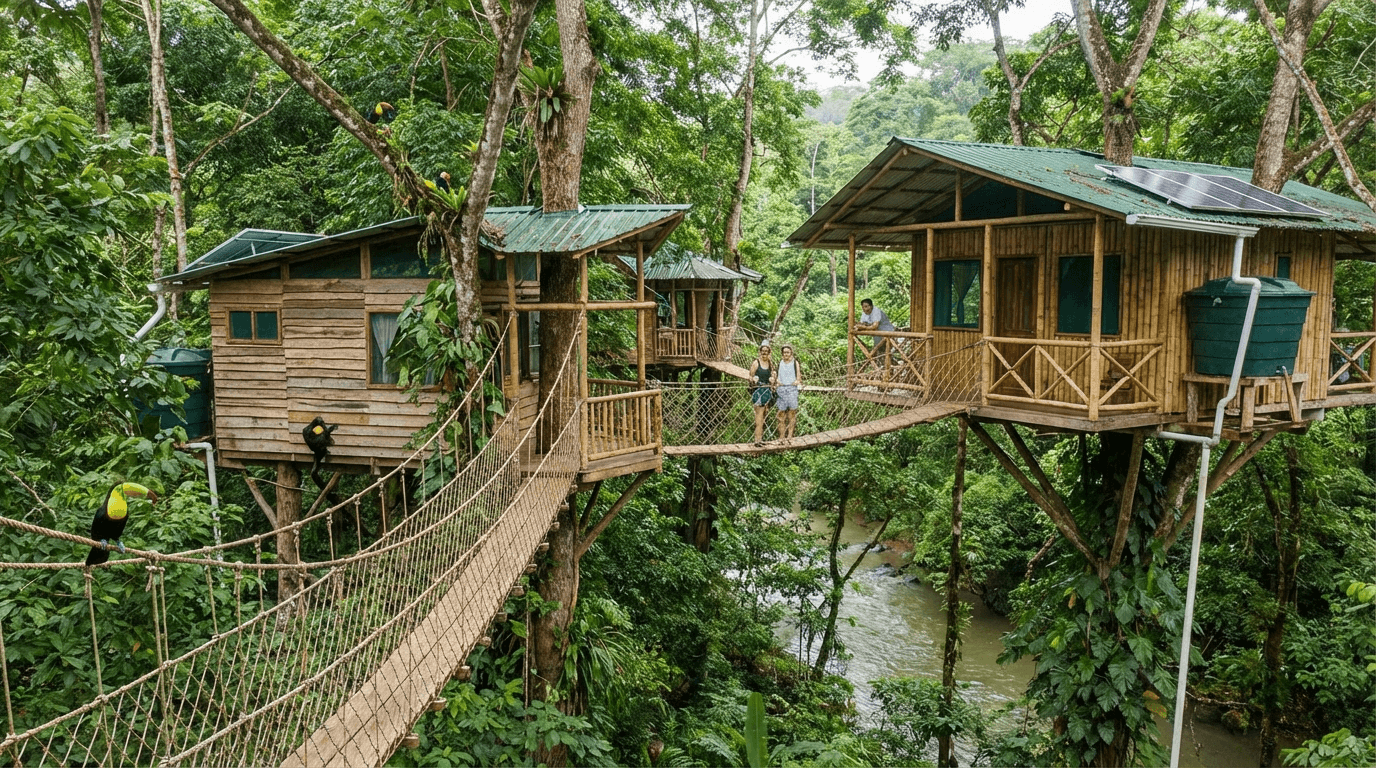
- Hacienda Mérida, Ometepe — Eco-lodge on the volcano island; dorms from $12, includes kayak access.
Costa Rica
- Hostel Pangea, San José — The best-known social hostel in the country; rooftop pool, dorms from $18.
- Luna Lodge Hostel, Manuel Antonio — Walking distance to the national park; dorms from $20.
Panama
- Selina Casco Viejo, Panama City — Boutique hostel in a restored colonial building; dorms from $22.
- Hostal Hansi, Boquete — Mountain town charm, excellent breakfast, dorms from $16.
Booking tip: Use Hostelworld or Booking.com, but always check the hostel's Instagram — many offer walk-in discounts of $1–$3/night to avoid platform fees.
Border Crossing Tips
Land borders in Central America range from painless to chaotic. Here's what to know:
General rules:
- Always carry exact change in USD for fees — most land borders charge $1–$5 in departure/entry taxes.
- The CA-4 Agreement means Guatemala, El Salvador, Honduras, and Nicaragua share a 90-day tourist allowance. Your clock starts at first entry into any of the four countries, not each individual country.
- Keep physical copies of your passport and entry stamps.
- If taking a shuttle bus (like those run by Tica Bus or King Quality), the driver handles group processing — faster and less stressful, though $10–$20 more expensive than DIY.
Specific crossings:
- Guatemala → Belize (Benque Viejo / Melchor de Mencos): Busy but organized; $3.75 Belizean departure tax.
- Guatemala → El Salvador (Valle Nuevo): Quiet and fast; favorite among backpackers.
- Honduras → Nicaragua (El Espino or Las Manos): Allow 1–2 hours; money changers here are honest but always calculate beforehand.
- Nicaragua → Costa Rica (Peñas Blancas): The busiest land border in Central America. Go early (before 8am) or late afternoon. $12 departure tax from Nicaragua + $8 entry fee to Costa Rica.
- Costa Rica → Panama (Paso Canoas): Straightforward but crowded on weekends. Bring proof of onward travel — Costa Rican officials sometimes ask.
Safety
Central America has a mixed reputation, but most backpackers travel the main routes without incident. Common-sense precautions go a long way:
- Don't walk with your phone out in busy markets or after dark in city centers.
- Use ATMs inside banks or malls, not on the street.
- Take registered taxis or Uber in capital cities — Guatemala City, San Salvador, Tegucigalpa, and Panama City all have sketchy taxi culture.
- Keep a "decoy wallet" with $20–$30 and an expired card for worst-case scenarios.
- Check travel advisories, but don't take them as gospel — they're often outdated or cover specific zones, not entire countries.
- Buy travel insurance — World Nomads or SafetyWing are popular with Central America backpackers. SafetyWing costs ~$42/month and covers medical emergencies and repatriation.
Honduras and parts of Guatemala have higher petty crime rates; Nicaragua and Costa Rica are generally safer. El Salvador has improved enormously since 2022 — the government's crackdown on gang violence has transformed cities like San Salvador and Santa Ana.
Packing List for Central America
Pack light — you'll be hauling this through jungle heat, market crowds, and overnight bus rides.
Bag: 40–50L backpack. Osprey Farpoint 40 or Deuter Futura are backpacker favorites.
Clothing (1–2 weeks' worth):
- 3–4 moisture-wicking t-shirts
- 1 lightweight long-sleeve layer (buses and highland nights get cold)
- 1 pair of quick-dry pants / zip-off trousers
- 1 pair of shorts
- 1 swimsuit
- Light rain jacket (essential, even in dry season)
- Flip-flops + one pair of sturdy walking shoes or trail runners
Gear:
- Headlamp (power cuts happen)
- Padlock for hostel lockers
- Dry bag (for boat trips and rainy days)
- Water bottle with filter (Sawyer Squeeze or LifeStraw)
- Sunscreen SPF 50+ (local brands are cheaper; bring reef-safe for diving)
Documents & Money:
- Passport (valid 6+ months beyond travel dates)
- Copies stored in email/cloud
- 2 bank cards (Wise/Revolut for low-fee withdrawals are traveler favorites in 2026)
- $200–$300 USD cash backup
Health:
- Mosquito repellent with DEET or Picaridin
- Diarrhea meds, oral rehydration salts
- Basic first aid kit
- Malaria prophylaxis (consult your doctor; mainly relevant in jungle areas)
Best Time to Go
Central America has two seasons: dry (November–April) and wet (May–October). The dry season is the classic travel window — less rain, more reliable transport, better beach days. High season peaks December–February, when hostels fill up and prices rise 15–25%.
Shoulder season (October–November): Fewer tourists, lower prices, and lush green landscapes. Brief daily rains, usually in the afternoon. Many experienced backpackers prefer this window.
Avoid: Traveling to Caribbean coasts (Belize, Roatán, Caribbean Nicaragua/Costa Rica) during September–October — peak Atlantic hurricane season.
Guatemala specifically: The Lake Atitlán area is spectacular in late October/November when rains fade and the lake is glassy calm.
Costa Rica tip: The Pacific coast (Guanacaste, Manuel Antonio) is drier and sunnier December–April; the Caribbean side (Puerto Viejo) has its own micro-season — drier in February–March and September–October.
Final Tips for First-Timers
-
Learn basic Spanish. Even 50 words transforms your experience — locals are warmer, prices are fairer, and you'll get more from conversations. Apps like Duolingo and language schools in Antigua ($5–$8/hour for private classes) are your friends.
-
Slow down. The classic mistake is rushing to tick every country. Spending a week in one place teaches you more than three days in five.
-
Eat where the locals eat. The $2–$4 comida corrida (set lunch) is almost always the best meal of the day — soup, rice, beans, protein, and a drink.
-
Book nothing too far ahead. Central America rewards flexibility. Except during Semana Santa (Holy Week) and Christmas/New Year — book 2–3 weeks out then.
-
Connect with other backpackers at hostels — the best information network in the region is word-of-mouth. Ask the person who just came from where you're going.
Central America will surprise you, challenge you, and very likely pull you back for a second trip. Pack light, stay curious, and don't be afraid to miss the bus — sometimes the next one takes you somewhere better.
Planning to stay a little longer? Explore our country guides for Guatemala, Costa Rica, Nicaragua, Panama, Honduras, and El Salvador for detailed hotel recommendations, city guides, and local tips.

About the Author
Hotels CA TeamEditorial Research Team
Hotels CA Team is the editorial desk behind these Central America hotel and travel guides. We research public property information, official sources, and traveler feedback. A hotel page is not a personal visit unless the article says so.