Central America Food Guide: Must-Try Dishes in Every Country
Discover the best traditional dishes across all 7 Central American countries with prices, where to eat, and what to order.
Contents
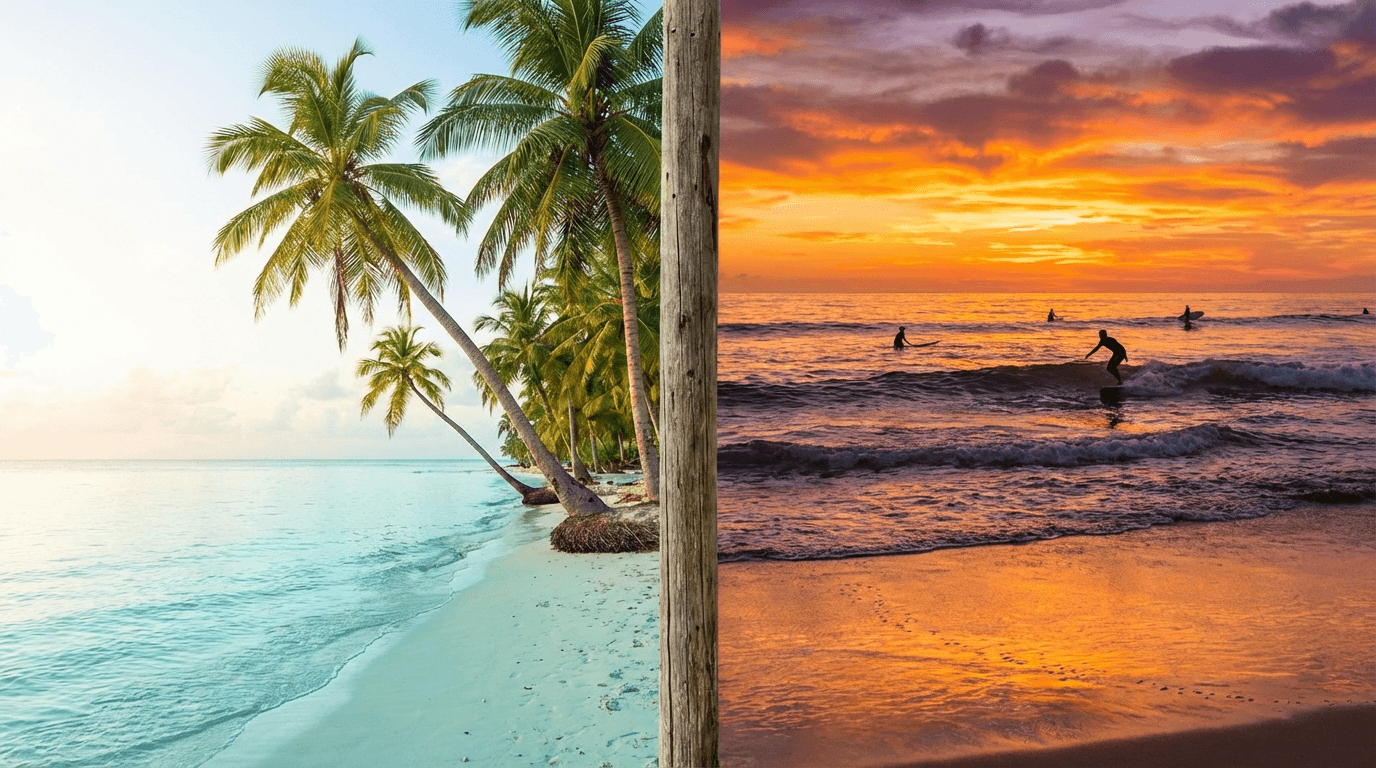
Central America is a paradise not just for its turquoise beaches and volcanic landscapes — it's a feast for the senses. From smoky tortillas pressed by hand on a comal in a Guatemala City market to fresh ceviche served in a paper cup on a Panamanian sidewalk, the food of this region tells the story of its people: indigenous roots, Spanish colonial influence, Caribbean spice, and a whole lot of love.
This guide covers the must-try dishes in all seven countries, with real prices, the best cities to eat them, and tips to keep your stomach happy along the way. Vegetarians, don't worry — we've got you covered too.
🇬🇹 Guatemala
Guatemala's cuisine is deeply rooted in Mayan tradition. Corn, beans, chiles, and squash are the foundation of almost every meal.
Pepián is the national dish — a rich, thick stew made from ground seeds (pumpkin, sesame), dried chiles, and tomatoes, usually served over chicken or turkey with rice. It's earthy, complex, and deeply satisfying. Expect to pay $4–$7 in a local comedor (casual restaurant). The best versions are found in Antigua and Quetzaltenango.
Kak'ik is a spicy turkey soup of Maya Q'eqchi' origin, flavored with chiles, coriander, and achiote. It's a ceremonial dish turned everyday staple in the Alta Verapaz region — try it in Cobán for around $5–$8.
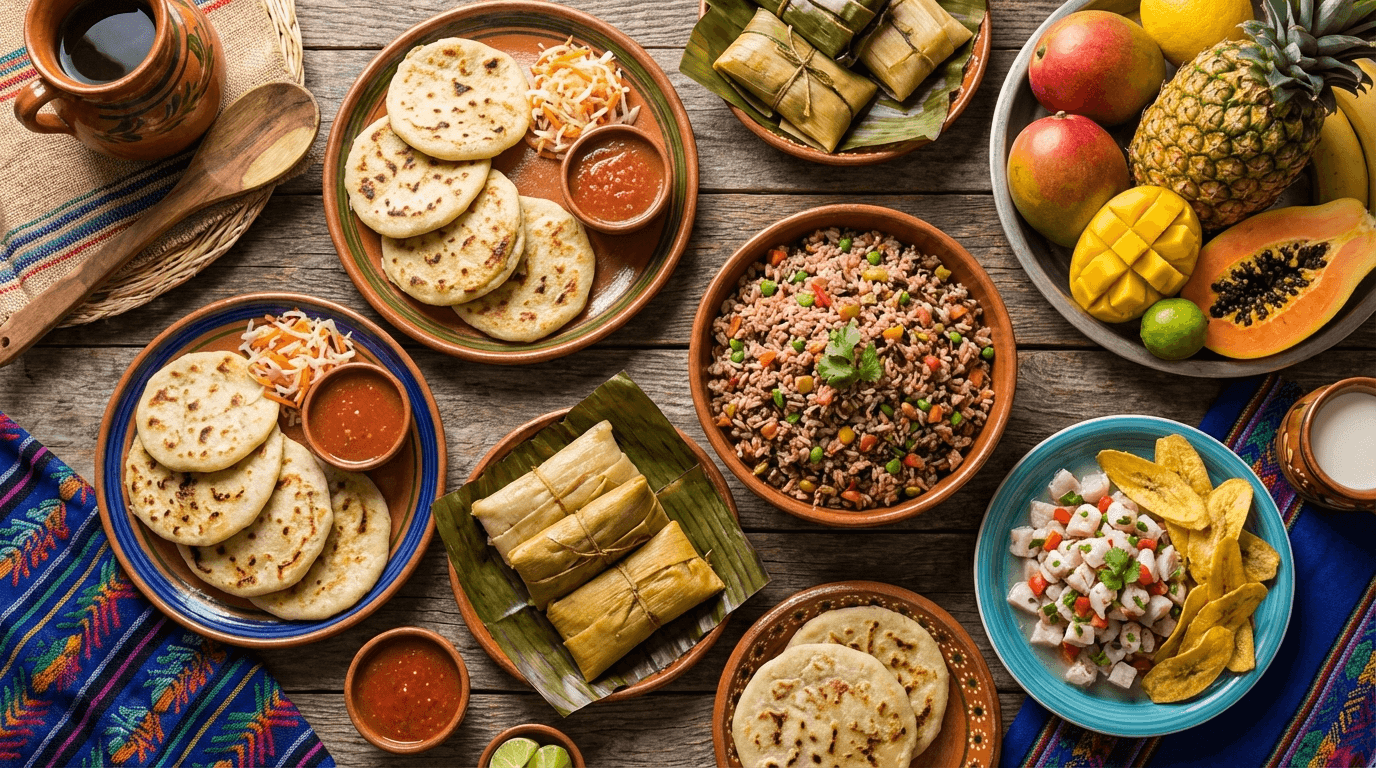
Tamales Colorados (red tamales) are a weekend tradition — masa dough stuffed with chicken, olives, and a red chile sauce, wrapped in banana leaves and steamed. Sold at markets every Thursday and Friday for about $1–$2 each.
Rellenitos are a delightful vegetarian street snack: mashed black beans wrapped in sweet plantain dough and fried. Find them at any market stall for $0.50–$1. Perfect for vegetarians.
🛡️ Street food tip: Stick to busy stalls with high turnover. Avoid raw garnishes like shredded cabbage unless you're confident in the water source used to wash it.
🇧🇿 Belize
Belize is a delicious fusion of Maya, Garifuna, Creole, and Caribbean flavors. English is spoken here, making it one of the easiest countries for food ordering.
Rice and Beans (Creole style) is the national staple — coconut milk-infused red kidney beans served over rice with stewed chicken or fish. Found absolutely everywhere for $3–$6. Head to Belize City or San Ignacio for the most authentic versions.
Garnaches are crispy fried tortillas topped with beans, cheese, and pickled onions — the ultimate Belizean street snack for $0.50–$1 each. Totally vegetarian and totally addictive.
Hudut is a Garifuna specialty: mashed plantain served in a bowl of coconut fish stew. It's comforting and complex. Best tried in Dangriga or Hopkins, the heart of Garifuna culture, for about $8–$12.
Panades are deep-fried corn shells stuffed with fish or beans, sold fresh at roadside stands for $0.50 each. The bean version is a great vegetarian pick.
🛡️ Street food tip: Belize has generally good food hygiene standards compared to its neighbors. Still, always choose cooked-to-order items at busy stalls and carry hand sanitizer.
🇸🇻 El Salvador
Explore hotels in El Salvador →
El Salvador punches way above its weight in the food department. Salvadorans take serious pride in their cuisine, and for good reason.
Pupusas are the crown jewel of Salvadoran food — thick handmade corn tortillas stuffed with cheese (queso), beans (frijoles), or pork crackling (chicharrón), and always served with curtido (fermented cabbage slaw) and tomato salsa. They cost $0.50–$1.50 each and you'll find them everywhere, but the best are made by pupuseras (women vendors) near San Salvador's Mercado Central or anywhere in Santa Ana. The cheese-and-bean version is a perfect vegetarian option.
Sopa de Pata is a hearty cow-foot soup slow-cooked with corn, yuca, plantain, and vegetables. It's a Sunday morning institution for about $4–$6.
Yuca Frita con Chicharrón — fried cassava served with crispy pork skin and curtido — is the ultimate sidewalk snack at $2–$4. Ask for just the yuca with curtido for a vegetarian-friendly version.
Chuco (Atol de Elote) is a warm, thick corn-based drink that doubles as a street food dessert, sweetened and occasionally spiced. $0.50–$1 at market stalls.
🛡️ Street food tip: El Salvador has a vibrant street food culture. Pupusas are generally very safe as they're cooked to order on a hot griddle. Avoid pre-made food sitting under a heat lamp.
🇭🇳 Honduras
Honduran food is hearty, unfussy, and deeply satisfying — influenced by Caribbean and indigenous traditions, especially on the Bay Islands.
Baleadas are Honduras's unofficial national food: a thick flour tortilla folded over refried beans, crema (sour cream), and crumbly white cheese. Simple, cheap ($1–$2), and available on every corner from breakfast through midnight. They're naturally vegetarian and can be upgraded with egg or avocado for a few cents more.
Sopa de Caracol (conch soup) is a beloved Caribbean dish, thick with coconut milk, yuca, plantain, and conch meat. It's especially good in La Ceiba and the Bay Islands for $8–$15 at a beachside restaurant.
Plato Típico is the Honduran combo plate: red beans, white rice, grilled meat, fried plantains, crema, and tortillas. Available everywhere for $5–$10. Ask for it sin carne (without meat) at local restaurants for a generous vegetarian spread.
Pastelitos de Carne are small fried pastries stuffed with spiced beef and vegetables — great as a snack for $0.50–$1 each at street stalls in Tegucigalpa and San Pedro Sula.
🛡️ Street food tip: Honduras has areas with higher food safety risks. Focus on cooked-to-order items, avoid raw salads at street stalls, and drink bottled or purified water only.
🇳🇮 Nicaragua
Nicaragua is one of Central America's most underrated food destinations. The cuisine is comforting, colorful, and deeply communal.
Gallo Pinto is the beloved national breakfast: rice and beans cooked together and flavored with onion, sweet pepper, and Salsa Inglesa (Worcestershire-style sauce). Served with eggs, cheese, and maduro (fried ripe plantain) for $3–$5 at any fritanga (street grill). Totally vegetarian as a side dish.
Nacatamal is Nicaragua's version of the tamale — masa mixed with potato, rice, pork, tomato, onion, and mint, wrapped in banana leaf and slow-cooked for hours. A Sunday family tradition sold for $1.50–$3 each. Look for vendors in Masaya and Granada.
Vigorón is a street classic from Granada: a banana leaf piled with boiled yuca, chicharrón, and curtido. It's messy, delicious, and costs $2–$4. Skip the pork and ask for just yuca and curtido for a vegetarian snack.
Indio Viejo is a thick stew made from shredded beef, corn masa, tomatoes, and herbs — a pre-Columbian recipe still going strong. Found in traditional restaurants in Managua and León for $5–$8.
🛡️ Street food tip: Nicaragua's fritangas (outdoor grills) are generally trustworthy — the food is cooked fresh over charcoal right in front of you. Great option for budget travelers.
🇨🇷 Costa Rica
Explore hotels in Costa Rica →
Costa Rica's food scene is evolving fast, but its roots are simple, nourishing, and tied to the land.
Casado is the quintessential Costa Rican lunch: a plate of rice, black beans, salad, fried plantains, and your choice of protein (chicken, fish, beef). It's balanced, affordable ($5–$9), and found at every soda (local diner) in the country. Order it vegetariano and you'll get eggs or cheese instead of meat.
Gallo Pinto (Costa Rican style) differs slightly from Nicaragua's — made with black beans instead of red, and flavored with Salsa Lizano, a unique tangy sauce you'll find on every table. $2–$4 at breakfast spots in San José and beyond.
Ceviche Tico is fresh corvina or tilapia marinated in citrus juice with cilantro, onion, and sweet pepper. Unlike Peruvian ceviche, it's mild and sweet. Best enjoyed at beachside cevicherías in Jacó or Manuel Antonio for $6–$10.
Olla de Carne is a hearty beef and root vegetable stew — a Sunday comfort staple with yuca, potato, plantain, and corn. About $6–$8 at traditional restaurants in the Central Valley.
Chorreadas are sweet corn pancakes eaten for breakfast or as a snack with sour cream. A great vegetarian option at $2–$4 in local sodas.
🛡️ Street food tip: Costa Rica has strong food safety standards. Sodas are generally reliable for safe, fresh food. The higher prices reflect better hygiene and quality ingredients.
🇵🇦 Panama
Panama is a melting pot — and its food reflects it. Indigenous, Afro-Caribbean, Spanish, and international influences make it one of the most diverse food scenes in the region.
Sancocho de Gallina is Panama's beloved chicken soup: a slow-simmered broth with chicken, ñame (yam), yuca, corn, cilantro, and culantro (a stronger herb). It's the national hangover cure and a symbol of comfort. Available at any traditional restaurant for $5–$9, especially in Panama City's Casco Viejo and Chitré.
Ceviche Panameño is corvina cured in lime with ají chombo (scotch bonnet pepper) and cilantro — spicier and bolder than Costa Rican ceviche. A paper cup at a street stall costs $2–$4 and is one of the great quick meals of Central America.
Ropa Vieja (shredded beef in tomato-pepper sauce) is a Caribbean-influenced dish served over rice and beans — found in Afro-Panamanian communities and restaurants throughout the country for $6–$10.
Patacones are double-fried green plantain rounds, crispy outside and soft inside, served as a side or topped with shredded chicken, ceviche, or cheese. Vegetarian-friendly and found everywhere for $1–$3.
Carimañolas are torpedo-shaped yuca fritters stuffed with seasoned beef or cheese — a beloved street breakfast snack for $1–$2 each at market stalls in Panama City and Colón.
🛡️ Street food tip: Panama City has some of the highest food safety standards in Central America. In more rural areas, apply the usual rules: cooked-to-order, hot food, bottled water.
🗺️ The Central America Foodie Itinerary
Planning a culinary journey through the isthmus? Here's a 14-day route designed around eating well.
Days 1–2 — Guatemala City & Antigua: Start with a pepián dinner at a colonial comedor in Antigua, grab rellenitos at the Mercado de Artesanías, and explore the Central Market food stalls in Guatemala City.
Day 3 — Belize City or San Ignacio: Cross into Belize and have a Creole rice-and-beans lunch, then hunt down garnaches and panades for an afternoon snack.
Days 4–5 — El Salvador: Head to San Salvador and eat your weight in pupusas. Visit Mercado Central for a full Salvadoran breakfast spread.
Day 6 — Honduras (La Ceiba or Bay Islands): Baleadas for breakfast, sopa de caracol for lunch by the Caribbean.
Days 7–8 — Nicaragua (Granada & Masaya): Sunday nacatamal in Granada, vigorón at the central park, fritanga grill dinner under the stars.
Days 9–10 — Costa Rica (San José & Pacific Coast): Soda breakfast with gallo pinto and chorreadas in the Central Valley, ceviche tico on the beach at Manuel Antonio.
Days 11–14 — Panama: End your journey in Panama City — ceviche in Casco Viejo, sancocho at a traditional fondita, and a final carimañola breakfast before flying out.
Central American food is more than sustenance — it's history, identity, and hospitality on a plate. Whether you're a dedicated foodie or just someone who gets excited about a great street snack, these seven countries will feed your soul. Come hungry.
Ready to plan your trip? Browse our hotel recommendations for each country and start building your Central American adventure.

About the Author
Hotels CA TeamEditorial Research Team
Hotels CA Team is the editorial desk behind these Central America hotel and travel guides. We research public property information, official sources, and traveler feedback. A hotel page is not a personal visit unless the article says so.