How to Travel Central America Safely: An Honest Guide
Practical safety tips for traveling Central America including country-by-country advice, scam awareness, and solo travel tips.
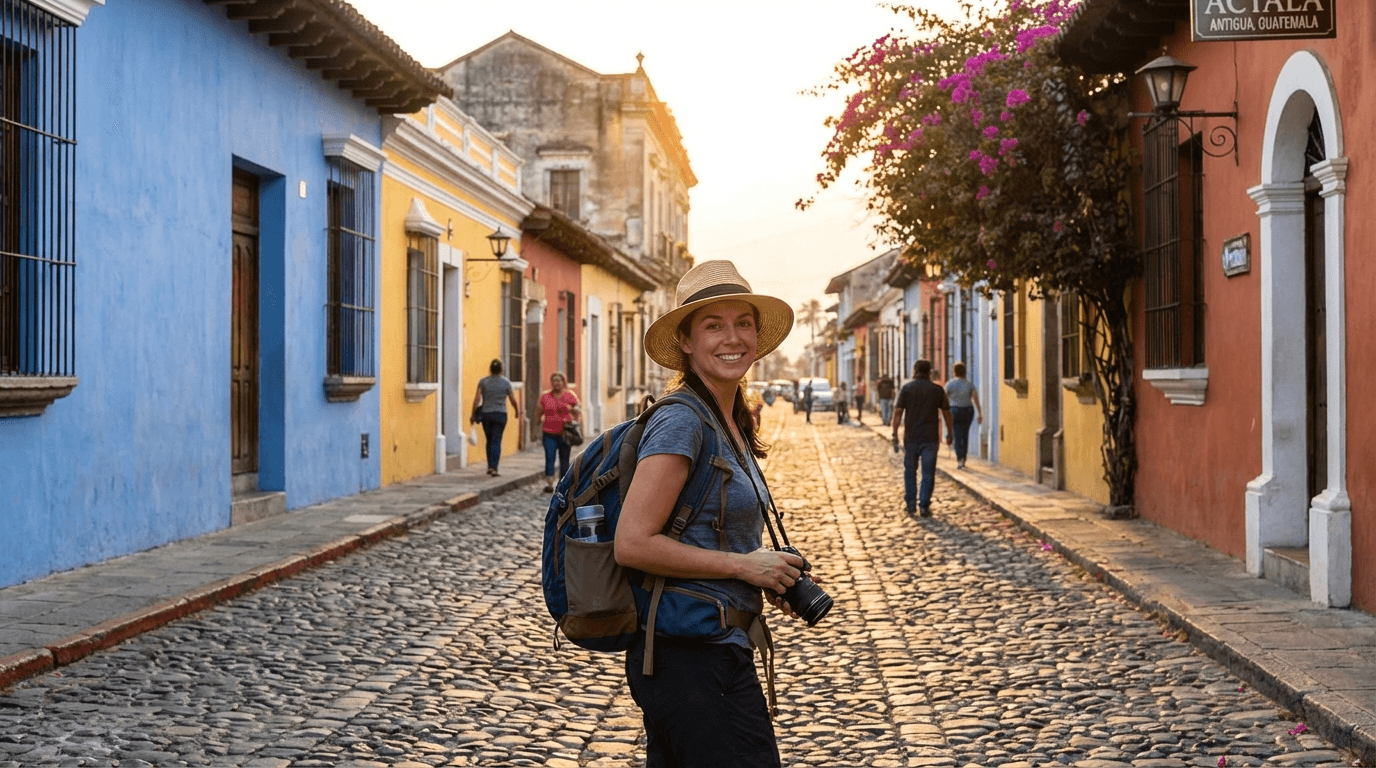
Table of Contents
Let's be upfront: Central America has a complicated reputation. Some corners of the internet will tell you it's a war zone; others paint it as an untouched paradise with zero risks. The truth, as always, lives somewhere in the middle. Millions of travelers — solo backpackers, couples, families — pass through this region every year without incident. The key is traveling smart, not paranoid.
This guide doesn't sugarcoat things. We'll walk you through what's actually going on in each country, what scams to watch for, how to get around safely, and what to do if something does go wrong. Think of it as advice from a well-traveled friend who's been there, messed up a few times, and came back to tell the story.
Country-by-Country Safety Overview
Guatemala
Guatemala is one of the most popular destinations in the region — and for good reason. From the colonial streets of Antigua to the volcanic shores of Lake Atitlán, it's stunning. Safety-wise, it's manageable for most travelers if you're aware of your surroundings.
Petty theft is the main concern in tourist areas. Pickpocketing on crowded buses and bag snatching on city sidewalks happen — especially in Guatemala City. Avoid Zone 18 and Zone 21 in the capital entirely. Antigua and tourist-heavy areas around the lake are generally safe during the day. Nighttime in Guatemala City outside of Zones 10 and 14? Skip it.
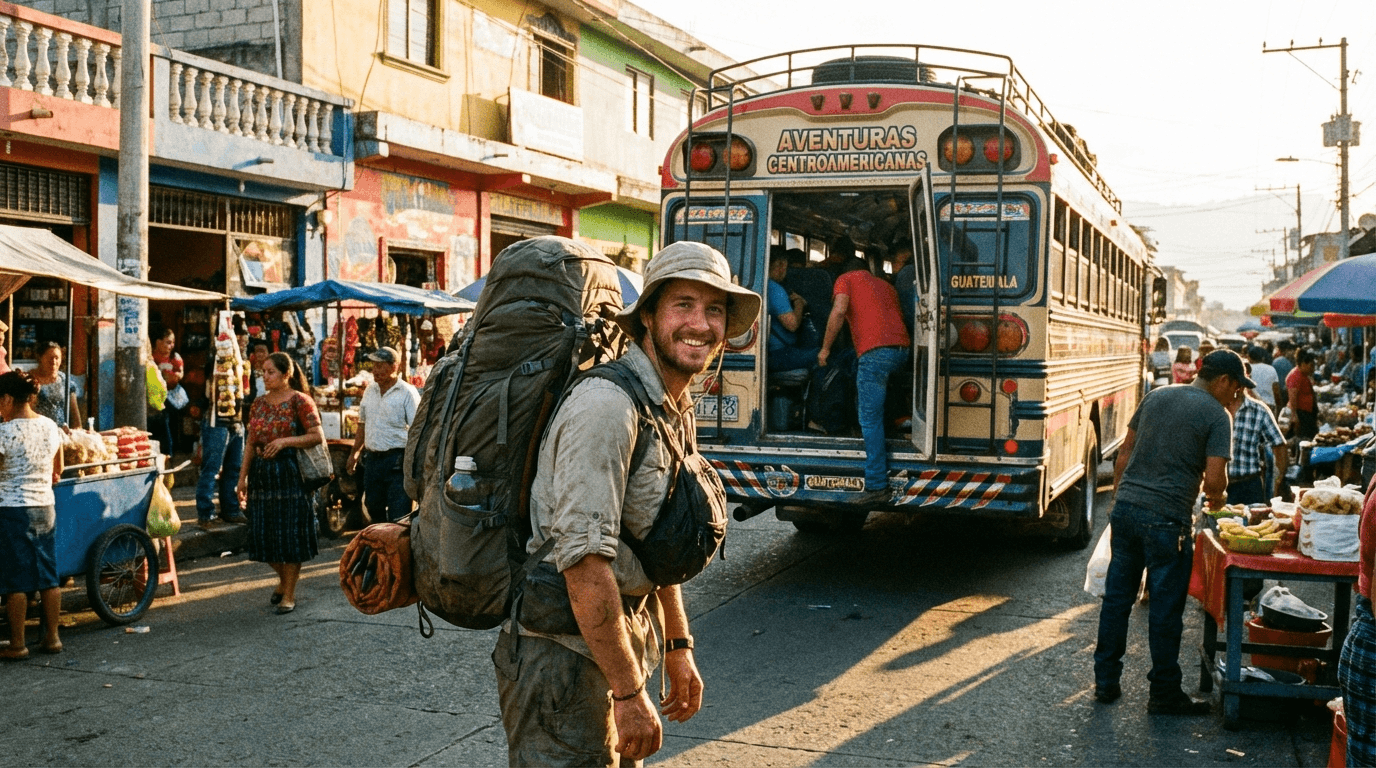
The iconic "chicken buses" (old U.S. school buses) are cultural and cheap, but they're a prime spot for pickpockets. Keep your bag in your lap, not overhead.
Honduras
Honduras gets a bad reputation from crime statistics that are real but heavily concentrated in specific urban areas — primarily San Pedro Sula and parts of Tegucigalpa. As a tourist, you can realistically visit Roatán, Copán, and the Bay Islands with manageable risk.
Roatán is genuinely low-risk by regional standards. Copán Ruinas is a sleepy, friendly town. Avoid overnight land border crossings and stick to daytime travel between cities. If you're not going off the beaten path, Honduras is more accessible than headlines suggest.
El Salvador
El Salvador has undergone a dramatic transformation since President Bukele's crackdown on gang activity beginning in 2022. Crime statistics have plummeted, and the country has seen a surge in tourism. The beach towns of El Tunco and El Zonte (known as "Bitcoin Beach") are lively and welcoming.
That said, the crackdown has raised human rights concerns, and the situation remains politically fluid. The safety gains are real — most travelers report feeling comfortable in tourist areas. Just stay updated on current conditions before you go, and avoid areas recommended against by your government's travel advisory.
Nicaragua
Nicaragua remains politically sensitive following the 2018 protests and subsequent government crackdown. Many Western governments still carry elevated advisory levels. That said, travelers do visit — particularly Granada, León, and the Corn Islands — and most report being treated warmly by locals.
The political situation means you should research current conditions carefully before booking. Avoid any political gatherings or protests without question. Tourism infrastructure is thinner than neighboring countries, which cuts both ways: fewer crowds, but fewer safety nets too.
Costa Rica
Costa Rica is the poster child of Central American tourism — stable, democratic, and well-visited. It's the safest country in the region by most measures, though "safe" doesn't mean "without risk."
Petty theft is the biggest issue, particularly at beaches (leave nothing in rental cars — ever) and in San José's busier streets. Express kidnappings and drug-related crime have increased in some coastal areas in recent years. Liberia, Manuel Antonio, and the Arenal region are well-touristed and generally smooth. Stay alert in San José's Coca-Cola bus terminal area, which is rough at any hour.
Panama
Panama City is one of the most cosmopolitan cities in Latin America — think gleaming skyscrapers, an efficient metro, and a well-worn tourist trail through Casco Viejo. For most visitors, it feels comfortable and organized.
The Darién Gap — the jungle border with Colombia — is genuinely dangerous and not a tourist destination. Full stop. The rest of Panama, including Bocas del Toro and the Pearl Islands, is accessible with standard precautions. As with everywhere, petty crime happens in busy areas; don't carry your passport (use a copy) and keep valuables secured.
Belize
Belize is small, English-speaking, and home to stunning Caribbean reef diving. Belize City has a rough reputation and honestly earns some of it — it's not a place to linger. Most travelers pass through quickly to reach Caye Caulker, Ambergris Caye, or the jungle lodges in the interior.
Outside Belize City, the country is largely low-risk for travelers. The Cayes are relaxed and tourist-friendly. San Ignacio in the west is charming and walkable. Skip Belize City unless you have a reason to be there, and if you must stay, stick to tourist-designated areas and don't walk at night.
Common Scams and How to Avoid Them
Knowing the playbook is half the battle:
The Fake Police Stop: Someone approaches you claiming to be a plainclothes officer and asks to inspect your wallet for counterfeit bills or drugs. Real police will not do this on the street. Decline firmly, say you'll only speak at a police station, and walk away toward a public space.
Taxi Overcharging: Metered taxis exist in some cities; in others, you must negotiate a price before getting in. Always agree on the fare first. In Guatemala City and San José, unlicensed taxis operate and are risky. Use apps like Uber, InDriver, or Cabify wherever available — they're safer and cheaper.
The Distraction Technique: Someone spills something on you, offers to help clean it up, and a partner steals your bag while you're distracted. If someone bumps into you or makes physical contact unexpectedly, immediately check your pockets.
ATM Skimming: Use ATMs inside banks during business hours, not standalone machines on the street. Cover your PIN. In tourist areas, ATM fraud is a known problem.
Fake Tour Operators: Always book tours through your hotel or a reputable agency. Random people on the street offering "great deals" on day trips have been known to take money and disappear, or worse, take travelers to unsafe locations.
Overpriced "Official" Exchange Rates: Money changers on the street sometimes use rigged calculators or sleight of hand. Use bank ATMs for the best exchange rate and avoid street changers entirely.
Transport Safety
Chicken Buses: Colorful, cheap, authentic — and a pickpocket's playground. Keep your bag on your lap with the zipper facing you. Don't put valuables in overhead racks or in luggage underneath the bus if you can help it.
Tourist Shuttles: For longer routes (e.g., Antigua to Flores, or San José to Granada), tourist shuttle services are worth the extra cost. They're faster, air-conditioned, and significantly safer than local buses for cross-border travel. Companies like Tica Bus and Hedman Alas are reputable for intercity routes.
Taxis: In all countries, prefer radio taxis, hotel-called taxis, or app-based services over hailing on the street. In Nicaragua and Honduras especially, call a cab from your restaurant or hotel. Never share a taxi with strangers.
Night Buses: Avoid overnight bus travel in Guatemala, Honduras, and El Salvador where possible. If you must travel at night, choose a reputable company with direct routes. Night buses have been targeted by armed robbery in the past on certain routes.
Rental Cars: Don't leave anything visible in a parked car — not a bag, not a jacket, not a phone charger. Rental car break-ins are extremely common across the region, especially at beaches and tourist sites in Costa Rica and Panama.
Solo Travel Tips (Especially for Women)
Solo travel in Central America is absolutely doable — thousands of women do it every year. It requires a bit more planning, but it's rewarding.
- Trust your gut. If a guesthouse, a guide, or a situation feels off, it is. You don't owe anyone an explanation for leaving.
- Don't announce you're alone. At hotels, hostels, or when asked by strangers, a vague "I'm meeting friends later" is fine.
- Choose well-reviewed accommodations. Read recent reviews specifically from solo female travelers. Hostels with common areas and active social scenes can actually feel safer than isolated guesthouses.
- Dress to blend in. This isn't about victim-blaming — it's practical. In conservative towns, cover up a little. In beach towns, that's less relevant. Watch what local women wear and calibrate accordingly.
- Street harassment is common and usually verbal. Ignoring it firmly (no eye contact, no response) is the most effective strategy. It's annoying but rarely escalates.
- Share your itinerary. Let someone know where you're going and when you expect to arrive. Check-in when you do.
- WhatsApp groups for solo female travelers in specific countries are goldmines for current safety intel. Search Facebook for active groups like "Solo Female Travelers in Guatemala."
Nighttime Safety
The single most effective rule: reduce night movement, especially in unfamiliar areas.
- In any city, take a taxi or app-based car after dark — even for short distances.
- Avoid walking and using your phone simultaneously at night.
- Pre-download offline maps (Maps.me or Google Maps offline) so you're not staring at your screen on a dark street corner.
- Stick to areas where other tourists and locals are visibly out and about.
- Know where your accommodation is before it gets dark. Getting lost at night is how small problems become bigger ones.
- If you're going out, let the hotel or hostel know where you're headed.
Health Precautions
- Water: Drink bottled or filtered water everywhere except Costa Rica (where tap water in most cities is fine). Brush teeth with bottled water in Honduras, Guatemala, and Nicaragua.
- Mosquito-borne illness: Dengue, Zika, and chikungunya are present across the region. Use DEET repellent religiously, especially at dawn and dusk. Malaria risk is low in tourist areas but exists in jungle and rural zones — consult your doctor.
- Food safety: Street food is generally fine at busy, high-turnover stalls. Avoid raw salads in lower-end restaurants unless you know the water source. Peel your own fruit.
- Travel insurance: Non-negotiable. Make sure it covers emergency medical evacuation — a helicopter from a remote area can cost $30,000+ without coverage.
- Altitude sickness: If you're heading to Guatemalan highlands (over 2,000m), take it easy the first day. Acclimatize before doing strenuous hikes.
Emergency Numbers
Keep these saved in your phone before you arrive:
| Country | Police | Ambulance | Tourist Police |
|---|---|---|---|
| Guatemala | 110 | 122 | 1500 |
| Honduras | 911 | 195 | 101 |
| El Salvador | 911 | 132 | 911 |
| Nicaragua | 118 | 128 | 118 |
| Costa Rica | 911 | 911 | 1-800-012-3456 |
| Panama | 104 | 911 | 104 |
| Belize | 911 | 90 | 0-800-700-SAFE |
Also save your country's embassy number. Most embassies have 24-hour emergency lines for citizens abroad.
What to Do If You're Robbed
It happens to experienced travelers. Here's how to handle it:
- Don't resist. Your phone and wallet are replaceable. You are not. Hand it over.
- Stay calm and let them leave. Don't chase, don't yell, don't try to be a hero.
- Go to a safe, public space — a hotel lobby, a restaurant, anywhere with people.
- File a police report even if you think it's futile. You'll need it for insurance claims. In Costa Rica and Guatemala, there are tourist-specific police units that handle this.
- Cancel cards immediately. Have your bank's international number saved somewhere separately (email, a note in your accommodation, with a friend back home).
- Contact your embassy if your passport was taken. They can issue emergency travel documents.
- Keep a backup. Before your trip, photograph your passport, cards, and insurance documents and email them to yourself. Carry a photocopy of your passport and leave the original in your hotel safe when possible.
The Bottom Line
Central America rewards travelers who pay attention. The vast majority of people here are warm, welcoming, and proud of their countries — they want you to have a good time. Crime and risk are real, but they're manageable with common sense and good information.
Don't let fear keep you from exploring Guatemala's volcanic highlands, diving Belize's Blue Hole, or falling in love with Costa Rica's biodiversity. Just travel the way you'd want a friend to travel: aware, prepared, and open to the unexpected.
Stay safe. Stay curious.

About the Author
Hotels CA TeamEditorial Research Team
Hotels CA Team is the editorial desk behind these Central America hotel and travel guides. We research public property information, official sources, and traveler feedback. A hotel page is not a personal visit unless the article says so.