Best Area to Stay in Guanacaste, Costa Rica (2026): Tamarindo, Papagayo, Nosara & More
Compare Tamarindo, Papagayo, Playas del Coco, Nosara, and Santa Teresa-adjacent Guanacaste bases. Who each area is for, transfer times, and hotel tradeoffs.
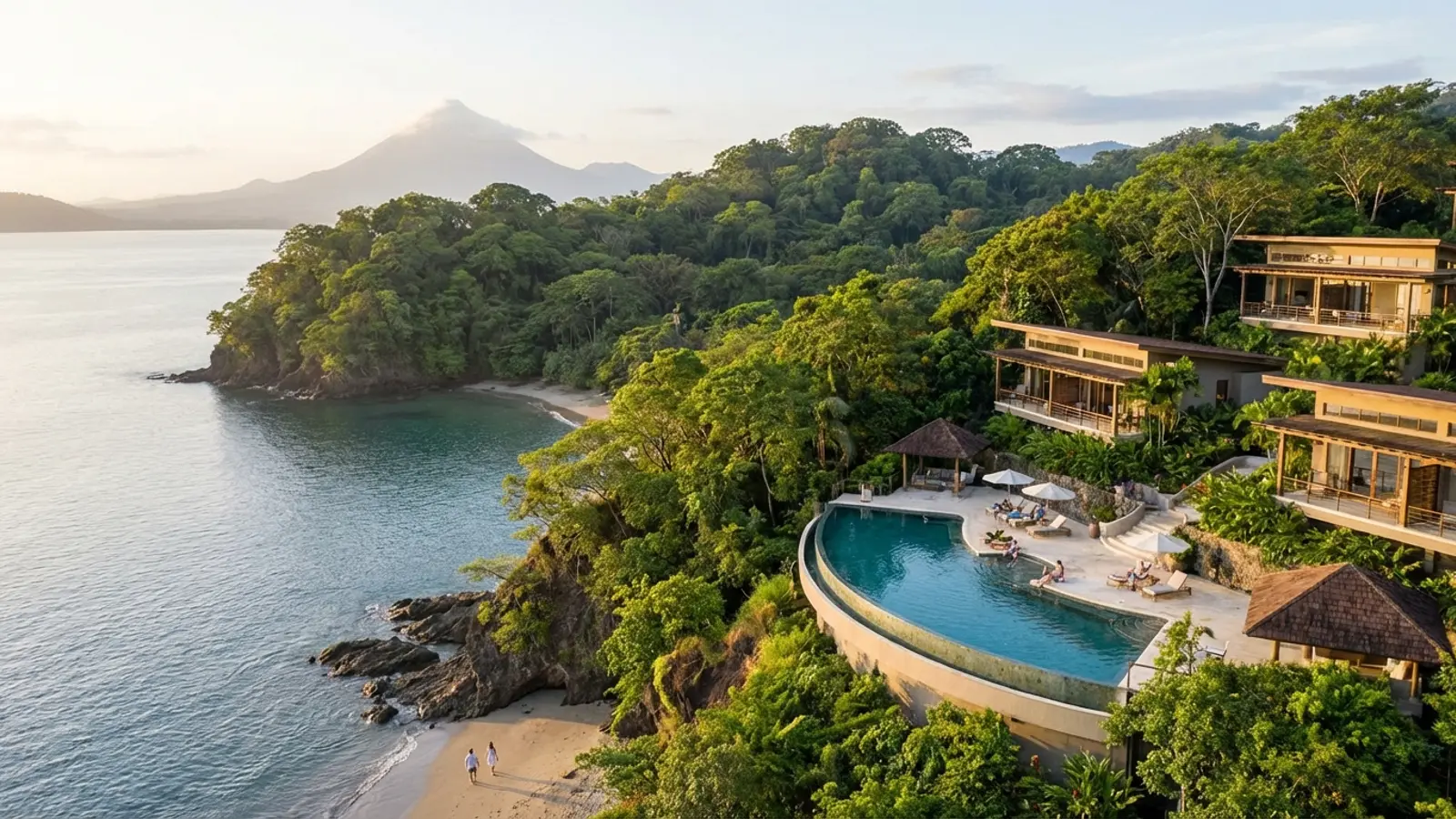
Table of Contents
Guanacaste is a province, not a beach
Search “best area to stay in Guanacaste” and you get four different trips: a gated resort peninsula, a walkable surf town, a working port with dive boats, and a dirt-road yoga village three hours from the airport. They share a dry-season climate and Liberia as a gateway — not a nightlife, a transfer, or a nightly rate.
Guanacaste is Costa Rica’s northwest Pacific province — the driest, sunniest stretch of the country, which is why winter flights pile into Daniel Oduber Quirós International Airport (LIR) instead of continuing to San José. The mistake is treating “Guanacaste” as one hotel cluster. Tamarindo and Nosara sit on the Nicoya Peninsula; Papagayo is not a town at all. Pick the area first. The hotel is the second decision.
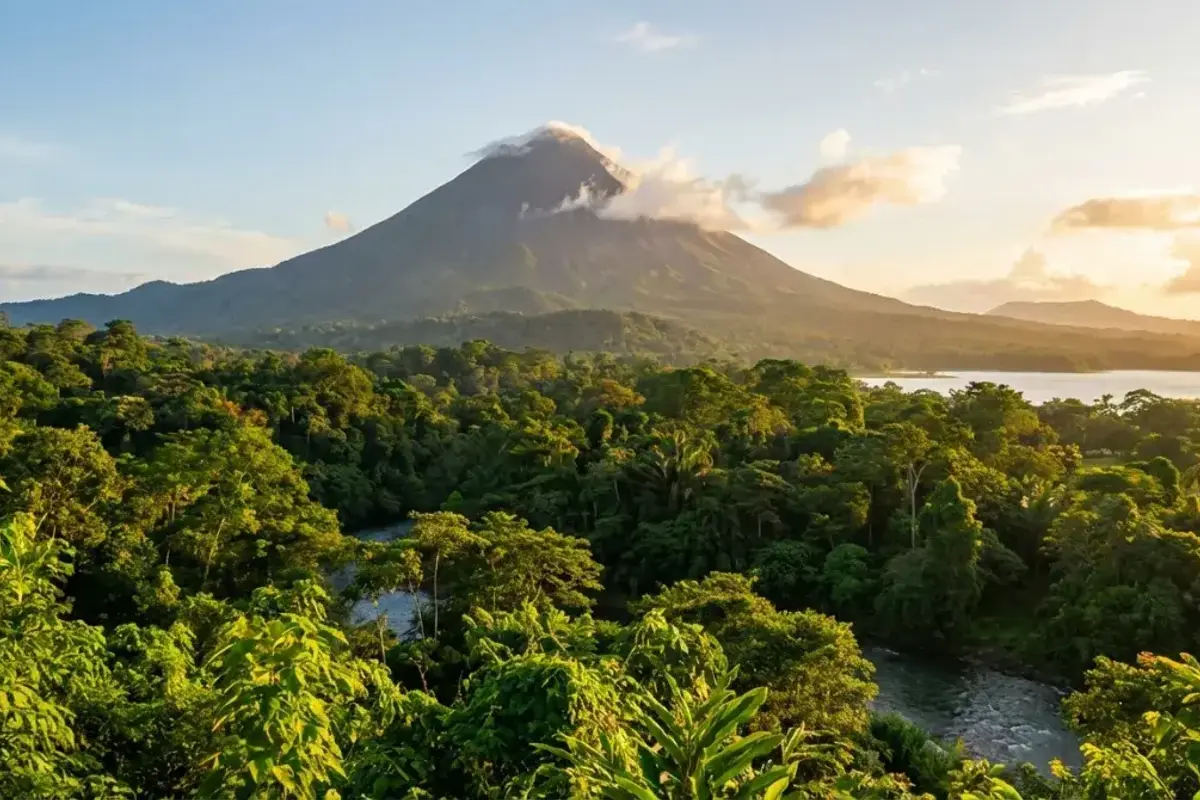
If you are also weighing the central Pacific, our Manuel Antonio where-to-stay guide is the right comparison: that coast is greener, hillier, and built around a park gate. For a volcano first, use La Fortuna and fly SJO, not LIR. Country seasons and daily bands: Costa Rica hub. Guanacaste is built around beaches, boats, and how far you will drive after you land.
Fly into Liberia (LIR), not San José
Liberia is the correct airport for a Guanacaste beach week. The terminal sits just west of Liberia city, far closer to the coast than Juan Santamaría (SJO). A private transfer to Papagayo or Playas del Coco is often under 45 minutes in dry-season traffic. The same trip from SJO is five to six hours.
Use SJO only if the first nights are in the Central Valley, Arenal, or Manuel Antonio. Combining both airports is common on two-week itineraries. For a beach-only stay of five to ten nights, book LIR and skip San José hotels.
Liberia city is not a beach base. Stay there only for a red-eye, a 6 a.m. departure, or a Rincón de la Vieja hiking day. Otherwise go straight to the water. Shuttles, rental cars, and pre-booked vans all operate at LIR; treat published transfer quotes as ranges. They move with season and flight banks.
Area comparison at a glance
Times assume a private van in decent dry-season conditions. Green-season rain, holiday traffic, and the last unpaved stretch into Nosara add 20–60 minutes. Nightly ranges are a planning band, not a quote; Christmas week and Semana Santa sit well above each range.
| Area | Vibe | Transfer from LIR | Typical stay band | Best for |
|---|---|---|---|---|
| Papagayo Peninsula | Gated luxury, resort bubble, golf | 25–40 min | $$$$ | Honeymoons, all-inclusive weeks, short luxury trips |
| Playas del Coco / Ocotal | Working port, dive boats, local sodas; Ocotal quieter | 30–45 min | $–$$$ | Divers, 3–4 night trips, travelers who want a town |
| Playa Hermosa (Guanacaste) | Small cove, low-rise hotels, calmer water | 35–50 min | $$–$$$$ | Couples who want Papagayo access without the gate |
| Flamingo / Potrero / Conchal | Marina condos, shell beach, more residential | 50–75 min | $$$–$$$$ | Families, golf, people who dislike Tamarindo’s scene |
| Tamarindo | Walkable surf town, restaurants after 9 p.m. | 60–90 min | $$–$$$$ | First-timers, groups, food and nightlife |
| Hacienda Pinilla / Avellanas | Resort campus and emptier surf beaches | 70–95 min | $$$–$$$$ | Golf, longer villa stays, quieter Tamarindo-adjacent base |
| Sámara | Small-town beach, learners’ surf | 2–2.5 hrs | $$–$$$ | Families, slower pace, mid-range Nicoya |
| Nosara | Yoga-surf, dirt roads, high prices | 2.5–3.5 hrs | $$$–$$$$ | Wellness, long stays, committed surfers |
Santa Teresa is left off on purpose. It sits in Puntarenas, on the southern Nicoya Peninsula. People bundle it with Guanacaste because both are “Nicoya,” but the LIR drive is a different day.
Papagayo Peninsula: stay here if the resort is the trip
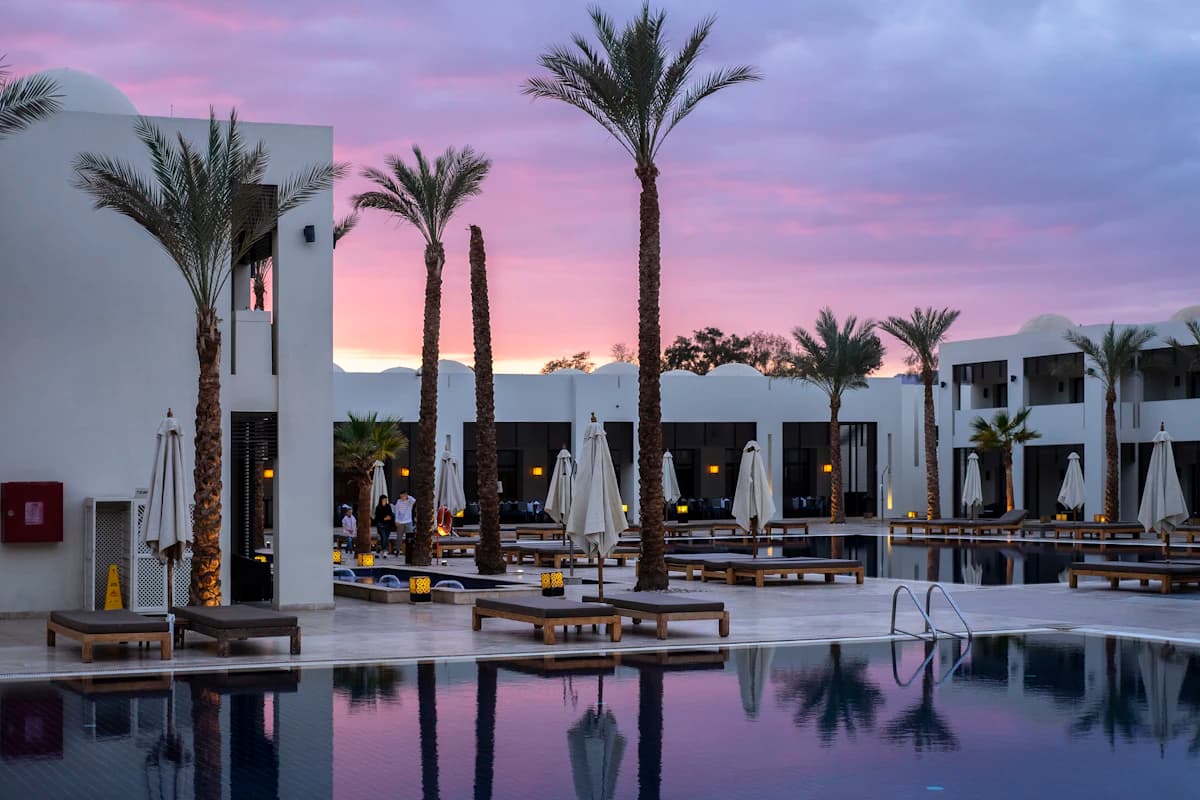
Papagayo is a master-planned peninsula north of Playas del Coco. There is no public strip of bars. Access is gated. Beaches such as Prieta, Nacascolo, and the hotel coves are the point. You eat, swim, and book spa or golf on property. A boat day to Witch’s Rock or the Catalinas is an excursion, not a stroll.
That model works for four nights or fewer, a celebration, or anyone who does not want a rental car. It fails if you want to walk to a soda for casado. Food and off-property transfers carry resort premiums.
Andaz Costa Rica at Peninsula Papagayo is the design-forward Hyatt here: two beaches, a serious pool deck, and a layout that handles families better than the more hushed Four Seasons next door. All-inclusives sit closer to the Coco side if you want a meal plan without leaving the gate. Compare Papagayo with inland lodges on the Costa Rica hotel list if the trip also includes a volcano.
Choose Papagayo if: the LIR transfer should be short, you are fine inside a resort, and the budget is already luxury. Skip it if: you want nightlife, a daily rental car, or a mid-range room.
Playas del Coco and Ocotal: the closest real town
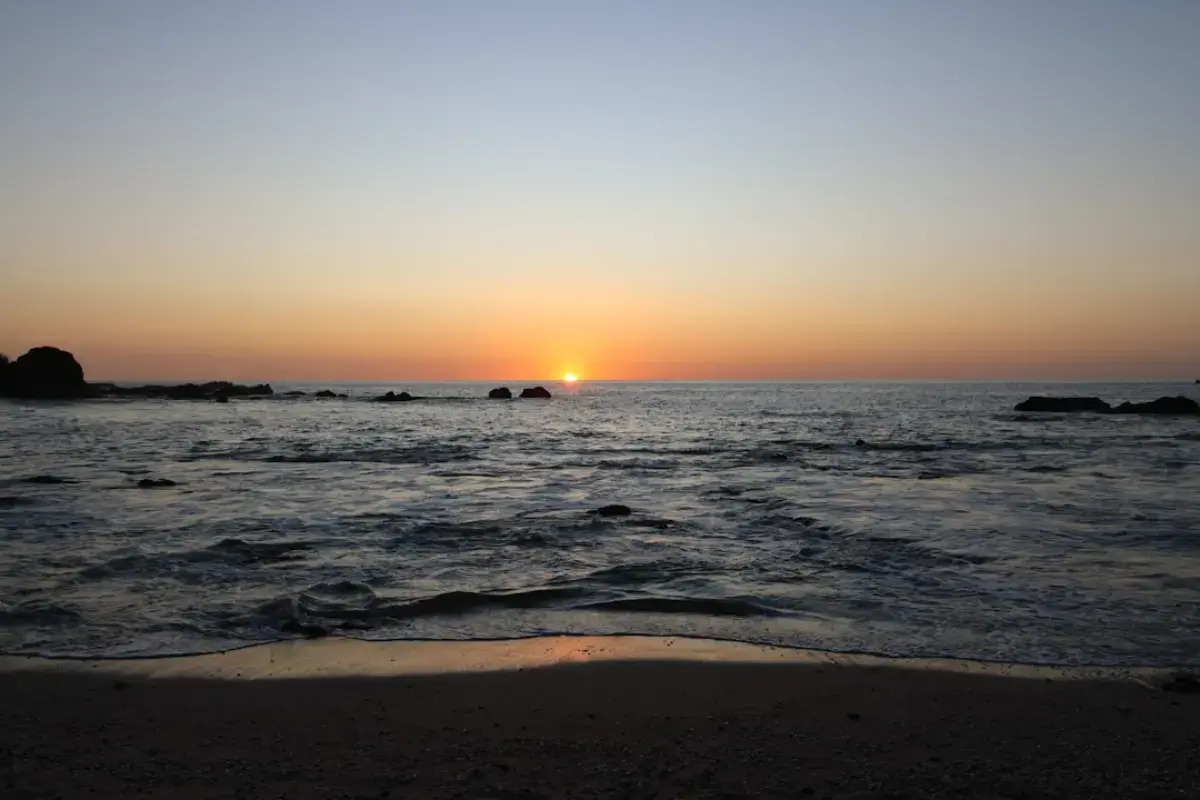
Playas del Coco is a working beach town with a municipal dock, dive shops, and a main street that still sells fishing gear next to smoothie bowls. It is not pretty in the brochure sense. It is useful. The LIR transfer is the shortest of any town with restaurants you can walk to. Catalina Islands diving and, in season, Bat Islands trips leave from here. Sunset is over the gulf, not a long Pacific break.
Ocotal is the next cove south: smaller, hillier, more enclosed, fewer late bars. People who find Coco too scruffy often move one bay over and keep the same dive operators. Playa Hermosa — the Guanacaste Hermosa, not the one near Jacó — sits between Coco and Papagayo: calmer swimming, low-rise hotels, and a 10–15 minute taxi to Coco’s restaurants.
Coco works for a long weekend, a dive week, or a late landing when you do not want a 90-minute night drive to Tamarindo. Skip it if you came for a long sand spit or a polished food scene. Budget and mid-range rooms exist; ultra-luxury is thinner than on Papagayo.
Choose Coco/Ocotal if: the clock after landing matters, you dive, or you want town life mixed with the beach.
Tamarindo: the default, with reasons
Tamarindo is what most first-time visitors mean when they say Guanacaste. The town sits on a long surf beach with an estuary at the north end (Las Baulas / Tamarindo Wildlife Refuge) and a dense grid of restaurants, surf schools, and shops behind the sand. You can skip a rental car if the hotel is in town or on the beach path — rare in this province.
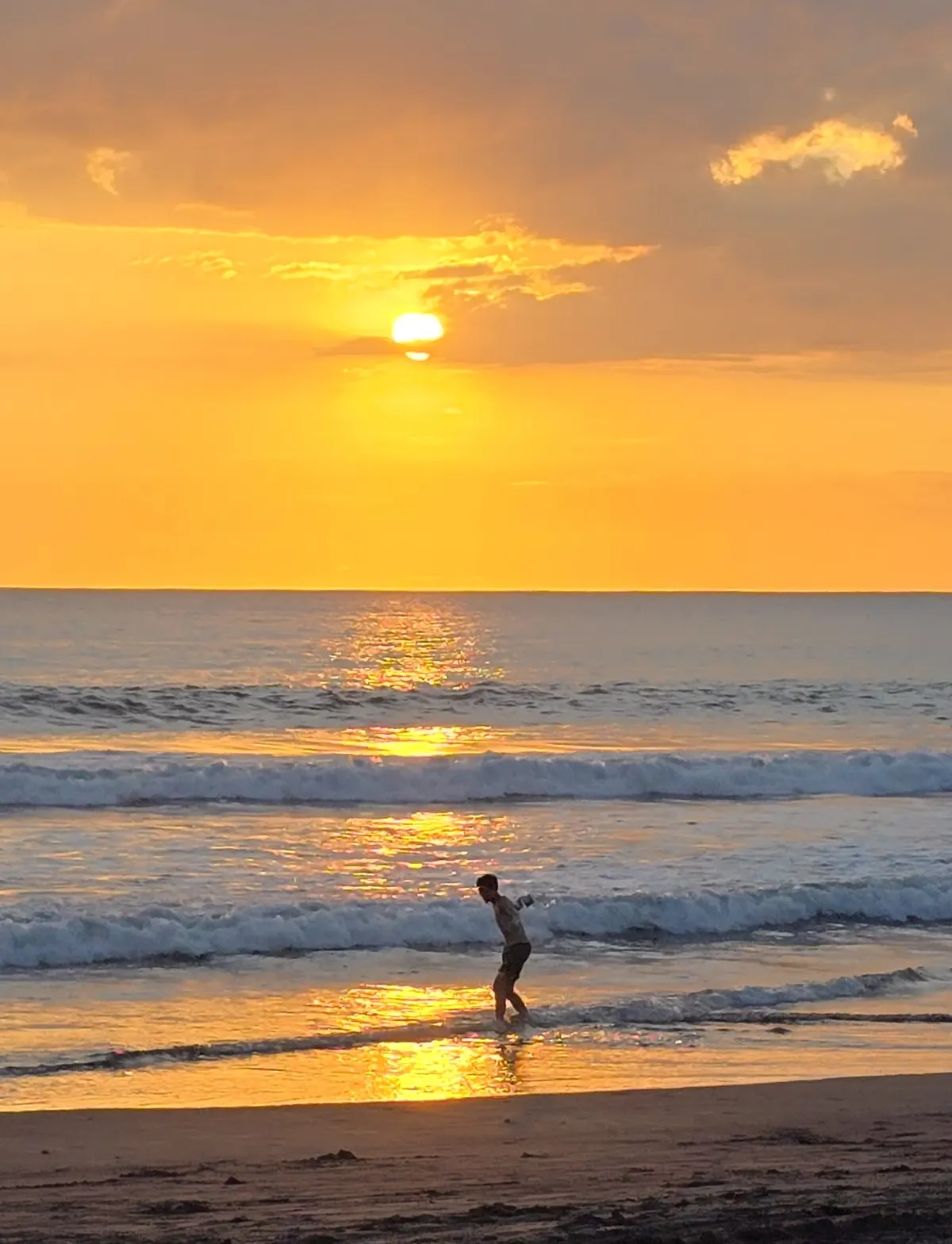
The tradeoffs are honest. The beach is a working surf break, not a lagoon. Holiday weeks feel crowded. ATVs and golf carts are part of the soundtrack. The upside is choice: dinner after 9 p.m., a sunset catamaran without a resort desk, and the option to change hotels mid-week. Langosta, immediately south, is quieter and still a short taxi from dinner.
Hacienda Pinilla, 10–20 minutes south, is a gated resort and residential campus with golf, emptier beaches (Mansita, then Avellanas), and the JW Marriott Guanacaste as the flagship. Guests who want Tamarindo’s climate without the main street stay here and taxi into town for a night out. Avellanas is a surf beach with a handful of lodges — not a substitute for a town.
Choose Tamarindo if: it is a first Pacific trip, the group wants restaurants and surf lessons, or you refuse to rent a car. Skip it if: you want silence or a swimming beach with no closeouts.
Flamingo, Potrero, and Conchal: the quieter north coast
Between Coco and Tamarindo, the coast folds into Potrero, Playa Flamingo, and Brasilito / Conchal. Flamingo is a white-sand bay with a marina and a condo-heavy, residential feel. Potrero next door is less dressed up and popular for longer stays. Conchal is the crushed-shell beach in front of the large Westin all-inclusive; day visitors also walk in from Brasilito.
This cluster suits families who want calmer water than Tamarindo’s break, and anyone who finds Papagayo too sealed but Tamarindo too busy. You will want a car or a patient taxi budget. Dining is thinner after dark. All-inclusive pricing at Conchal can look high until you add à la carte dinners and transfers at a comparable resort — then it is a math problem. Run the numbers against our Costa Rica travel budget guide; Guanacaste sits at the expensive end of the country even before you pick a peninsula.
Nosara and Sámara: farther, slower, and not interchangeable
The central Nicoya coast is where Guanacaste stops feeling like a resort circuit. Route 21 gets you most of the way; the last stretch into Nosara is the part people warn you about. Dry season: dust and washboard. Green season: mud, standing water, and a compact rental you will regret. Budget 2.5–3.5 hours from LIR and do not book a same-day surf lesson after a late inbound flight.
Nosara (Guiones, Pelada, Garza) is a yoga-and-surf town with few high-rises, howler monkeys in the trees, and prices that have detached from the rest of the province. Guiones is the long beach break; Pelada is the smaller cove. Boutique hotels, villas, and wellness retreats dominate — there is no all-inclusive scene worth planning around. Food is good and expensive. If your picture of Guanacaste is a 40-minute airport transfer and a swim-up bar, Nosara will feel like another country.
Sámara, usually a bit faster to reach, is the softer landing. The bay is more protected, the town is walkable, and families use it as a learners’ surf base. Hotels run mid-range more often than ultra-luxury. It is not a consolation prize for a missed Nosara villa; it is a different, smaller-town stay.
Ostional, between them, is the olive ridley arribada beach. Timing is seasonal and regulated; treat it as a guided outing from Nosara or Sámara, not a reason to book a random room on a dark beach.
Choose Nosara if: wellness and surf justify the road and the rate. Choose Sámara if: you want Nicoya’s pace with a gentler bay and a lower hotel band.
Santa Teresa is not a Guanacaste base
Santa Teresa, Mal País, and Cabuya sit on the southern Nicoya Peninsula in Puntarenas. Instagram treats them as the same trip as Tamarindo. The map does not. From LIR you are looking at four to five-plus hours via Nicoya, or a flight into Tambor (TMU) plus a rough transfer. From SJO the usual route is the Paquera ferry and the Cóbano road.
If the brief is “Guanacaste, fly LIR, one hotel,” do not pick Santa Teresa. If the brief is dirt-road surf towns and sundown at the point, Santa Teresa is its own destination — stop calling it Guanacaste. The Guanacaste-adjacent bases for that vibe are Nosara and, to a lesser degree, Sámara. Punta Islita, still on the Guanacaste side of the provincial line, is a secluded lodge, not a town.
Airport hotel versus beach hotel
Stay near LIR when you land after 8 p.m. and the real hotel is Nosara, Sámara, or anywhere past Tamarindo; when you fly out before 8 a.m.; or when Rincón de la Vieja (hot springs, waterfalls, dry forest) is a full day and the beach is a separate chapter.
Stay on the beach when you have four or more nights and only one airport, when the point of the trip is swimming, or when a second hotel check-in with kids is not worth it.
A hybrid that works: first night in Coco or Papagayo after a late LIR arrival, then a mid-trip move to Tamarindo or Nosara. A hybrid that rarely works: Liberia city for five nights “to be close to everything.” You will be close to the ring road, not the water.
Dry season versus green season changes the area math
Guanacaste’s dry season (roughly December–April) is why this coast exists as a winter product. Papagayo, Coco, and Tamarindo can go weeks with almost no rain. Dirt roads are dusty rather than impassable, and hotel rates sit at their highest — especially mid-December through early January, and Semana Santa. Book those windows early or change the destination.
The green season (May–November) is not the Caribbean. Guanacaste still gets more sun than Manuel Antonio or the Osa. Typical pattern: bright mornings, a hard afternoon rain, a usable evening. July often brings a short dry spell (veranillo). September and October are the wettest and the cheapest. For the month-by-month picture, use the best time to visit Costa Rica guide: this province stays more beachable than the rest of the Pacific in the rain months.
What changes by area:
- Papagayo and Coco: still easy transfers. Resort pools matter more. Some boat days cancel in heavier swell.
- Tamarindo: the town works in the rain; lightning and the estuary can shut down water sports for an afternoon.
- Nosara / Sámara: the road is the variable. A 4x4 stops being optional.
- Landscape: by March the hills above Tamarindo and Pinilla are brown. In June they are green again. Photographers often prefer early green season; swimmers who hate any rain should stay in January–March.
Rates move with those seasons. A mid-range Tamarindo room and a Papagayo suite can each double between October and Christmas week. Check the dates; published “from” prices are usually green-season figures.
How to choose without a spreadsheet
- Short luxury trip, hate transfers: Papagayo (or Hermosa / Ocotal for a cove).
- First beach week, want restaurants: Tamarindo.
- Dive or a four-night weekend: Playas del Coco.
- Family, calmer bay, still near LIR: Flamingo / Conchal / Hermosa.
- Yoga, surf, two weeks: Nosara.
- Nicoya with kids and a softer break: Sámara.
- You keep saying Santa Teresa: accept the extra travel day, or book Nosara.
Rent a car for Nosara, Sámara, Flamingo day trips, and any itinerary that includes Rincón de la Vieja plus the beach. Skip it on Papagayo and in central Tamarindo. Night driving on unlit roads and Nicoya dirt is the main safety issue, not the towns.
Guanacaste will give you dry-season sun either way. It will not give you a walkable food scene, a 30-minute LIR transfer, and a dirt-road wellness town in the same hotel. Pick the constraint you will not compromise — transfer time, budget band, or vibe — and let the area follow.

About the Author
Hotels CA TeamEditorial Research Team
Hotels CA Team is the editorial desk behind these Central America hotel and travel guides. We research public property information, official sources, and traveler feedback. A hotel page is not a personal visit unless the article says so.