El Salvador Surf Hotels: Complete Guide to the Best Stays on the Pacific Coast
Find the best surf hotels in El Salvador for 2026. From El Tunco's boutique stays to La Libertad's budget-friendly options, your guide to riding Central America's best waves.
Table of Contents
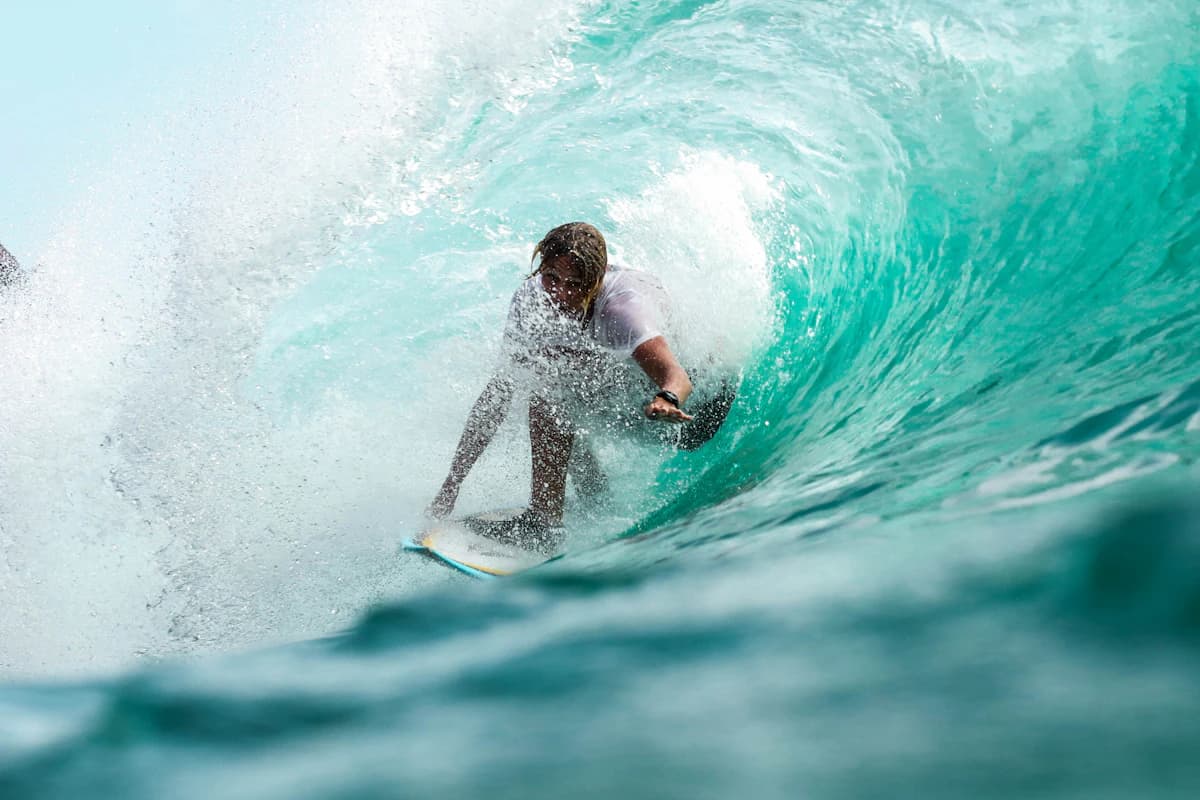
El Salvador has quietly established itself as one of the premier surf destinations in the Americas. The country's Pacific coastline receives consistent, powerful swells year-round, with a variety of breaks that cater to everyone from first-time surfers to seasoned professionals. The famous right-hand point break at Punta Roca hosted an ISA World Surfing Games, putting El Salvador firmly on the global surf map. What makes the country particularly appealing is the combination of world-class waves, warm water that never requires a wetsuit, affordable prices, and a growing selection of surf-focused accommodation. This guide covers the best surf hotels along El Salvador's coast, organized by area, to help you find your perfect base for riding Central America's finest waves.
The Surf Geography of El Salvador
El Salvador's Pacific coast runs roughly 320 kilometers from the Guatemalan border in the west to the Gulf of Fonseca in the east. The coastline is characterized by volcanic black sand beaches, rocky points, and river mouths that create a diverse range of wave types. The majority of surf spots and surf-oriented accommodation cluster around the La Libertad department, roughly 30 to 45 minutes south of San Salvador, though emerging destinations further east offer uncrowded alternatives.
The surf season technically runs year-round, but conditions vary significantly. The best and most consistent swells arrive during the Southern Hemisphere winter, from March through October, when south and southwest swells light up the coast. Wave heights during this period regularly reach overhead, with occasional double-overhead swells that produce truly epic sessions. The dry season (November through April) sees smaller, cleaner surf that is ideal for beginners and intermediate surfers, along with offshore winds that groom the waves to perfection.
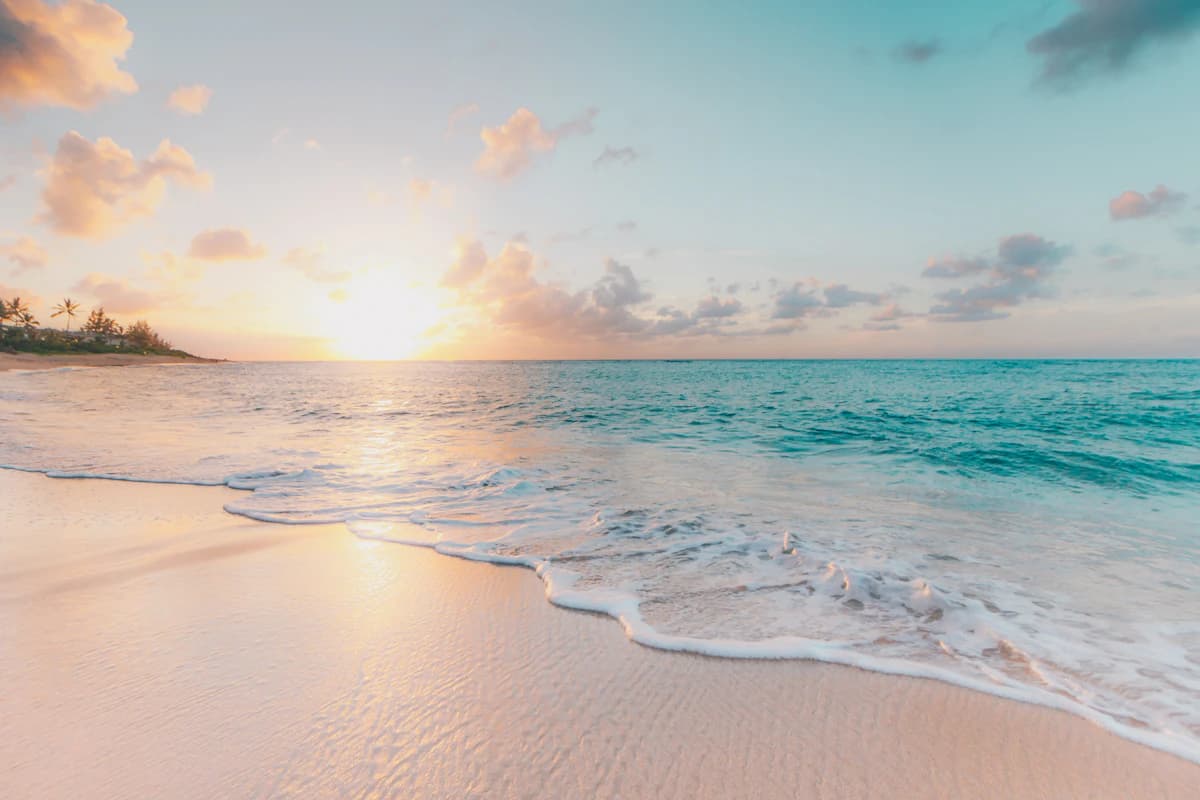
Water temperatures hover between 26 and 30 degrees Celsius throughout the year, meaning boardshorts or a light rashguard are all you need. The air temperature is similarly warm, with the coastal areas benefiting from constant sea breezes that moderate the tropical heat.
El Tunco: The Surf Hub
Las Flores Surf Club El Tunco
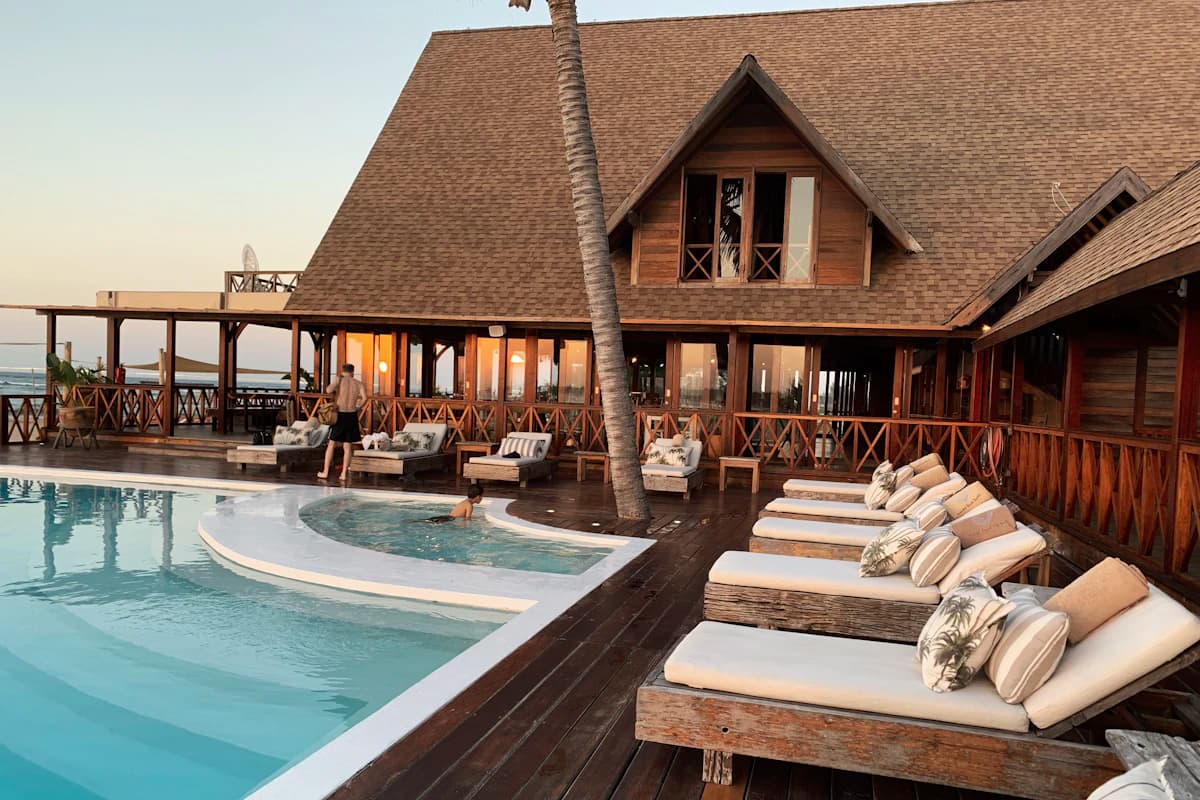
Not to be confused with the Las Flores resort further east, Las Flores Surf Club in El Tunco offers a polished boutique experience in the heart of the country's most popular surf town. The property features a rooftop pool with views of the Pacific, well-appointed rooms with air conditioning and modern bathrooms, and a restaurant that serves both Salvadoran cuisine and international dishes with a focus on fresh, healthy options that fuel surf sessions.
The hotel's surf program is comprehensive. Board rentals cover everything from soft-top learner boards to high-performance shortboards and fish shapes suited to the local waves. Surf instructors are available for private and group lessons, with video analysis sessions that accelerate progression. The hotel also arranges boat trips to offshore breaks and dawn patrol sessions at Punta Roca when conditions are optimal.
El Tunco's main break is visible from the hotel, making it easy to check conditions before committing to a session. The town itself offers a vibrant nightlife scene concentrated along the main beachfront road, with bars, restaurants, and live music venues that make post-surf evenings as entertaining as the daytime sessions. For surfers who want quality waves by day and social energy by night, this is the spot.
Hotel Casa Miramar
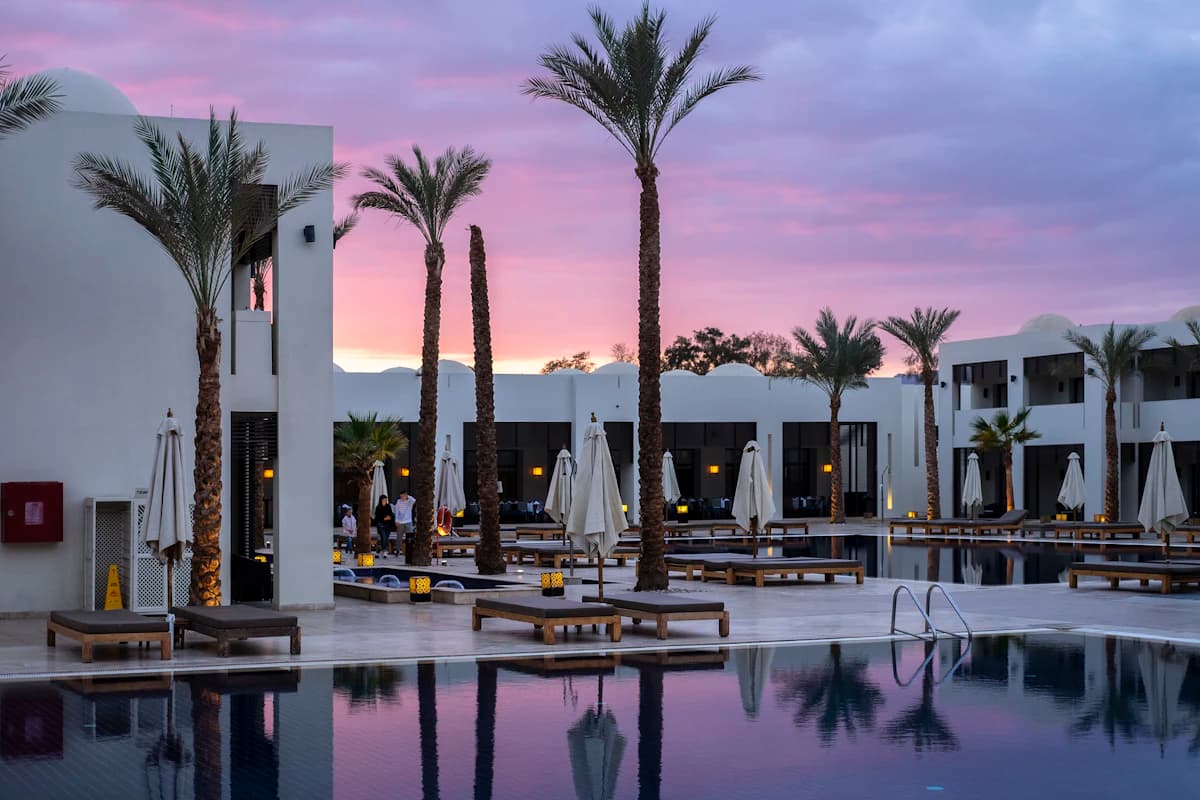
Hotel Casa Miramar sits on the hillside above El Tunco, providing elevation that translates into panoramic ocean views from every room and the spectacular infinity pool. The property is quieter than the beachfront options, appealing to surfers who prefer to save their energy for the waves rather than late-night revelry.
The architecture blends modern design with tropical open-air living, and the rooms are spacious with private balconies facing the ocean. The walk down to the beach takes about five minutes, and the hotel provides board storage and outdoor showers for returning surfers. The on-site restaurant serves excellent breakfasts -- a critical consideration for dawn patrol surfers who need fuel before first light.
Casa Miramar is particularly well-suited for couples who surf, as the property balances surf accessibility with a romantic atmosphere that most dedicated surf hotels lack. The sunset views from the pool terrace are among the best on the coast, and the relative quiet means restful sleep that supports early morning surf sessions.
Budget Options in El Tunco
El Tunco's hostel scene has matured significantly in recent years, offering budget-conscious surfers comfortable accommodation without the price tag of boutique hotels. Properties like Papaya Lodge and Mopelia Surf House provide dormitory beds and private rooms at a fraction of hotel rates, with communal kitchens, board rental partnerships, and the social atmosphere that backpacker surfers seek.
These budget properties typically sit within walking distance of the main break and the town's restaurants, meaning you can spend less on accommodation and more on extended stays, surf lessons, or day trips to nearby breaks. During the low season (November through February), rates drop further, and it is possible to live the surf lifestyle in El Tunco on a remarkably modest budget.
La Libertad and Punta Roca
Hotel Pacific Sunrise
La Libertad is the working fishing town that serves as the gateway to the coast's best waves, including the legendary Punta Roca. Hotel Pacific Sunrise positions guests within walking distance of Punta Roca and provides a more authentic Salvadoran experience than the tourist-oriented El Tunco. The hotel is simple but clean, with ocean-view rooms, a small pool, and a restaurant serving fresh seafood purchased directly from the fishing boats that land on the adjacent beach each morning.
Punta Roca itself is one of Central America's finest waves -- a long, fast right-hand point break that peels over a cobblestone bottom for up to 300 meters on the best swells. The wave demands respect and solid intermediate-to-advanced skills, but when it is firing, few waves in the region can match it. Staying in La Libertad puts you in position to surf Punta Roca at first light, before the wind turns onshore and the crowds build.
Surf House La Libertad
Several dedicated surf houses have opened in La Libertad, offering all-inclusive surf packages that combine accommodation, meals, daily surf guiding, and equipment. These properties cater specifically to surf travelers and typically operate with small group sizes (six to twelve guests), creating an intimate atmosphere where surf stoke is the shared currency.
Packages usually include daily transport to the best-performing break along the coast, which might be Punta Roca, La Paz, Conchalio, or El Sunzal depending on swell direction and wind conditions. Having local knowledge of which spot is working best on any given day is invaluable, and the guides at these surf houses have years of experience reading the coast's conditions.
El Sunzal and El Zonte
Hotel Cardedeu Coatepeque
While technically located at Lake Coatepeque rather than on the coast, Hotel Cardedeu deserves mention as an alternative base for surfers who want to combine lake relaxation with coastal surf sessions. The volcanic crater lake is stunningly beautiful, and the hotel's lakeside position provides a uniquely peaceful retreat after intense surf days. The drive from Coatepeque to El Sunzal takes about 45 minutes, making it feasible for surfers who do not mind a short commute in exchange for a dramatically different evening environment.
El Zonte Beach Houses
El Zonte, a few kilometers west of El Tunco, has emerged as the coast's most laid-back alternative to the El Tunco party scene. The village gained international attention as an early adopter of Bitcoin (the famous "Bitcoin Beach" project), but its appeal to surfers predates cryptocurrency by decades. The beach break at El Zonte is powerful and consistent, with less crowd pressure than the El Tunco and La Libertad breaks.
Accommodation in El Zonte ranges from simple cabanas on the beach to renovated houses available for weekly or monthly rental. The village has a small but growing restaurant scene, with several excellent spots serving fresh seafood and wood-fired pizza. The overall vibe is more bohemian and community-oriented than El Tunco, attracting surfers, yoga practitioners, and digital nomads who appreciate the slower pace.
Eastern Coast: Las Flores and Beyond
Las Flores Surf Resort
Las Flores Surf Resort, located in the eastern department of La Union, is the country's premier destination surf resort. The property sits directly above the Las Flores point break, a mechanical right-hander that produces long, perfectly shaped waves ideal for high-performance surfing. The wave breaks over a sandy bottom, making it more forgiving than the rock-bottom breaks further west, while still offering enough power and shape to satisfy expert surfers.
The resort features comfortable casitas spread across a hillside garden, a beachfront pool and bar, an excellent restaurant, and a full-service surf program including equipment rental, instruction, and guided tours to nearby breaks. The eastern coast receives the same swells as the La Libertad area but with significantly fewer surfers, meaning uncrowded sessions are the norm rather than the exception.
The journey from San Salvador to Las Flores takes approximately three to four hours by road, and the resort offers transfer services from the capital and the international airport. The relative remoteness is part of the appeal -- this is a destination for surfers who want to focus entirely on waves and relaxation without the distractions of a busy beach town.
Punta Mango
Further east from Las Flores, Punta Mango is one of El Salvador's most coveted waves -- a powerful, hollow right-hand point break accessible only by boat. Several operators in the Las Flores area run boat trips to Punta Mango when conditions align, and the wave's limited access keeps crowds to a minimum. Accommodation near Punta Mango is basic, but the wave itself is world-class, with barrel sections that rival anything in Central America.
Practical Information for Surf Travelers
Getting there: El Salvador's Monsenor Oscar Arnulfo Romero International Airport (SAL) receives direct flights from major US cities including Houston, Miami, Los Angeles, and Washington DC. From the airport, the La Libertad coast is about a 45-minute drive. Shuttle services and private transfers are readily available.
Board logistics: Most surf hotels rent boards, but bringing your own is straightforward. Airlines generally charge 50 to 100 USD each way for board bags. Board repair shops operate in El Tunco and La Libertad for ding fixes.
Safety considerations: El Salvador's reputation for violence has improved dramatically in recent years, and the surf coast is generally safe for tourists. Exercise normal precautions -- avoid flashing expensive equipment, do not surf alone at isolated breaks after dark, and use hotel safes for valuables. The surf community is tight-knit and generally welcoming to visitors who show respect for local lineups and customs.
Costs: El Salvador is one of the most affordable surf destinations in the Americas. Budget accommodation starts at 15 to 25 USD per night, mid-range hotels run 60 to 120 USD, and premium resorts like Las Flores charge 150 to 250 USD. Meals at local comedores cost 3 to 5 USD, and even upscale restaurants rarely exceed 25 USD per person. Board rental is typically 10 to 20 USD per day.
Health: No special vaccinations are required. Tap water quality varies -- stick to bottled water outside San Salvador. Reef cuts and sea urchin spines are the most common surf injuries; bring antiseptic cream and tweezers. Sun exposure is intense year-round; use reef-safe sunscreen and a rashguard.
Respect the lineup: Salvadoran surfers are generally friendly but protective of their home breaks. Show respect by waiting your turn, not snaking waves, and acknowledging locals in the water. A friendly "buenos dias" goes a long way.
Building Your El Salvador Surf Itinerary
A two-week itinerary might combine a week in the El Tunco and La Libertad area, surfing the variety of breaks between El Zonte and Punta Roca, with a week at Las Flores on the eastern coast for uncrowded point break perfection. Shorter trips of five to seven days work best centered on one area, with El Tunco being the most practical single base thanks to its range of nearby breaks and infrastructure.
El Salvador's surf scene continues to grow, with new hotels, restaurants, and surf schools opening each year. But the core appeal remains unchanged: consistent, warm-water waves breaking along a beautiful volcanic coastline, served up at prices that make extended surf trips genuinely accessible. For surfers tired of the crowds in Costa Rica or the prices in Mexico, El Salvador offers what might be Central America's best overall surf value.

About the Author
Hotels CA TeamEditorial Research Team
Hotels CA Team is the editorial desk behind these Central America hotel and travel guides. We research public property information, official sources, and traveler feedback. A hotel page is not a personal visit unless the article says so.