Best Surf Hotels in El Salvador: Your Complete Guide to Pacific Waves
Find the best surf hotels in El Salvador from El Tunco to Las Flores. Expert guide to waves, accommodation, and the Central American surf scene.
Table of Contents
El Salvador: Central America's Best-Kept Surf Secret
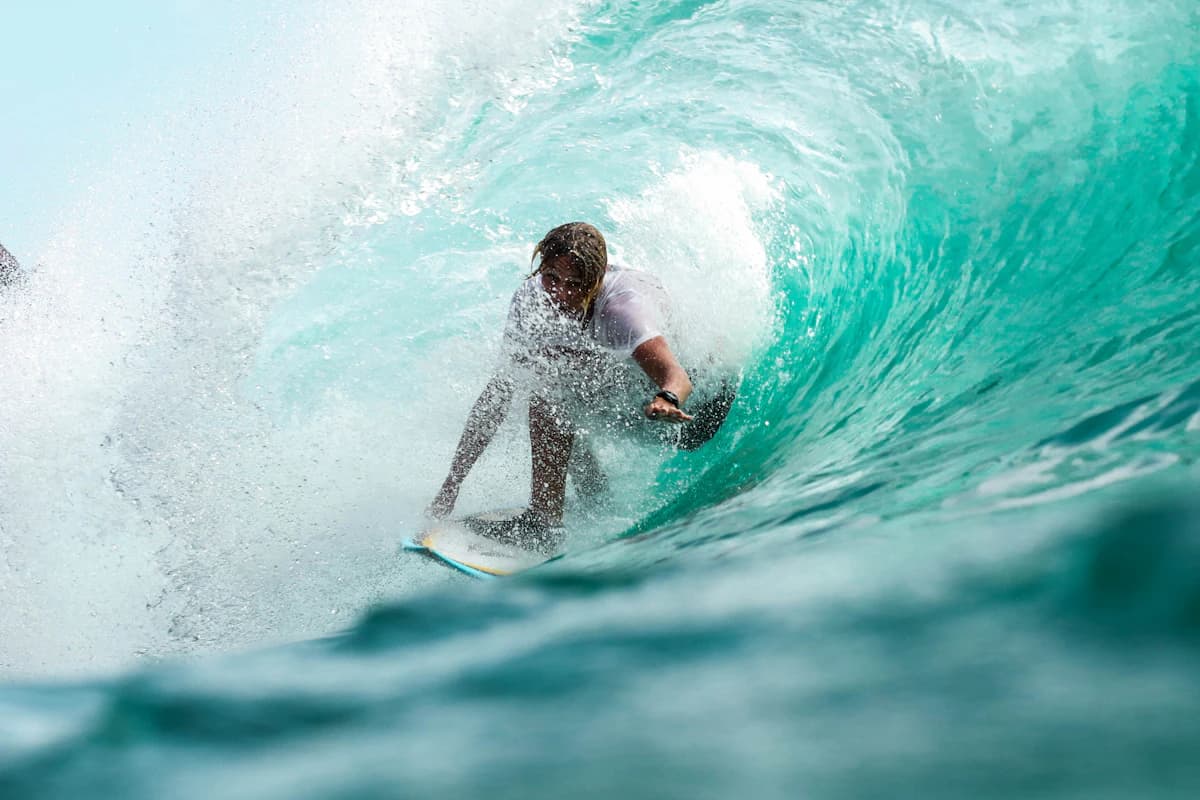
El Salvador has quietly become one of the best surf destinations in the Americas. While Costa Rica and Nicaragua have long dominated the Central American surf conversation, El Salvador's Pacific coast delivers world-class waves with a fraction of the crowds, a genuinely warm local culture, and prices that make even budget-conscious surfers smile.
The country's coastline stretches about 300 kilometers along the Pacific, and it receives consistent swells from the South Pacific that produce powerful, well-formed waves from March through October. The breaks range from beginner-friendly beach breaks to expert-level point breaks, and the water temperature hovers around 80°F year-round — no wetsuit required.
What truly sets El Salvador apart is the vibe. The surf scene here feels like what Costa Rica was 20 years ago: authentic, uncrowded, and driven by genuine passion for the ocean rather than commercial tourism machinery. The locals are welcoming, the seafood is incredible, and a cold Pilsener at sunset after a solid session is one of life's simple pleasures.
El Tunco: The Heart of Salvadoran Surf Culture
El Tunco is El Salvador's most popular surf town, and for good reason. Located about 40 minutes west of San Salvador along the La Libertad coast, this small beach village has evolved from a sleepy fishing hamlet into a vibrant hub for surfers, backpackers, and weekending Salvadorans. The main break at Playa El Tunco is a powerful right-hand reef break best suited to intermediate and advanced surfers, while nearby Playa El Sunzal — just a five-minute walk west — offers a more forgiving point break that works beautifully for all skill levels.
El Tunco's appeal extends beyond the waves. The village has an excellent collection of restaurants, bars, and surf shops packed into a few colorful blocks, and the nightlife on weekends is legendary by Central American standards. The annual surf competitions draw international talent, and the community of local surfers is genuinely welcoming to visitors.
Where to Stay in El Tunco
Hotel Casa Miramar El Tunco sits above the village with panoramic views of the Pacific and direct access to the beach. It is a mid-range option with a pool, restaurant, and a rooftop terrace that surfers use to check wave conditions before heading down to the break.
Hotel Costa Verde El Tunco is a charming beachfront property right at the center of the action. The location cannot be beaten — you can literally check the surf from your room. The hotel caters specifically to surfers and beach lovers, with board storage, rinse stations, and staff who know the local breaks intimately.
Hotel Tekuani Kal offers another excellent option in the El Tunco area, with a 4.2-star rating and modern facilities. The name comes from the Nahuatl word for jaguar, and the property blends contemporary design with natural elements that reflect El Salvador's pre-Columbian heritage.
The Breaks Near El Tunco
El Tunco and its immediate surroundings offer several distinct surf breaks:
- Playa El Tunco: A fast, powerful right-hand reef break that works best at mid to high tide with south-southwest swells. Intermediate to advanced. Can be heavy and shallow at low tide.
- El Sunzal: A long right-hand point break approximately 500 meters west. One of the most consistent waves in El Salvador, working on virtually any tide and swell direction. Great for all levels.
- La Bocana: A river-mouth break east of El Tunco that produces fun, punchy waves. Best at low to mid tide.
- El Zonte: About 15 minutes further west, a more mellow beach break popular with longboarders and beginners. The village of El Zonte has its own small surf community and several budget-friendly accommodations.
Las Flores: World-Class Waves, Boutique Luxury
If El Tunco is the heart of Salvadoran surf culture, Las Flores is its crown jewel. Located in the eastern department of La Unión, about four hours east of San Salvador, Punta Las Flores is widely regarded as one of the best right-hand point breaks in all of Central America. The wave peels perfectly along a rocky point, offering long, workable walls with barrel sections that have earned it comparisons to Pavones in Costa Rica and Chicama in Peru.
The remoteness of Las Flores is both its strength and its challenge. The journey from the capital is long, and the surrounding area is rural and undeveloped. But for dedicated surfers, the payoff is extraordinary: uncrowded perfection in warm water, with consistent swells from March through October.
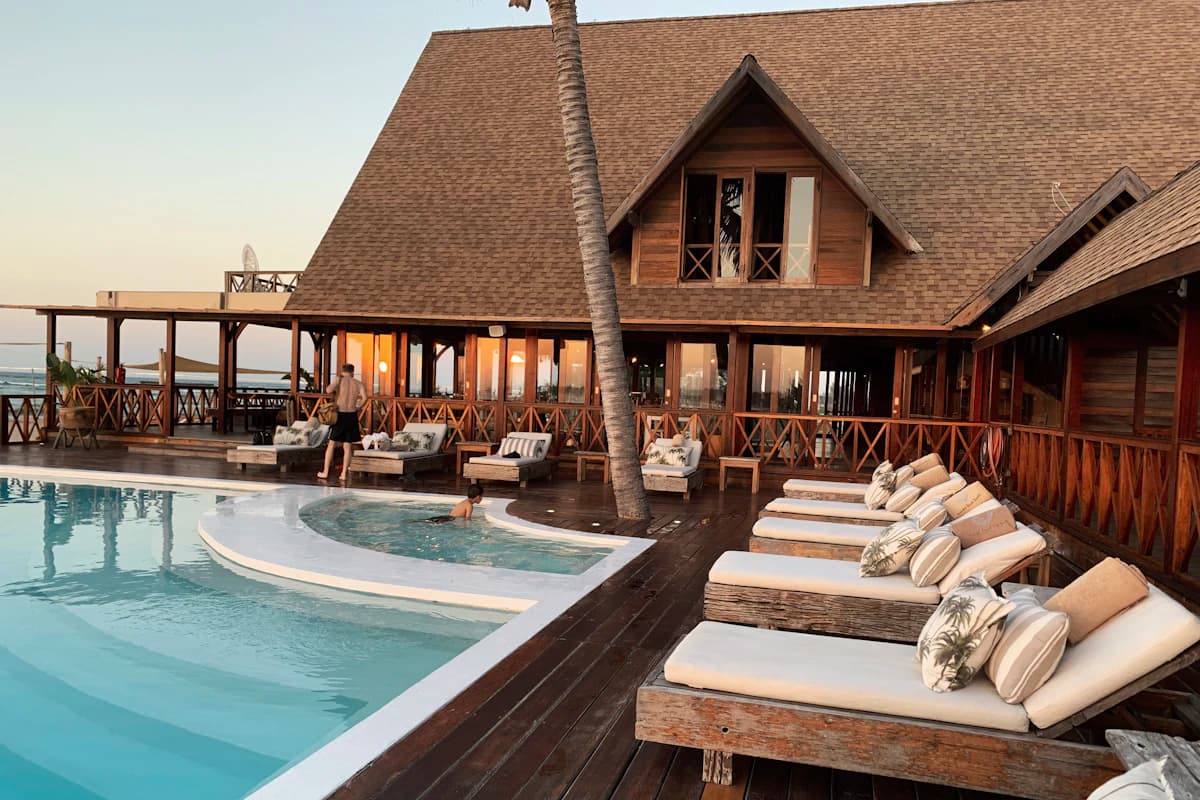
Las Flores Surf Club is the premier property at the break and one of the finest surf resorts in Central America. This luxury boutique hotel sits directly above the point break, and guests can watch sets rolling in from the infinity pool, the restaurant terrace, or their private balconies. The resort offers surf coaching, board rentals, boat trips to nearby breaks including the legendary Punta Mango, a full-service spa, and a gourmet restaurant that serves food far beyond what you would expect at a remote surf camp.
What makes Las Flores Surf Club special is the combination of world-class waves and genuine luxury. Most surf destinations force you to choose between wave quality and accommodation quality — you either stay at a great break in a basic surf shack or enjoy a beautiful hotel with mediocre waves. Las Flores delivers both.
Costa del Sol: Beginner-Friendly Beach Breaks
El Salvador's Costa del Sol, a long stretch of Pacific beach about an hour south of San Salvador, offers the most accessible surf experience in the country. The wide, sandy beach breaks here produce gentle, forgiving waves ideal for beginners and intermediate surfers. The area is also popular with Salvadoran families, so the infrastructure — restaurants, convenience stores, lifeguards — is more developed than at most surf spots.
Hotel Las Hojas Resort is the standout property on the Costa del Sol. This beachfront resort features pools, water sports facilities, and direct access to the beach break. It is an excellent option for families or groups where not everyone surfs — there is plenty to do beyond the waves, and the resort atmosphere is relaxed and inclusive.
When to Surf in El Salvador
El Salvador's surf season aligns with the Pacific swell patterns:
- Peak season (March–October): Consistent south and southwest swells produce the best waves. April through August is the sweet spot, with the largest and most consistent surf. This coincides with the rainy season, but morning sessions are typically dry, with rain arriving in the afternoon.
- Shoulder season (November–February): Swells become less consistent and generally smaller, but there are still surfable days — particularly at El Sunzal and El Tunco, which can pick up northwest wind swells. This is the dry season, so conditions are sunny and pleasant.
- Water temperature: 78–82°F year-round. Board shorts or a spring suit for dawn sessions is all you need.
Practical Tips for Surf Travelers
Getting There
El Salvador's main international airport (SAL) is in Comalapa, about 40 minutes from El Tunco and the La Libertad coast. Direct flights operate from major US cities including Houston, Miami, Los Angeles, and Washington DC. For detailed arrival tips, check our El Salvador airport arrival guide.
From the airport to El Tunco, expect to pay $25–$35 for a taxi or shuttle. For Las Flores on the eastern coast, the journey is significantly longer — most surfers fly into SAL, stay a night near the airport or in San Salvador, and travel east the following day.
Boards and Equipment
Bringing your own board is the best option, as rental quality varies. Most airlines charge $50–$100 each way for a board bag. If you prefer to travel light, El Tunco has several surf shops with decent rental boards (shortboards and longboards from $10–$20/day), and Las Flores Surf Club provides quality boards for guests.
Safety
El Salvador's reputation for violence, largely rooted in the gang crisis of the 2010s, has improved dramatically in recent years. The surf areas along the coast are generally safe and accustomed to international visitors. Standard travel precautions apply: don't flash expensive electronics, use hotel safes, and avoid isolated areas after dark. The surf community — both local and international — is friendly and helpful.
For a broader perspective on safety, see our guide to traveling safely in Central America.
Budget
El Salvador is one of the most affordable surf destinations in the Americas:
- Budget accommodation: $15–$40/night (hostels, basic surf camps)
- Mid-range hotels: $50–$120/night (Hotel Casa Miramar, Hotel Costa Verde)
- Luxury surf resorts: $200–$500+/night (Las Flores Surf Club)
- Meals: $3–$8 at local comedores; $10–$25 at tourist restaurants
- Surf lessons: $25–$40 for a 90-minute session
- Board rental: $10–$20/day
Learning to Surf
El Tunco and El Sunzal are the best areas for learning. Several schools operate along the beach with bilingual instructors. The warm water, sandy bottom at El Sunzal, and forgiving waves make it an ideal classroom. Most schools offer multi-day packages that include accommodation.
The Salvadoran Surf Community
One of the most rewarding aspects of surfing in El Salvador is the local community. Salvadoran surfers are proud of their waves and genuinely happy to share them with respectful visitors. Unlike some crowded surf destinations where localism can be aggressive, the vibe in the water here is generally relaxed and inclusive — provided you follow basic surf etiquette (don't drop in, wait your turn, respect the lineup).
Many local surfers have grown up on these waves and surf with a fluid, powerful style that reflects the quality of the breaks. Watching a local carve through a head-high wall at Sunzal or thread a barrel at Las Flores is worth the trip alone.
El Salvador's inclusion in international surf competition circuits, including ISA events and the Central American Games, has raised the country's profile and channeled investment into coastal infrastructure. The result is a destination that improves every year while retaining the authentic, uncrowded character that makes it special.
Final Thoughts
El Salvador deserves its place among the world's great surf destinations. The waves are world-class, the water is warm, the people are welcoming, and the cost of a surf trip here is a fraction of what you would spend in Costa Rica, Hawaii, or Indonesia. Whether you are a beginner looking for gentle beach breaks on the Costa del Sol, an intermediate surfer honing your skills at El Sunzal, or an advanced charger seeking perfection at Las Flores, El Salvador has a wave — and a hotel — for you.
For more surf destinations across the region, check our guide to the best surf camps in Central America and our detailed breakdown of El Tunco surf hotels.
FAQ
What is the best time to surf in El Salvador?
The peak surf season runs from March through October, with April to August offering the largest and most consistent swells. The water is warm year-round at 78–82°F, so no wetsuit is needed.
Is El Salvador safe for surf travelers?
Yes. The coastal surf areas are generally safe and well-accustomed to international visitors. Safety has improved significantly in recent years. Standard travel precautions apply — use hotel safes, avoid isolated areas at night, and travel with common sense.
Can beginners surf in El Salvador?
Absolutely. El Sunzal near El Tunco offers one of the best learning environments in Central America with its consistent, forgiving point break over a sandy bottom. Several surf schools operate in the area with bilingual instructors.
How do I get from the airport to El Tunco?
El Salvador's international airport (SAL) is about 40 minutes from El Tunco by car. Taxis and shuttle services cost $25–$35. Many hotels can arrange airport transfers in advance.

About the Author
Hotels CA TeamEditorial Research Team
Hotels CA Team is the editorial desk behind these Central America hotel and travel guides. We research public property information, official sources, and traveler feedback. A hotel page is not a personal visit unless the article says so.