Best Time to Visit Panama: Weather, Festivals & Seasonal Guide
Find out when to visit Panama for the best weather, lowest prices, and top experiences from the canal to Bocas del Toro.
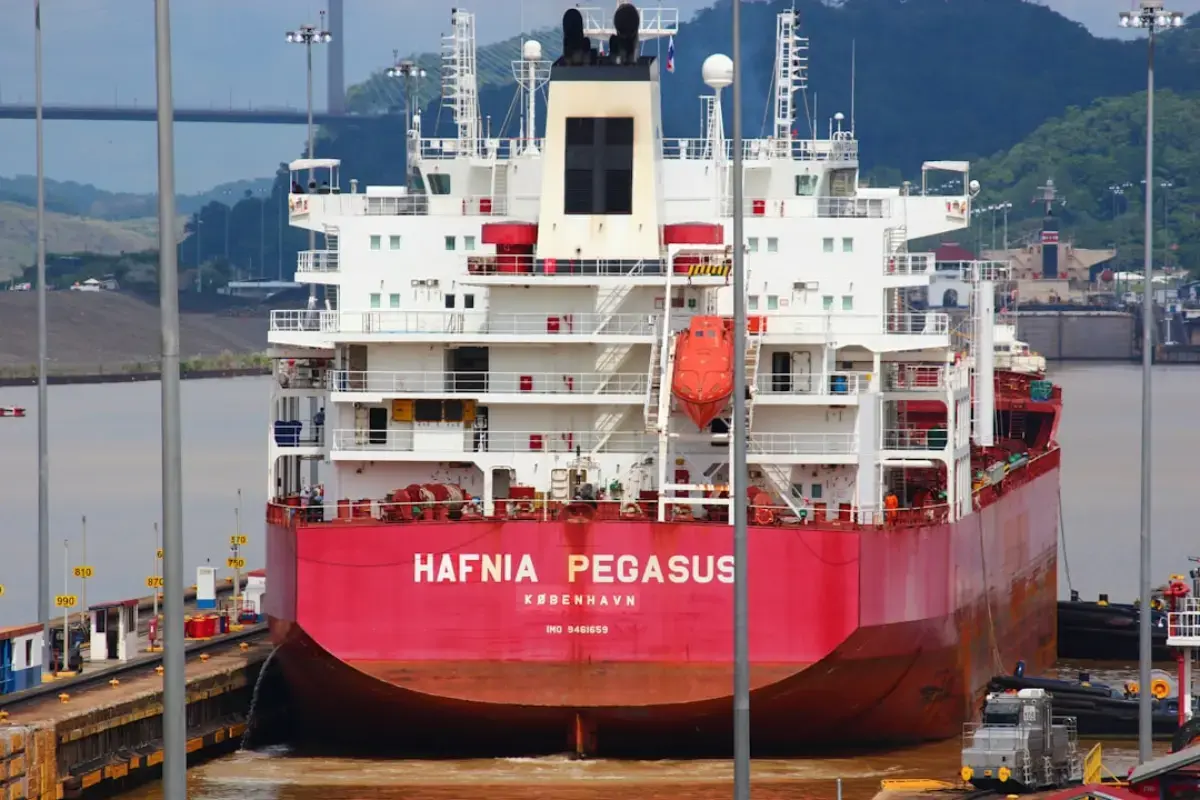
Table of Contents
Planning Your Panama Trip Around the Seasons
Panama sits at the narrow bridge between Central and South America, a position that gives it one of the most varied climates in the region. The country stretches from the Caribbean Sea to the Pacific Ocean across just 80 kilometers at its thinnest point, yet the weather on each coast can be dramatically different on any given day. Add in highland cloud forests that hover above 1,800 meters and you have a country where understanding seasonal patterns is essential for a well-planned trip.
Like most of Central America, Panama divides its year into two seasons: the dry season (verano) from roughly January through April, and the rainy season (invierno) from May through December. But Panama's position closer to the equator means its seasons are less extreme than those of its northern neighbors, and the temperature remains warm year-round at lower elevations. What changes is rainfall, and that variation shapes everything from road conditions and hotel pricing to wildlife activity and festival schedules.
Dry Season (January to April)
The dry season is Panama's peak tourism period and the time when the country puts its best face forward for visitors. The Pacific coast, Panama City, and the interior provinces enjoy consistently clear skies, with rainfall dropping to near zero in many areas during February and March. Temperatures in Panama City range from 24 to 34 degrees Celsius, with moderate humidity that feels less oppressive than the steamier months to come.
January is one of the best months to visit overall. Holiday crowds from Christmas and New Year thin out by the second week, the weather is excellent across most of the country, and hotel prices settle into their standard high-season range without the extreme surcharges of the holidays. The Panama Canal is best viewed under clear skies, and January delivers those reliably.
February is widely considered the ideal month to visit Panama. Rain is at its annual minimum on the Pacific side, humidity is lower than usual, and the country is gearing up for its biggest celebration of the year. The Azuero Peninsula's small towns begin their pre-Carnival festivities, offering a preview of the color and energy to come. Water visibility for diving and snorkeling in the Pearl Islands and along the Pacific coast reaches its peak.
March continues the dry trend, though temperatures start to climb. This is an excellent month for hiking in the highlands around Boquete and El Valle de Anton, where the cooler mountain air provides relief from the lowland heat. The coffee harvest in Chiriqui province wraps up in March, and visitors to Boquete can still catch the tail end of the season at working fincas.
April is the warmest month and the final stretch of dry season. Semana Santa (Easter week) brings the highest domestic travel activity, with Panamanian families heading to the beaches of the Azuero Peninsula, Bocas del Toro, and the Pacific Islands. Expect fully booked hotels and higher prices during this week. The first rains may appear by late April, especially in the afternoon.
Rainy Season (May to December)
The rainy season in Panama is not the travel deterrent it might sound like. Mornings are almost always clear and sunny, even during the wettest months, and rain tends to arrive in powerful but brief afternoon thunderstorms. Many travelers find the rainy season appealing because prices drop, crowds disappear, and the landscape turns a vivid, saturated green.
May and June mark the transition into the rainy season. Showers become more frequent on the Pacific side, typically starting around 2 or 3 p.m. The highlands around Boquete receive more mist and cloud cover but remain pleasantly cool. These months offer good value, with hotel rates dropping 20 to 30 percent from their dry season peaks.
July and August see a brief dry spell on the Pacific coast known as the veranillo, a pattern similar to what occurs in Costa Rica and other Central American countries. This one to three week break from the rains, usually in late July or early August, brings drier conditions and a bump in tourism as North American and European visitors arrive during their summer vacations. It is not guaranteed every year but happens frequently enough to make July an attractive option for budget-minded travelers.
September and October are the wettest months of the year. The Pacific side receives heavy daily rains, and some remote areas may experience flooding. However, the Caribbean coast around Bocas del Toro often has drier conditions during this period, making it a viable destination when the Pacific side is at its soggiest. Hotel prices hit their annual low, and visitor numbers at major attractions like the Panama Canal and Casco Viejo are at a minimum.
November and December see the rains begin to taper. November is still quite wet, especially in the first half, but by late November conditions improve noticeably. December brings a mix of late-season showers and the first real stretches of dry weather. The Christmas holiday period drives prices up significantly in the final two weeks of the month, particularly at beach resorts and in Panama City.
Regional Weather Differences
Panama City and the Canal Zone
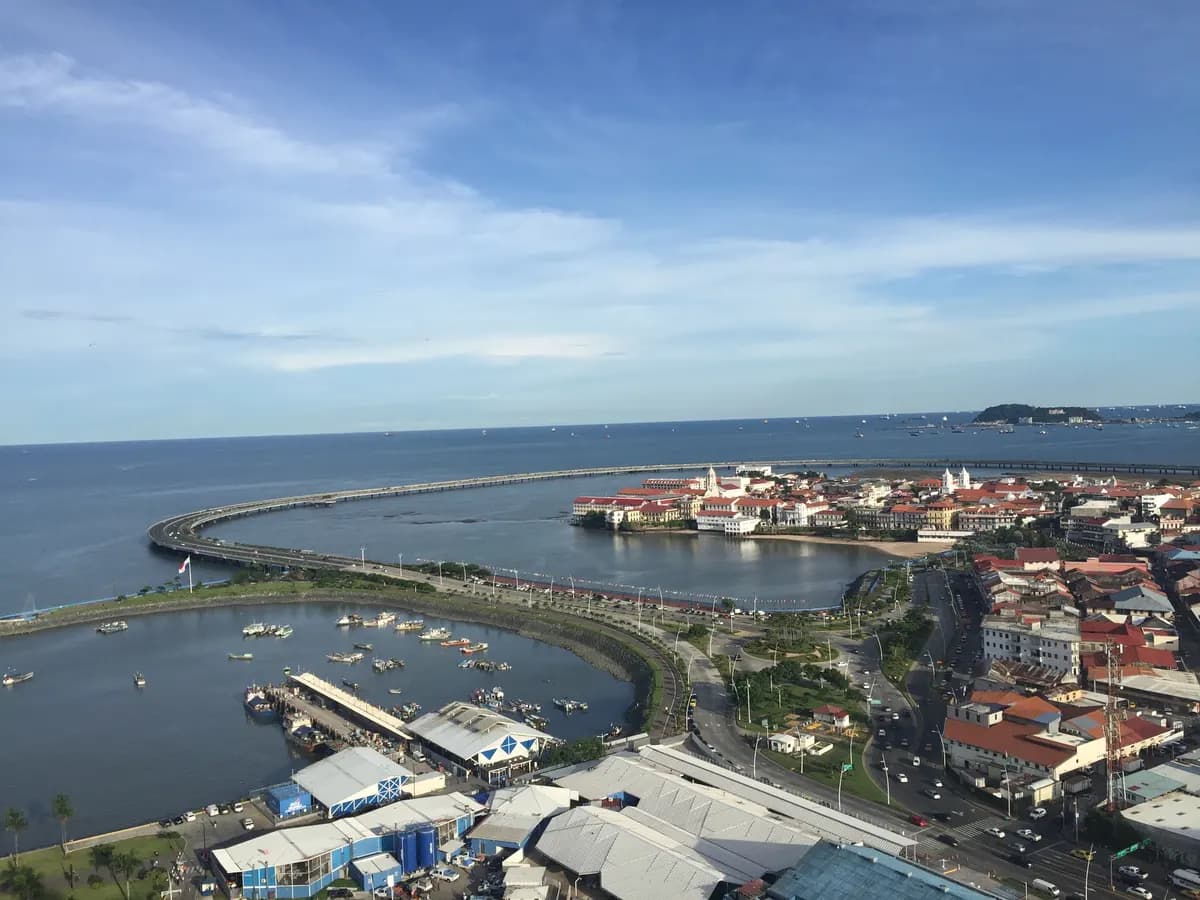
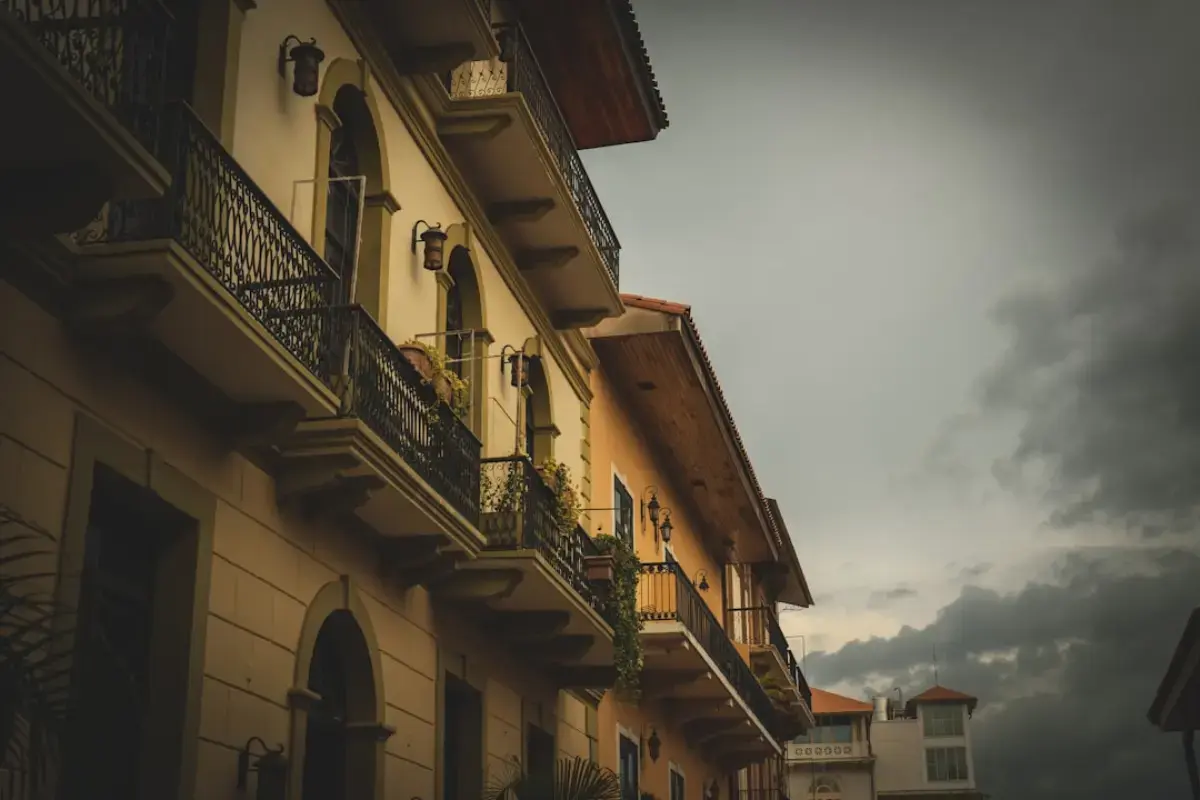
Panama City has a tropical climate with year-round warmth and humidity. The dry season from January to April offers the most comfortable conditions for exploring the capital's colonial quarter of Casco Viejo, visiting the canal locks at Miraflores, and walking the Cinta Costera. During the rainy season, morning sightseeing followed by afternoon retreats to air-conditioned museums or rooftop bars is the standard approach.
Bocas del Toro (Caribbean Coast)
Bocas del Toro follows a different rainfall pattern than the Pacific side. The driest months are typically September and October -- exactly when the Pacific coast is at its wettest. February and March also tend to be relatively dry on the Caribbean side. Rain can fall at any time of year in Bocas, but the island vibe and warm Caribbean waters make it enjoyable regardless of conditions. Water temperatures remain between 27 and 29 degrees Celsius year-round.
Boquete and the Chiriqui Highlands
The highland town of Boquete sits at about 1,200 meters elevation and enjoys noticeably cooler temperatures than the lowlands, typically between 15 and 25 degrees Celsius. The dry season from January to April is best for hiking Volcan Baru (Panama's highest peak at 3,475 meters), with clear nights essential for the famous sunrise views from the summit. Cloud forests above Boquete are misty and atmospheric year-round, but the driest months offer the best visibility. Coffee harvest season runs from November to March, making this period ideal for visitors interested in Panama's world-renowned Geisha coffee.
The Azuero Peninsula
The Azuero Peninsula in central Panama has the driest climate in the country and is the heart of Panama's traditional culture. Dry season here means almost zero rainfall from January to April, making it the most reliable destination for sun seekers. The peninsula is home to Panama's most authentic Carnival celebrations in the towns of Las Tablas and Chitre.
San Blas Islands (Guna Yala)
The indigenous Guna Yala comarca (territory) comprising the San Blas Islands is best visited from January to April when seas are calmer and visibility is better for snorkeling among the coral islands. The rainy season can bring rough seas that make boat transport uncomfortable or unsafe. Access is controlled by the Guna people, and some islands close during particularly bad weather.
The Darien
The Darien, Panama's wildest and most remote region, is best explored during the dry season from January to April when trails are more passable and river levels are lower. Rainy season travel in the Darien requires serious preparation and experienced guides, as flooding can make roads and trails impassable.
Carnival and Major Festivals
Carnival (February or March) is Panama's biggest party and one of the most vibrant in all of Latin America. The four days leading up to Ash Wednesday explode with parades, live music, water trucks, and dancing in the streets. Las Tablas on the Azuero Peninsula hosts the most famous celebration, where two rival queens (Calle Arriba and Calle Abajo) compete with increasingly elaborate floats and costumes. Panama City holds its own large celebrations along the Cinta Costera. Book accommodation months in advance for Carnival -- prices double or triple and availability vanishes quickly.
Jazz Festival (January) in Panama City brings world-class musicians to venues across the capital and is free to attend. The festival typically runs for a week in mid to late January and draws music lovers from throughout the Americas.
Festival de la Mejorana (September) in Guarare on the Azuero Peninsula is Panama's most important folk festival, celebrating traditional music, dance, and artisanal crafts. It is an excellent opportunity to experience authentic Panamanian rural culture.
Independence celebrations (November 3, 4, 5, 10, and 28) make November a month of patriotic festivities. Multiple independence days commemorate separation from Colombia, the flag, and other historical events. Parades and civic celebrations are held nationwide.
Budget Tips by Season
Best value (May, June, September, October): Hotels drop rates by 25 to 40 percent. Domestic flights are cheaper and more available. Restaurants in tourist areas may offer rainy-season specials. The Panama Canal visitor center is far less crowded, making for a better experience.
Moderate (July, August, November, early December): The veranillo in July and August brings slightly higher prices than the surrounding months but still well below peak season. November can offer surprising value if you avoid the independence celebration weekends.
Peak pricing (January to April, Christmas week): Expect the highest rates everywhere, especially at beach resorts, island accommodations, and Panama City hotels. Carnival week commands premium pricing on the Azuero Peninsula. Book early for the best selection and rates.
Saving strategies:
- Panama City has excellent public transit including the Metro and MetroBus, making taxis and rideshares less necessary
- Eat at fondas (local eateries) for meals under $4 to $6 USD
- Domestic flights with Copa Airlines connect major destinations affordably if booked in advance
- Consider the Azuero Peninsula for beach vacations -- less developed and more affordable than Bocas del Toro
- Many Panama City museums offer free or discounted admission on certain days
Frequently Asked Questions
What is the best month to visit the Panama Canal?
The Panama Canal operates year-round and can be visited in any month. For the most comfortable experience, January and February offer clear skies, moderate humidity, and excellent visibility for watching ships transit the locks. The Miraflores Visitor Center is least crowded during the rainy season months of September and October, which can actually make for a more enjoyable visit if you time your trip for the morning before the rain starts. The canal itself is fascinating in any weather, and the covered viewing platforms provide shelter during showers.
Is Bocas del Toro worth visiting during the rainy season?
Bocas del Toro can be visited year-round, and its Caribbean climate means rain is possible in any month. September and October are actually among the driest months on the Caribbean coast, making them a good time to visit while the Pacific side is at its wettest. Even during wetter months, Bocas del Toro's charm lies in its laid-back island atmosphere, warm water, and excellent seafood, all of which are available rain or shine. Water sports like surfing, snorkeling, and kayaking continue year-round.
How long does Carnival last, and is it worth planning a trip around?
Panama's Carnival celebrations last four days, from Saturday through Tuesday before Ash Wednesday. The experience is absolutely worth planning around if you enjoy lively cultural festivals. Las Tablas offers the most traditional and intense celebration, while Panama City provides a larger, more modern party atmosphere. Be aware that the entire country essentially shuts down for Carnival, with many businesses closing and transportation services running on limited schedules. Book accommodation at least three to four months in advance, and expect prices to be significantly higher than normal.
What is the best time to hike Volcan Baru?
The best time to hike Panama's highest peak is during the dry season from January to March, when you have the best chance of clear skies at the summit. The famous sunrise view from the top, where you can see both the Pacific and Caribbean oceans simultaneously, requires cloud-free conditions that are most likely during these months. Start the hike around midnight to reach the summit before dawn. Even during the dry season, the summit can be cold (near freezing) and windy, so bring warm layers. Rainy season hikes are possible but often result in cloud-obscured views.
Conclusion
Panama's position as the southernmost country in Central America gives it a warm, tropical climate that welcomes visitors in any month. The dry season from January to April is the conventional choice, delivering reliable sunshine across most of the country and the best conditions for hiking, island hopping, and canal sightseeing. The rainy season from May to December appeals to travelers seeking lower prices, fewer crowds, and the experience of seeing Panama's jungles and highlands at their most lush. The Caribbean coast's contrarian weather pattern means you can nearly always find dry conditions somewhere in the country. Whether you time your visit around Carnival, coffee season, or simply the best deal on a beachfront cabana, Panama delivers a rich and rewarding experience throughout the year.

About the Author
Hotels CA TeamEditorial Research Team
Hotels CA Team is the editorial desk behind these Central America hotel and travel guides. We research public property information, official sources, and traveler feedback. A hotel page is not a personal visit unless the article says so.