Panama Travel Budget Guide: Costs, Tips & How to Save Money
Complete guide to Panama travel costs from Panama City to Bocas del Toro. Daily budgets, transport costs, and insider money-saving tips.
Table of Contents
Panama City prices vs the rest of the country
Panama occupies a unique position among Central American destinations. Its economy is the strongest in the region, Panama City boasts a Miami-like skyline of glass towers, and yet much of the country remains rural, affordable, and off the beaten path. The biggest advantage for American travelers is that Panama uses the US dollar (called the balboa locally, but it is the same currency), eliminating exchange rate headaches and hidden conversion fees.
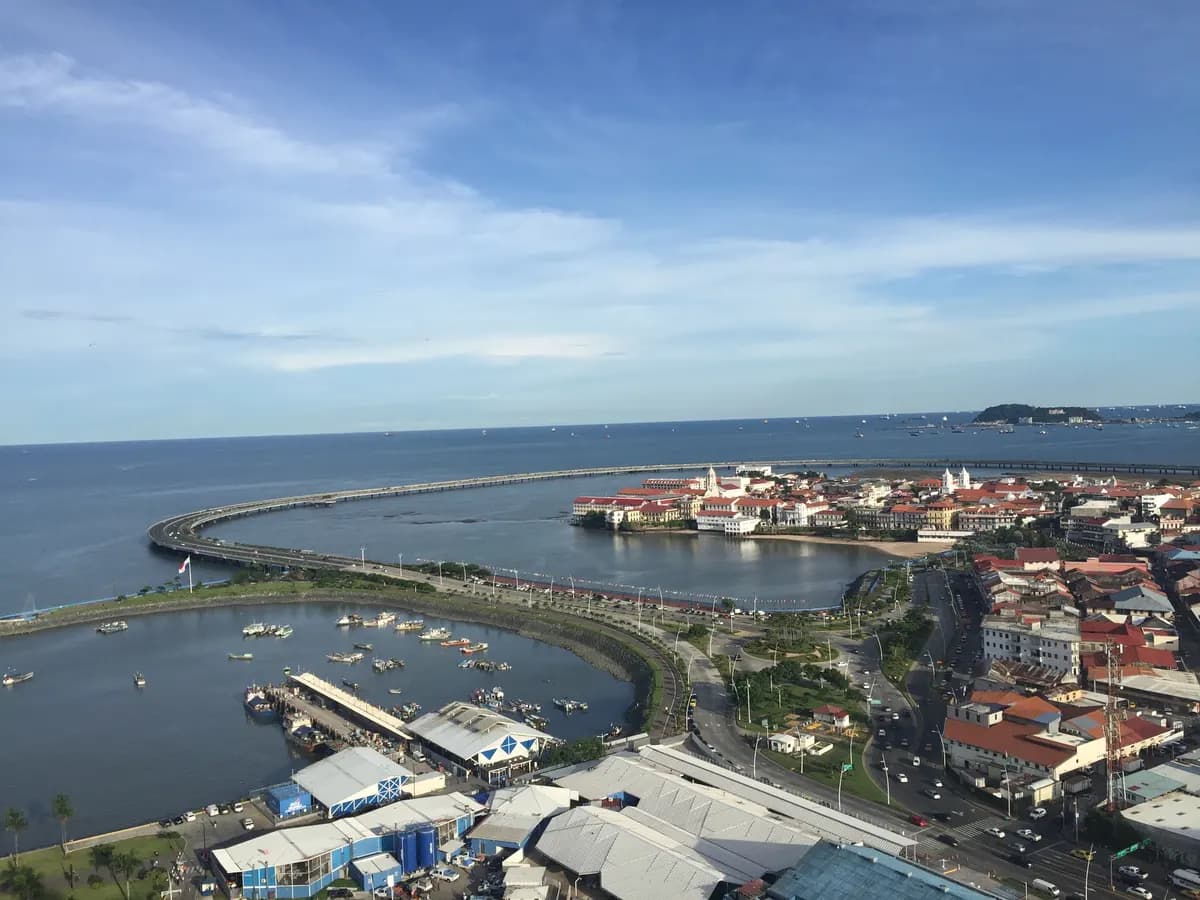
Panama is a country of contrasts when it comes to costs. Panama City can feel surprisingly expensive with its international restaurants, modern hotels, and Uber rides through traffic. But step outside the capital to Boquete, Bocas del Toro, or the Azuero Peninsula, and prices drop dramatically. This guide covers what things really cost across the country so you can plan a Panama trip that matches your budget.
The US Dollar Advantage
One of the most practical benefits of visiting Panama is that you never need to exchange money if you are coming from the United States. ATMs dispense US dollars. Shops, restaurants, and hotels all price in dollars. Coins may look different (Panama mints its own coins at the same size and value as US quarters, dimes, and nickels), but they are interchangeable with American coins. This eliminates the 2-5% foreign transaction fees and poor exchange rates that eat into your budget in other countries.
For travelers from Europe, Canada, or elsewhere, this means you only need to exchange once into US dollars, and you can do that before your trip or at ATMs in Panama.
Average Daily Budget Breakdown
| Category | Budget ($35-55/day) | Mid-Range ($70-130/day) | Luxury ($200-450+/day) |
|---|---|---|---|
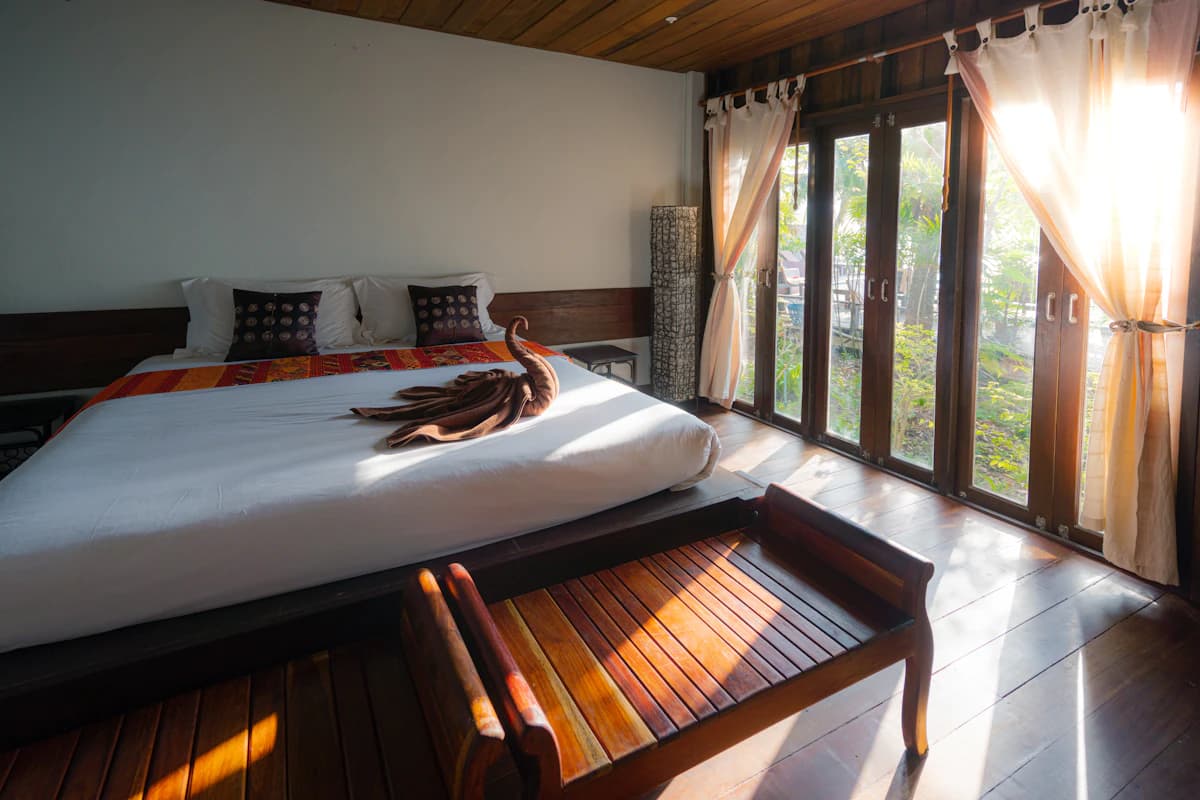
| Accommodation | $10-20 (hostels, basic hotels) | $40-80 (boutique hotels, good Airbnb) | $120-300 (luxury hotels, resorts) |
| Food | $8-15 (fondas, street food) | $20-35 (restaurants, cafes) | $50-100 (fine dining, hotel dining) |
| Transport | $3-8 (metro, buses) | $10-25 (taxis, Uber, domestic buses) | $30-80 (domestic flights, private transfers) |
| Activities | $5-10 (free sites, beaches) | $15-30 (Canal, tours) | $40-120 (private tours, island trips) |
| Miscellaneous | $2-5 | $5-10 | $10-30 |
Panama City skews toward the higher end of these ranges, while provinces like Chiriqui, Herrera, and Bocas del Toro lean toward the lower end.
Accommodation Costs
Panama City
Panama City has accommodation for every budget, though it is the most expensive area in the country. In the Casco Viejo historic district, boutique hotels range from $60-180 per night. Hostels in Casco Viejo and the El Cangrejo neighborhood offer dorms for $12-22 per night. In the modern banking district, international chain hotels cost $80-200 per night, while apartment-style Airbnbs in areas like Obarrio and San Francisco run $40-80 per night.
Bocas del Toro
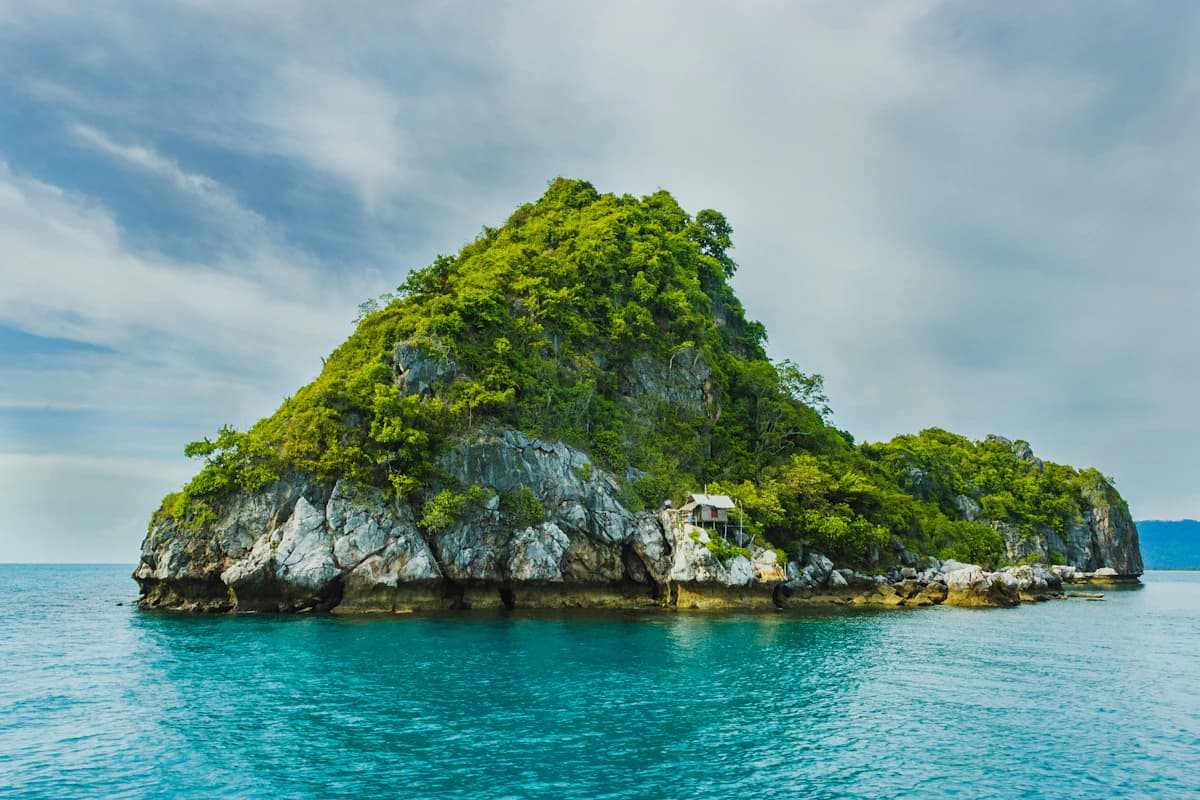
The Caribbean archipelago is popular with backpackers and mid-range travelers alike. Hostel dorms on Isla Colon cost $10-18 per night. Overwater bungalows, a signature Bocas experience, range from $50-150 per night at mid-range spots and $150-350 at upscale properties like the Red Frog Beach Resort. On the less developed islands like Isla Bastimentos, simple cabins start at $25-40.
Boquete and the Chiriqui Highlands
This mountain town offers excellent value. Comfortable hotels and B&Bs with volcano views cost $40-80 per night. Budget hostels run $10-18 for dorms. The luxury Finca Lerida coffee estate hotel charges $120-200 per night. Boquete is a favorite among retirees and longer-term visitors, so monthly rental deals are also available.
San Blas Islands (Guna Yala)
Visiting the San Blas Islands is a unique budget consideration. Most visits are organized as all-inclusive packages (transport from Panama City, boat transfers, meals, and basic island cabins) costing $150-250 per person for a 2-night stay. There are no luxury hotels here; accommodations are rustic island cabins run by the Guna indigenous community. Independent budget travelers can occasionally arrange their own transport and pay $40-60 per night for a cabin with meals.
Beach Areas (Playa Blanca, Pedasi, Santa Catalina)
Pacific coast beach towns offer affordable getaways. In Pedasi, small hotels cost $30-60 per night. Santa Catalina, the surf capital, has hostels for $10-15 and mid-range hotels for $40-70. All-inclusive beach resorts near Playa Blanca run $100-200 per night.
Food and Drink Costs
Fondas and Local Eateries
Fondas are Panama's version of the local lunch counter. A full plate of rice, beans, meat, salad, and a drink (called a menu del dia or comida corriente) costs $3-5 at a fonda. In Panama City's working-class neighborhoods and throughout the provinces, this is the most common and cheapest way to eat. Breakfast at a fonda runs $2-4.
Restaurants in Panama City
Eating out in Panama City is diverse. In Casco Viejo and the banking district, a main course at a mid-range restaurant costs $12-22. Asian, Peruvian, Italian, and other international cuisines are well represented. A cocktail at a rooftop bar in the city runs $8-14, while a local Balboa or Atlas beer costs $2-4 at a normal bar and $4-7 at upscale venues.
Food Outside the Capital
Restaurant prices in Boquete, Bocas del Toro, and beach towns are lower than the capital. Main courses at sit-down restaurants cost $8-15. In Bocas, beachfront seafood restaurants serve fresh catches for $10-18. In small towns across the interior, restaurant meals cost $5-10.
Groceries
Supermarkets in Panama (El Rey, Super 99, Riba Smith) are well stocked. A week of self-catering groceries runs $35-55 per person. Fresh fruit, vegetables, and local products are inexpensive. Imported goods and alcohol carry higher prices due to import taxes.
Transportation Costs
Panama City Metro
Panama City's metro system is modern, air-conditioned, and remarkably cheap at $0.35 per ride. It is the only metro system in Central America and covers much of the city. Combined with the Metrobus system ($0.25 per ride), public transit within Panama City is excellent and costs almost nothing.
Intercity Buses
Panama's bus network connects the country efficiently. The main terminal in Albrook handles routes to all provinces:
- Panama City to David (for Boquete): $15-20, 6-7 hours
- Panama City to Bocas del Toro (via David): $28-35 total, 10-12 hours
- Panama City to Pedasi: $10-12, 5 hours
- Panama City to Santiago: $9-11, 3.5 hours
Express buses are air-conditioned coaches. Regular buses cost a few dollars less.
Domestic Flights
Air Panama connects Panama City to Bocas del Toro, David, the San Blas area, and other destinations. One-way flights to Bocas del Toro cost $80-130 and save 10+ hours of overland travel. Flights to David cost $70-110 one way.
Taxis and Uber
Yellow taxis in Panama City do not use meters. Rides within the city cost $2-6 for most trips. Always negotiate before entering. Uber operates in Panama City and is often slightly cheaper than taxis with the advantage of upfront pricing. A ride from the airport to Casco Viejo costs approximately $15-25 by Uber.
Panama Canal Visit Costs
Visiting the Panama Canal is the top attraction and there are several options:
- Miraflores Locks Visitor Center: $20 for adults, $10 for children. Includes observation deck, museum, and film.
- Agua Clara Visitor Center (Atlantic side): $15 for adults. Located near Colon, less crowded.
- Partial canal transit tour: $150-185 per person for a 4-5 hour boat ride through part of the canal and under the Bridge of the Americas.
- Full canal transit: $200-280 per person for the complete 8-hour passage from Pacific to Atlantic. These run only a few times per month.
Other Activity Costs
- Casco Viejo walking tour: $10-25 (or free with tips-based tours)
- Embera indigenous village visit: $80-120 including boat transport and lunch
- Boquete coffee farm tour: $25-40
- Bocas del Toro island-hopping boat tour: $25-35 per person
- Scuba diving in Bocas: $60-90 for two tanks
- Surfing lessons in Santa Catalina: $30-50
- Boquete zip-line canopy tour: $50-70
- Biomuseo (Frank Gehry museum): $22 for adults
- Soberania National Park Pipeline Road birding: $5 park entrance; guided birding tours $50-100
Money-Saving Tips
- Use the metro and Metrobus. At $0.35 and $0.25 respectively, Panama City's public transit is the cheapest in Central America and covers most areas tourists visit.
- Eat at fondas. Full lunches for $3-5 keep food costs minimal. Locate them by looking for the handwritten menu boards outside small storefronts.
- Visit the Canal at Miraflores, not by boat. The $20 visitor center fee gives you a great view of ships passing through the locks without the $150+ boat tour cost.
- Travel overland to Bocas del Toro. The overnight bus from Panama City to Almirante (the Bocas ferry terminal) costs $28-35 versus $100+ for a flight. You save a night of accommodation too.
- Avoid Casco Viejo restaurants for every meal. Walk a few blocks outside the tourist core to find fondas and local spots at half the price.
- Take advantage of the dollar. Since Panama uses USD, you avoid exchange fees, ATM surcharges for currency conversion, and unfavorable rates that eat into budgets in other countries.
- Stay in El Cangrejo or Via Argentina. These Panama City neighborhoods have hostels, restaurants, and nightlife at lower prices than Casco Viejo, with easy metro access.
- Combine San Blas with a sailing trip. Several operators offer 3-4 day sailboat trips from Panama to Cartagena (Colombia) via San Blas for $450-550, combining transport to your next destination with a San Blas experience.
Conclusion
Panama offers a wide range of travel experiences and price points. The US dollar currency eliminates exchange hassles, and the country's modern infrastructure makes getting around efficient. Budget travelers can manage on $35-55 per day by using public transit, eating at fondas, and staying in hostels. Mid-range travelers spending $70-130 per day will enjoy boutique hotels, good restaurants, and activities like canal visits and island tours. Luxury travelers have access to world-class hotels, private tours, and exclusive island experiences at $200-450 per day. The key to saving money in Panama is balancing time between the more expensive capital and the affordable provinces where your dollars stretch much further.
Frequently Asked Questions
Do I need to bring cash or can I use cards everywhere in Panama?
Credit and debit cards are widely accepted in Panama City, at hotels, and in tourist areas. However, cash is essential for fondas, local buses, taxis, market purchases, and in rural areas and small towns. ATMs are plentiful in cities and most towns. Since Panama uses US dollars, American travelers do not need to worry about exchange rates or foreign transaction fees (though your bank may still charge ATM withdrawal fees).
How much does a San Blas Islands trip cost?
Most organized San Blas trips cost $150-250 per person for a 2-night, 3-day package including 4x4 transport from Panama City, boat transfers between islands, accommodations in basic island cabins, and all meals. These trips are run through the Guna community or authorized tour operators. More luxurious sailing experiences through the islands cost $400-600 for multi-day trips.
Is Panama City expensive compared to other Central American capitals?
Yes, Panama City is one of the more expensive cities in Central America, comparable to San Jose (Costa Rica) for dining and accommodation. However, public transport is far cheaper (the metro costs only $0.35), and local food at fondas is very affordable. The city offers a wider range of price points than most Central American capitals, from $12 hostels to $300 luxury hotels within the same district.
What is the cheapest way to get from Panama City to Bocas del Toro?
The cheapest option is the overnight bus from Albrook Terminal to Almirante ($28-30), followed by the water taxi from Almirante to Bocas Town ($6). Total cost is approximately $34-36 and takes around 11 hours including the ferry. Flying with Air Panama costs $80-130 one way but takes just one hour. The bus saves money and a night of accommodation if you can sleep on the ride.

About the Author
Hotels CA TeamEditorial Research Team
Hotels CA Team is the editorial desk behind these Central America hotel and travel guides. We research public property information, official sources, and traveler feedback. A hotel page is not a personal visit unless the article says so.